
A city weekend can move from a long walk to lunch, an indoor stop, and an evening plan without much warning. Packing for every possibility usually means bringing pieces that do only one job. Instead, choose a small group of clothes that can shift through the day: a close-fitting base, a practical layer, and a dress or other piece that gives you a different proportion. The aim is not to predict every stop. It is to make a few combinations feel intentional, comfortable, and easy to adjust when the schedule changes.
Start With the Shape of Your Days
Before choosing clothes, sketch the weekend in broad strokes. Note when you expect to be outside for a while, when you may sit indoors, and whether you have a planned dinner or other occasion that calls for a change. You do not need a separate outfit for each stop. Think instead about what can stay on all day and what can be added or swapped to change the feel.
For a walking-heavy day, a streamlined top and easy-moving layer make a useful starting point. A dress can cover a different part of the plan without requiring a complete second outfit. Consider whether your itinerary includes temperature changes between streets and indoor spaces; one lightweight layer can help bridge them. Check the forecast close to departure, then pack for the conditions you are actually expecting rather than a string of unlikely scenarios.
Keep the plan flexible: choose pieces that work together in more than one combination. That gives you room to respond to a longer lunch or an unexpected change of plans without adding a backup outfit for each possibility.
Use Proportion to Make a Small Edit Feel Varied
When a short packing list starts to feel repetitive, vary the proportions rather than adding another complete look. A close-fitting top creates a different outline from a flowy skirt or dress. A streamlined layer can make a softer silhouette feel more casual, while a dress worn on its own offers a simple change of pace. These shifts can make familiar pieces feel considered without asking you to pack many separates.
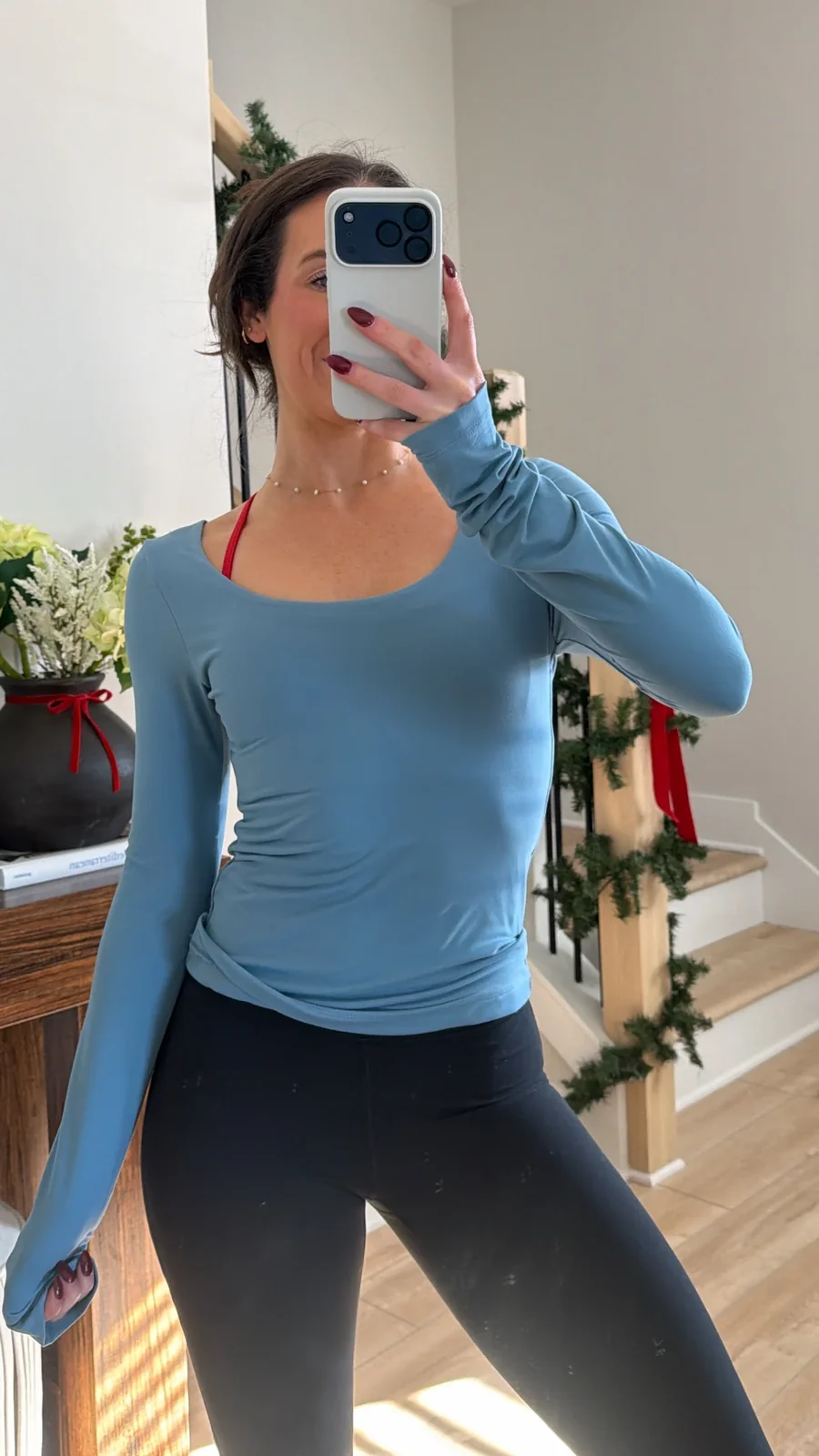
The Second Skin Long Sleeve Top is described as form fitting, with a scoop neckline and four-way stretch. That close fit can work as a base layer under a jacket, or as a simple top with a lower-volume bottom. Its product details say to size up for more room, so check the size information if you prefer a less fitted feel.
For another silhouette, the French Blue Bustier Dress has a bustier-style waist and a flowy bottom. Its source description notes that it runs short and suggests sizing up for length. Read the complete fit details before deciding whether it suits your plans and preferred coverage.
Make One Layer Earn Its Place
A useful travel layer should solve a real problem in your schedule: a cool morning, a breezy walk, or a chilly indoor room. Choose one that can sit over the base you plan to wear and that you can remove without rebuilding the outfit. A full-zip style offers an easy adjustment as the day warms up. Pockets may also be useful when you want a place for small everyday items, but check product details to confirm the features that matter to you.
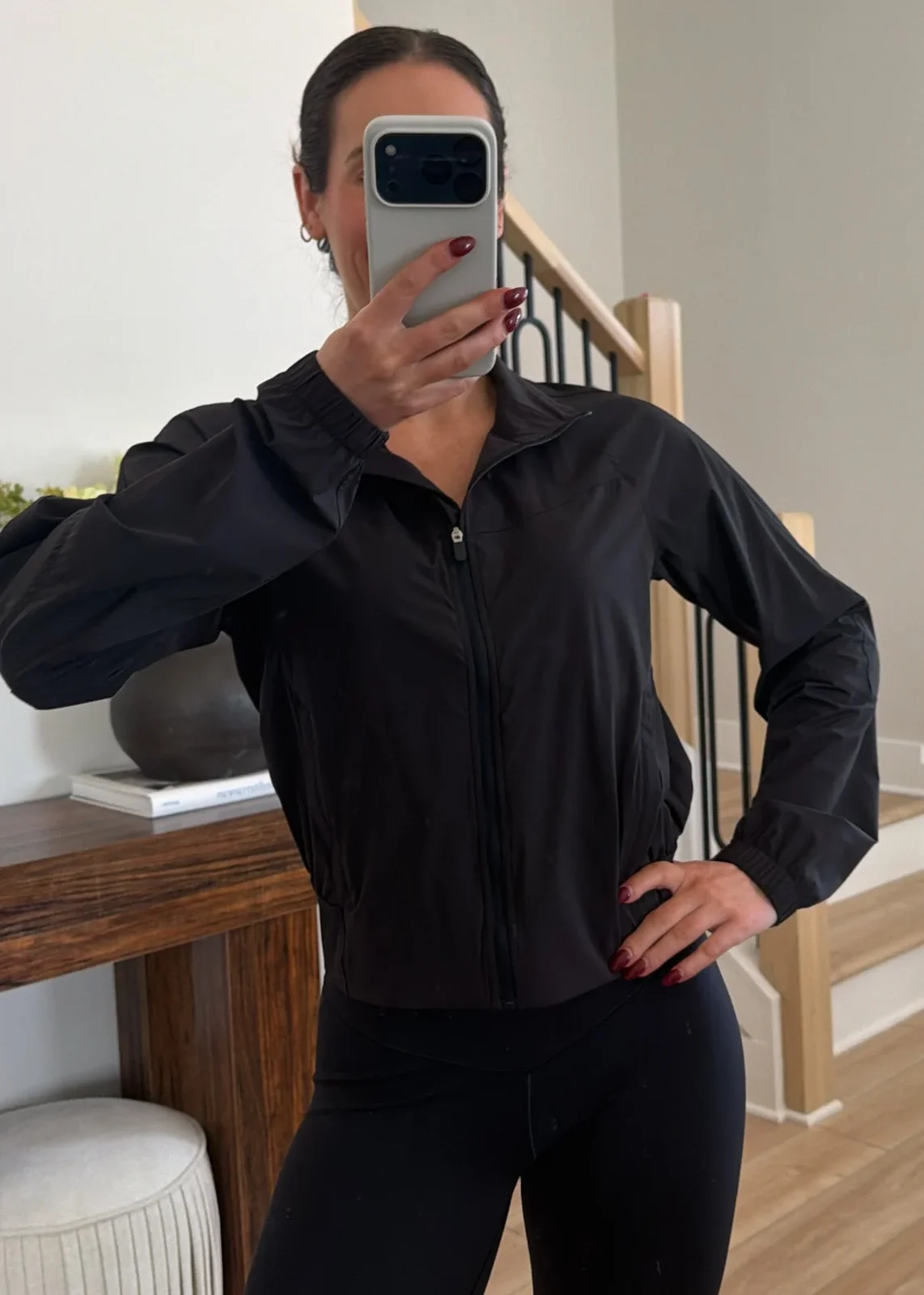
The Everyday Move Jacket is described as lightweight, with a full zip, high collar, functional zippered side pockets, and elastic cuffed sleeves. The listed material is 90% polyester and 10% spandex, and the fit is described as true to size or small. Those details offer a starting point, not a substitute for checking the current fit information and garment care label.
To keep the layer versatile, try it with each planned base before packing. Notice whether it feels comfortable over a fitted top and whether it suits the dress silhouette. If it works with both, it can support more than one outfit without taking the place of another useful piece.
Build Two or Three Combinations Before Packing
Lay out your proposed pieces and make complete combinations before they go into your suitcase. One simple plan might pair a fitted long-sleeve top with a bottom you already know is comfortable for walking, then add the jacket for cooler stretches. A separate look might use a dress on its own, with the same jacket available when you want another layer. The point is to test the combinations, not to prescribe a particular itinerary or dress code.
Look for pieces that connect through color, shape, or formality. A small color range can make mixing simpler, but it does not have to mean wearing one shade from morning to night. If a dress feels more dressed up than the rest of the plan, try it with the casual layer and see whether that brings the overall look closer to the day's activities. Browse the dress collection if you are comparing silhouettes; check individual product descriptions for fit and length rather than assuming every style wears alike.
Remove any piece that works only with one very specific combination unless it is essential for a scheduled occasion. A short try-on at home can reveal an awkward layer, a hem that needs attention, or a combination you would rather not wear all day.
Plan for Comfort Without Packing Duplicates
Comfort is personal, so use your own routine as a guide. Think about how long you will be on your feet, whether you prefer fitted or relaxed clothing, and how much temperature change you tend to notice. A top that feels fine for a quick errand may feel different after several hours. If you have not worn a combination before, try it for a little while at home instead of relying on a product description alone.
Also consider what each item contributes. A second layer may be worthwhile if it serves a distinct purpose; two nearly identical tops may not add much flexibility. Use the product page to check fabric, construction, fit notes, and any care information before you decide. For named pieces, the garment care label is the final authority on washing and care. Do not infer care instructions from a fabric description.
Keep your comfort preferences specific: note whether you want more room through the body, a longer hem, or a neckline you can wear comfortably through the day. Those details make it easier to assess sizing notes and decide what belongs in the plan.
Leave Room for the Schedule to Change
A compact outfit plan should make a weekend easier, not turn every outfit into a puzzle. Give each packed piece a clear role, but let those roles overlap: the layer can be useful outside and indoors, while a dress can provide an alternative to the base-and-bottom combination. Keep the planned looks adaptable enough that a delayed start or longer stop does not require changing everything.
Do one final check against the forecast and your actual plans. If you expect rain or a larger temperature swing, decide whether your chosen layer is sufficient; do not assume a lightweight jacket will serve every condition. Check care instructions and fit details for individual garments, particularly if you are considering a new-to-you silhouette. If you need to compare options, the outerwear collection is a starting point for browsing, while each product page gives the specific information available for that piece.
Then stop adding hypothetical outfits. A small, coordinated edit leaves you with choices while keeping the packing list focused. You can adjust a look by changing the layer or the proportion, rather than carrying a separate answer for every possible version of the weekend.