A statement piece does not need to be loud from head to toe. It might stand out through a strong color, an unexpected neckline, a distinctive print, or a silhouette that changes the feel of an outfit. The useful question is not simply whether you like it. Ask what quieter garments could support it, and whether you can picture wearing those pieces together. Starting with the supporting cast makes a distinctive choice easier to assess—and helps you avoid buying something that only works in theory.
Decide what kind of statement you want
Before considering what to pair with a garment, name the quality that caught your eye. Is it the color, pattern, shape, texture, or a small detail revealed from another angle? Choosing one main point of interest gives you a practical styling direction. If a dress has a notable back detail, for example, keep the rest of the outfit visually calm so that feature remains easy to notice. If a jacket has a plaid pattern, a simple top can give the pattern room without making the whole outfit feel busy.
This is not a rule against combining interesting pieces. It is a way to tell whether a combination feels intentional or crowded. When you are shopping, look at the garment on its own and then imagine it beside the most understated items you already wear. If you like the result, you have a clearer sense of its role in your closet.
Look for the quiet pieces already in your closet
Support does not mean buying a complete new outfit. Start with familiar garments that have little visual competition: a plain top, a straightforward layer, or a simple bottom in a color you already wear. Consider which pieces you reach for often and which ones fit comfortably into your usual routine. A statement garment is more practical when it can work with more than one of those dependable options.
Think about contrast as well as coordination. A clean, quiet piece can balance a patterned layer, while a softer silhouette may offset a sharply structured garment. Neutral colors can help, but they are not the only answer; repeating a color already present in a print can also make an outfit feel connected. If your closet tends toward relaxed basics, ask whether the standout piece feels like a natural extension of them. The goal is a useful relationship, not a perfect match.
Balance color, pattern, and visual detail
When a garment has a strong pattern or vivid color, try placing it beside solid, uncomplicated pieces. That gives the eye somewhere to rest and makes it easier to see the garment's shape. With a solid statement piece, a subtle texture or simple tonal contrast may add interest without competing. You can also pay attention to scale: two large patterns may demand attention at once, while a smaller, quieter pattern can sometimes sit comfortably beside a more prominent one.
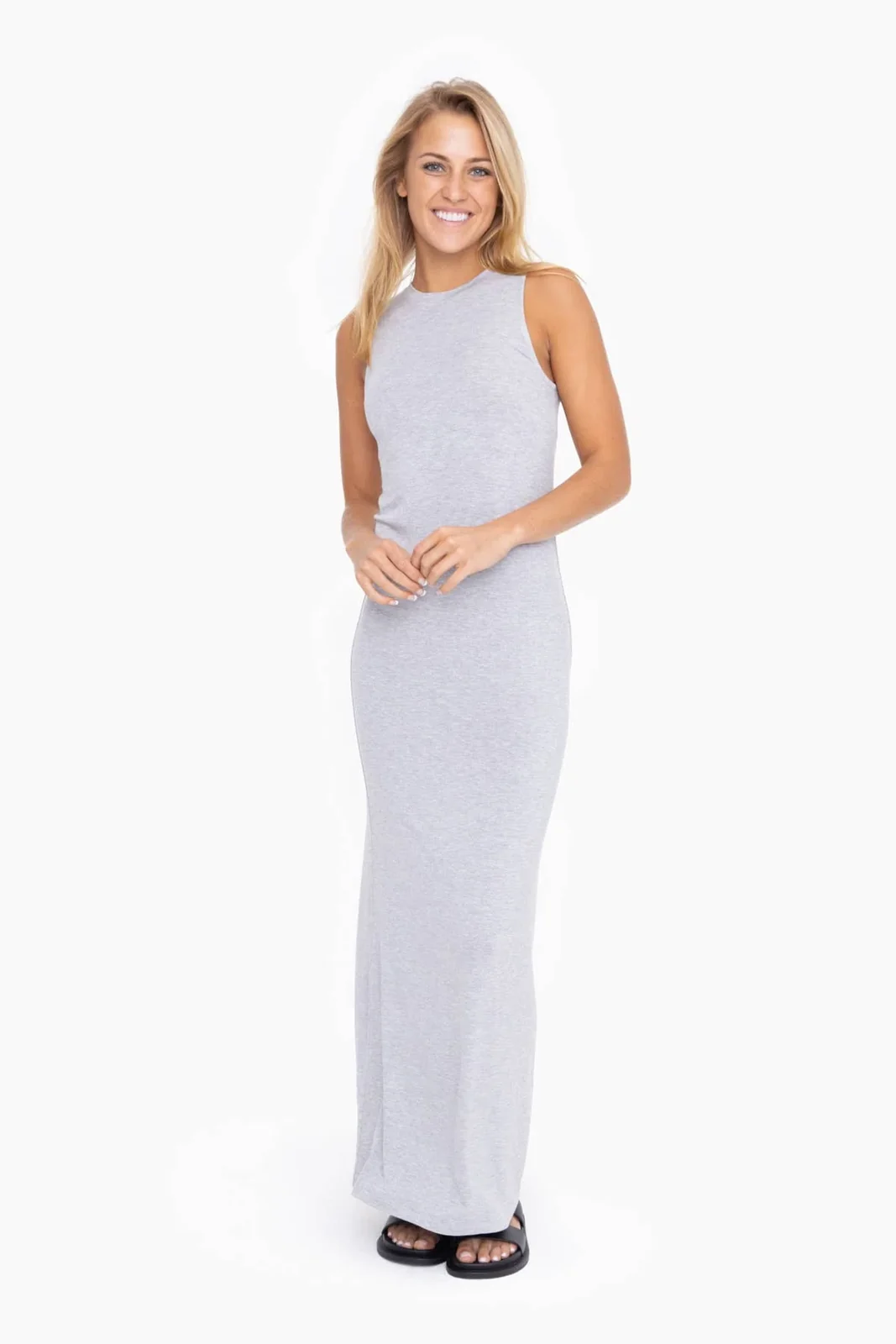
Details matter, too. A button front, unusual neckline, embroidery, or open-back feature can be the main event even when the color is restrained. Avoid deciding that a piece is “too much” based only on its product photograph. Read the description and look for specific construction or styling details. For instance, the Baytowne Warf Maxi Dress has a keyhole detail on the back, so consider whether you have simple layers or other quiet pieces that suit its casual, drapey character.
Check silhouette and comfort before committing
A striking shape can change the mood of an outfit more than a bold print. Think about proportion: if one garment is roomy or flowing, would a more streamlined piece alongside it make the outfit feel balanced? If the statement garment has a structured shape, decide whether your usual layers can sit comfortably with it. These are questions to test against the description and your own preferences, not assumptions about what will flatter every body.
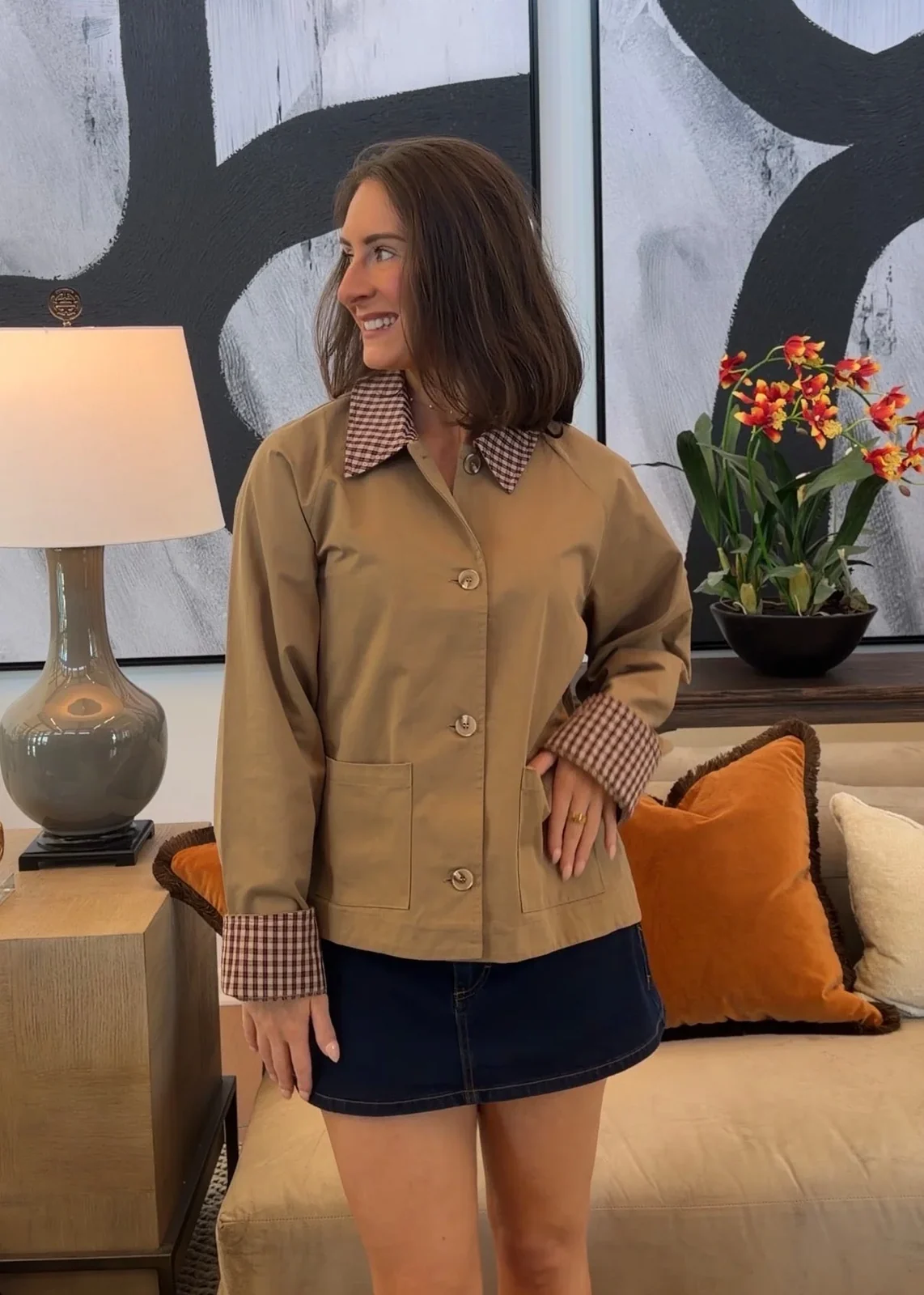
Read the listed fit and material details carefully, and check the sizing information rather than relying on a size name alone. The Jackson Hole Button Down Jacket is described as lightweight, with a plaid color and button-down feature. Its source description says it fits true to size; compare that note with the fit you prefer and any available garment details. The outerwear collection can also help you consider how a layer might work with pieces you already own.
Picture more than one way to wear it
Versatility does not mean a distinctive garment has to work for every occasion. Instead, aim to picture two or three realistic outfits using clothes already in your closet. Consider a relaxed day, a slightly more polished setting, or a familiar layering situation. If the piece works only with one exact combination, that may still be fine—but you should know that before buying. A little planning helps separate a garment you will reach for from one you only admire.
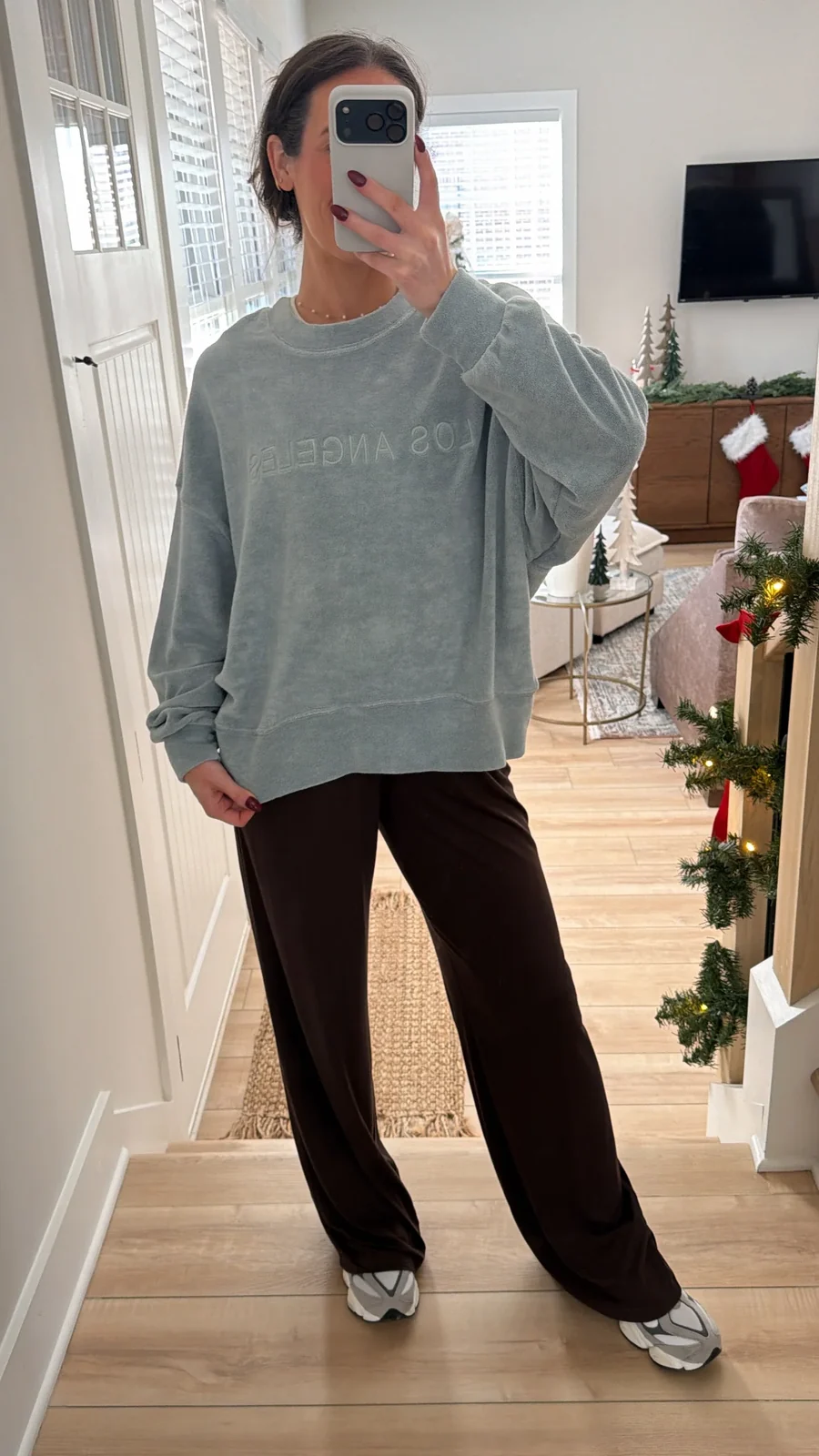
Use the product description to confirm what you can and cannot infer. The Silver Mist Crewneck is described as oversized and relaxed, with tonal “LOS ANGELES” embroidery and a crew neckline. Those details suggest a laid-back visual character, but they do not tell you how it will feel on your body or layer with a specific garment. If a detail is missing, check the available listing information rather than filling in the gap yourself. The tops collection is another place to compare descriptions and find quieter options.
Make a quick decision without overthinking
Before choosing, run through a short checklist: What is the garment's main point of interest? Which simple pieces could support it? Does the fit information match your preferences? Can you name a couple of occasions when you would wear it? If one answer is uncertain, decide whether more product information would resolve it. If not, consider whether you are comfortable buying based on what is clearly stated.
Keep practical details in view, too. If you need care guidance, the garment care label is the final authority; do not assume instructions from the fiber name alone. A statement piece should feel appealing in the fitting-room imagination and workable in ordinary life. Choosing the quieter pieces first gives you a grounded way to judge that balance. You can enjoy a distinctive garment without making every element compete for attention—and you can pass on one that does not fit the way you actually dress.