
A dress can make getting dressed feel simpler, but weekday life asks more of an outfit than a quick first impression. You may move between a cool morning, a warm afternoon, indoor air conditioning, and errands on the way home. The answer is not a complicated formula; it is choosing a dress that suits the day and planning one useful layer. Start with your schedule, consider the weather and the places you will go, then decide what will make the outfit comfortable for those hours. A few repeatable choices can help a dress feel like an ordinary wardrobe option rather than something reserved for a special plan.
Start with the shape of your day
Before choosing a dress, picture the day in practical terms. Will you sit for long stretches, walk between appointments, or need to move around at home and work? Think about the temperature indoors as well as outside, and whether you will have time to change. A day with a chilly commute and a warm afternoon calls for a layer you can take off and carry comfortably. If you are mostly indoors, consider whether the neckline, straps, and overall coverage suit the spaces you will be in. These questions help narrow the choices without turning getting dressed into a project.
Then choose a dress that fits the level of ease you want. A relaxed silhouette can feel useful for a full calendar, while a more structured-looking outfit may suit a day with meetings or plans. Neither has to be complicated: the goal is to feel at ease in the clothes you have on. Browse the dress collection with your actual week in mind, and check each listing for details that matter to your routine, including fit, length, and construction.
Plan a layer before you need one
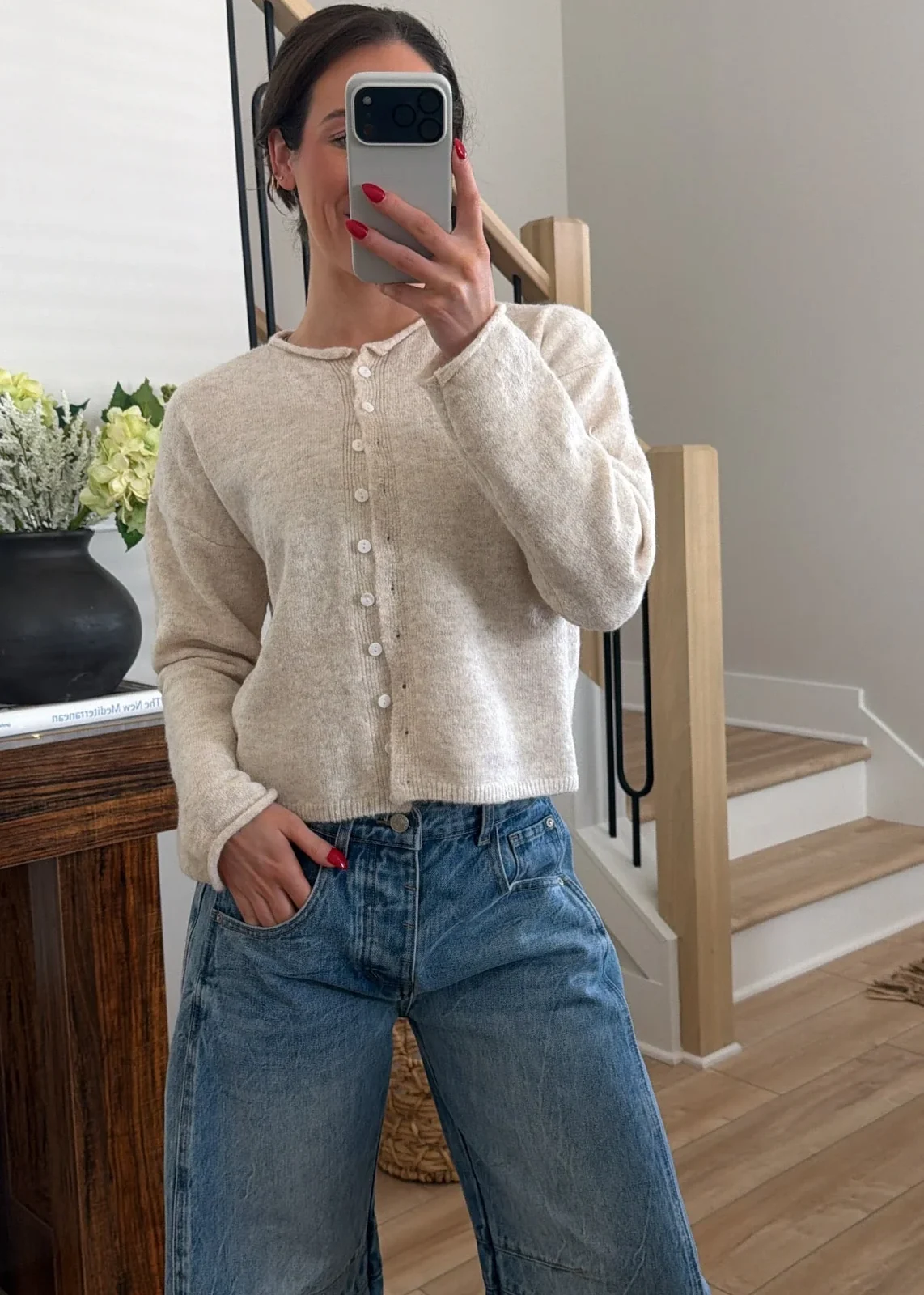
A layer is most helpful when it solves a predictable problem. Keep one in mind for a cool morning, a strongly air-conditioned room, or a walk after work. A cardigan offers a familiar option that can be worn open or buttoned, depending on the style and the coverage you want. The East Coast Lightweight Sweater is described as a cardigan top with a rolled collar, button-down front, long sleeves, dropped shoulders, and a ribbed hem. Its listing calls the fit lightweight and relaxed. You can review the East Coast Lightweight Sweater details before deciding whether those features suit the dress you plan to wear.
Keep proportions in view when combining a dress and a layer. If the dress has a lot of volume, try a less bulky layer; if the dress is simple, a more noticeable outer layer can add definition. These are starting points, not rules. Check how the layers sit together while standing and sitting, and make sure sleeves and hems do not bunch in a way that distracts you. A comfortable outfit should still feel manageable after several hours, not just look promising in front of a mirror.
Choose useful details, not just a print
Print can make a dress feel lively, but everyday usefulness often comes down to small construction details. Pockets, adjustable straps, a lining, and a tie can each affect how a dress works for you. The Siena Sun Stripe Dress is described as lightweight and breezy, with adjustable straps, a front tie, side pockets, and double lining. Its listing says it fits oversized and advises sizing down if between sizes. Those are specific details worth considering if you want a relaxed dress for a casual day; they are not a substitute for checking the measurements or fit information that is available for the item.
For a straightforward outfit, let the dress provide the main color or pattern and keep the added layer simple. Or use a neutral dress as a calm base for a more expressive jacket. The Siena Sun Stripe Dress has vibrant stripes, so you might choose a layer that complements rather than competes with them. Think about the day’s setting, too: a bold print can feel just as practical as a plain one when the fit and coverage work for your plans.
Make the temperature change manageable
Rather than dressing for only the coldest or warmest moment, plan for the shift. A light layer that opens or comes off easily gives you options as the day changes. If you expect to be outside early and indoors later, try the full outfit at home with the layer on, then without it. Notice whether the dress still feels complete on its own. This small check helps avoid discovering halfway through the day that the outfit depends on a layer you cannot comfortably remove.
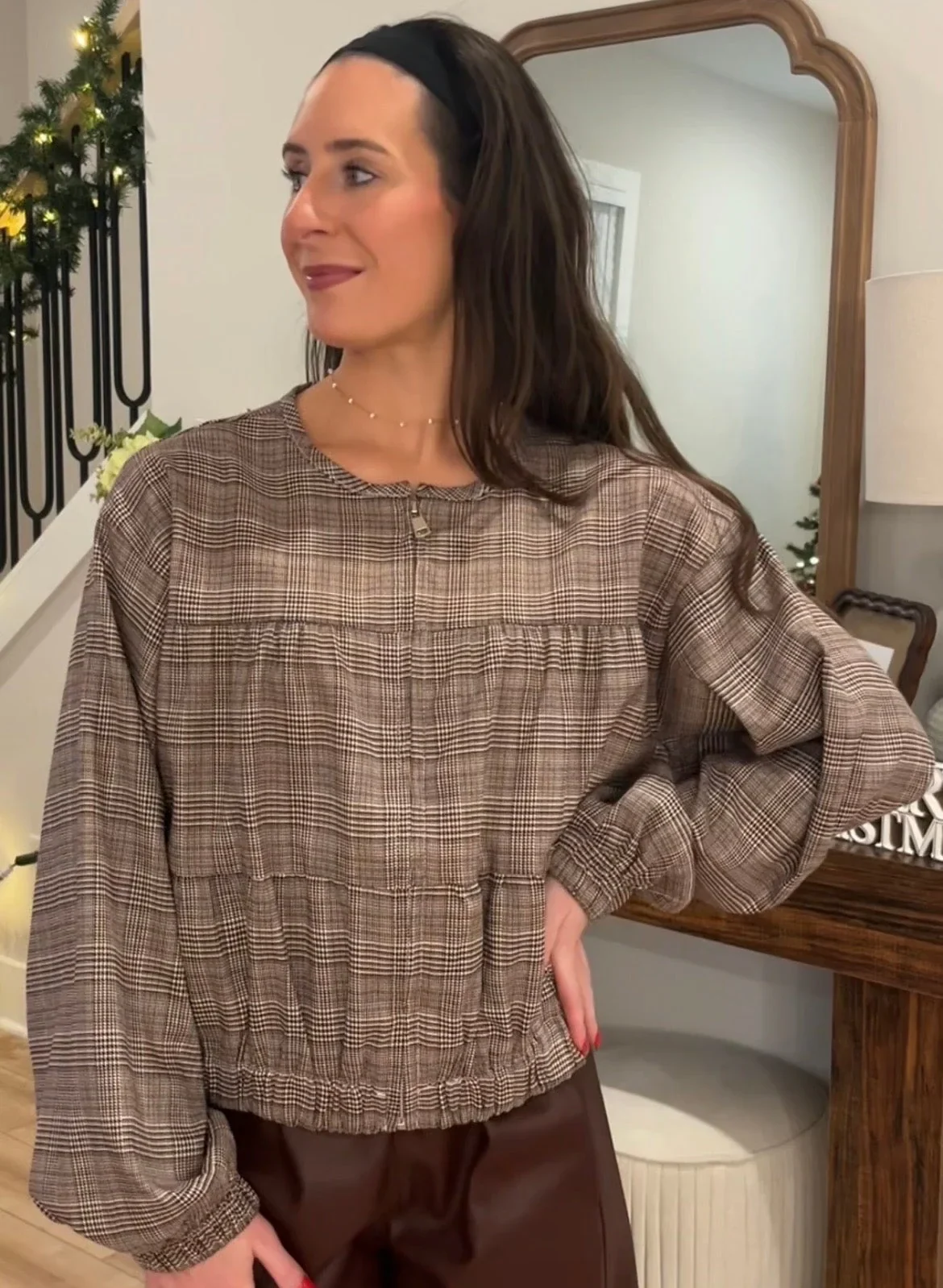
For a more casual outer layer, the Notting Hill Plaid Bomber Jacket is described as lightweight, zip-up, and oversized, with balloon sleeves and elastic cuffs. Its product information says it fits true to size. Those details can help you judge whether it is likely to sit comfortably over a particular dress, but compare the listed information with your own preferences before choosing. See the Notting Hill Plaid Bomber Jacket details, and consider how its plaid will work with the dress pattern or color you have in mind. A layer should add flexibility, not make movement feel restricted.
Keep weekday styling low-effort
Once you find a combination that works, remember it. A useful weekday outfit does not need a new styling idea every morning. Note which dress works with a cardigan, which one feels best under a jacket, and which layers are comfortable for your usual indoor temperatures. You can also set out the pieces together the night before, especially when the morning is busy. If something feels fussy at home—slipping straps, awkward bunching, or a layer that is hard to take off—it may feel even less convenient later.
When you are unsure about fit or care, use the item’s product information rather than guessing from appearance. Check the size guidance and listed features, and follow the garment care label as the final authority for care. That is particularly useful when a dress or layer has construction details you want to preserve. A little attention at the planning stage can make weekday dressing more predictable, while leaving room to change the outfit when the weather or schedule calls for it.
Build a small rotation that earns its place
You do not need a separate dress for every kind of weekday. A small rotation can work when each dress serves a different purpose: one for warm days, one that layers comfortably, and one that feels right when you want a little more color. Pair each with a layer you already know you can wear for several hours. The point is not to force every item into every situation; it is to have a few dependable combinations ready when time is short.
After wearing an outfit, take note of what actually helped. Maybe pockets made errands easier, or a cardigan worked better than a jacket in a cool office. Perhaps a print needed a plainer layer to keep the overall look calm. Those observations make the next choice easier. Over time, dresses become a practical weekday option because you know how they fit into your schedule, not because every day follows the same formula. Start with one combination that feels comfortable, then build from what your own routine confirms.