A useful pants rotation is not about owning a pair for every possible occasion. It is about choosing a few different shapes and weights that fit the kinds of days you actually have, then finding tops and layers that work with more than one of them. A straight leg, a relaxed shape, and a warm-weather option can give a small closet noticeably more range. Start with comfort and the settings you dress for most; then consider color, proportion, and how easily each pair joins outfits you already wear. The goal is not a perfect formula, but fewer mornings spent discovering that everything feels the same.
Start with the week you really have
Before shopping or editing your closet, picture a typical week. Note the activities that shape what you wear: sitting for long stretches, walking between errands, spending time outdoors, or needing a neater look for a meeting. Think about the weather, too. A pair that works in warm afternoons may be less useful when mornings are cool, while a heavier fabric might feel out of place during a hot spell. This quick inventory keeps your choices grounded in real use rather than in an imagined, unusually busy calendar.
Then identify gaps rather than counting pairs. Perhaps most of your bottoms are dark and structured, and you want something lighter and easier for a relaxed day. Or you have comfortable options but would like one shape that looks more polished with a tucked-in top. Write down two or three outfit situations you want to cover. That gives each potential addition a job and helps you avoid choosing another pair that does exactly what an existing one already does.
Use silhouette to create outfit variety
When several pairs share a similar color, their shapes can still make outfits feel distinct. A straight or narrow leg can give a crisp outline; a wider or more relaxed cut can create room and movement. A higher rise may change where a top sits visually, so consider whether you like it with a tucked, cropped, or untucked shirt. These are styling possibilities, not rules about which bodies should wear which cuts. Comfort, preferred proportions, and the clothing you already own matter more than a trend label.
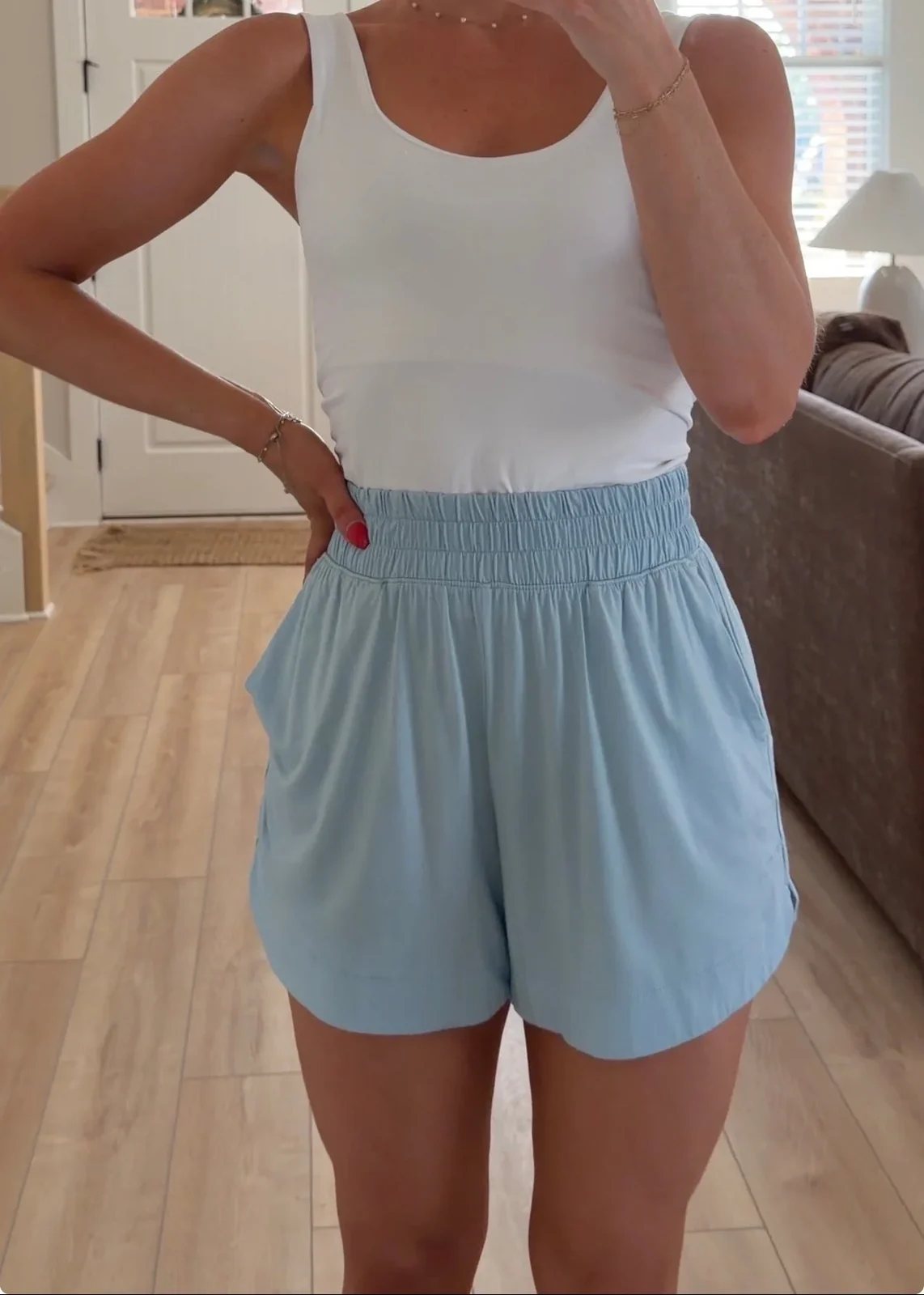
Try each shape with the same two or three tops. A fitted top can balance a roomy bottom, while an easy, looser shirt can make a closer-fitting pair feel less formal. If you are considering a new silhouette, look at the garment details and any available sizing information before deciding. For warmer days, the Salt Air Viscose Tulip Shorts offer a specific alternative to a conventional short shape: the listed details include a high rise, elastic waistband, side pockets, and tulip scallop side hem. Check the product page for further details as you weigh the fit and styling possibilities.
Choose a small set with different jobs
A compact rotation can be built around three roles: an everyday pair, a more relaxed option, and a pair that shifts the mood of an outfit. The everyday pair should work with several tops and suit your routine. The relaxed option might be chosen for comfort at home or casual plans. The third can offer a different silhouette, color, or degree of polish. Your actual choices will depend on climate and preference; there is no required number or universal set of cuts.
Make a quick list of what each pair contributes. If two options are close in color and shape, ask whether they serve different temperatures or occasions. If they do not, one may be enough. For warm-weather dressing, shorts can fill a different role from full-length pants rather than simply duplicating them. Browse the bottoms collection with that distinction in mind, and compare details such as rise, waistband, length, and fabric on individual listings. A clear job for each piece makes it easier to decide what earns space in a small rotation.
Build combinations around reliable tops
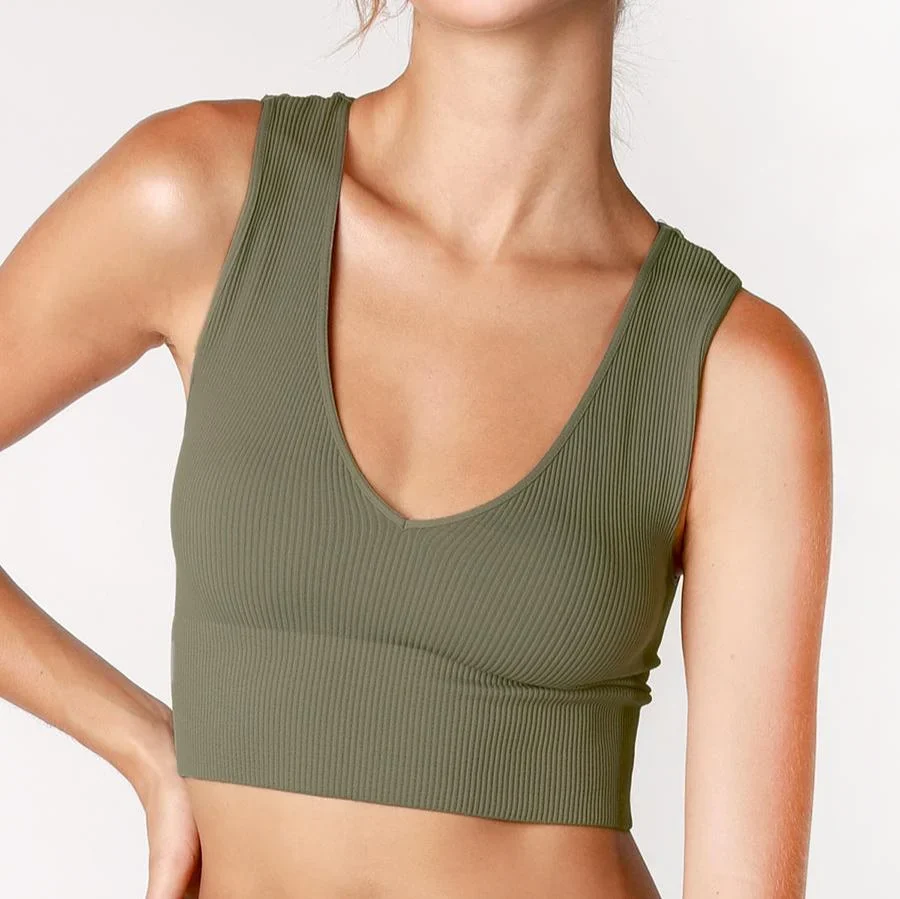
Bottoms do more work when your tops can pair with several silhouettes. Choose a few dependable shapes: a close-fitting top, an easy shirt, and a layer that can be added or removed. These do not need to be formal wardrobe categories; they are simply useful contrasts. A fitted ribbed tank, for example, can sit neatly with a higher-rise bottom, while a more relaxed top may work well with a straighter or closer cut. The Airplane Blues Ribbed Tank is described as a stretchy, ribbed tank with a deep V-neck scoop; consult its listing for the stated sizing and material details.
Test combinations in front of a mirror, including the versions you would genuinely wear: tucked, untucked, or with just the front tucked. Pay attention to where hems land and whether the overall outline feels comfortable to you. If an outfit works only with a special adjustment you dislike, it may not be as practical as it first seemed. You can also note successful pairings on your phone or in a closet list. A short record turns “I have nothing to wear” into a choice between combinations you already know work.
Plan for layers and changing conditions
Temperature shifts can make a small rotation more useful when you plan a removable layer. A denim jacket, cardigan, or light overshirt can change the feel of an outfit without requiring another pair of pants. Think through the whole combination: whether the layer ends near the waistband, how its volume works with the bottom, and whether you can wear it over more than one top. A slightly cropped layer may emphasize the waistline; a longer one creates a different line. Neither is automatically better—try the proportions you prefer.
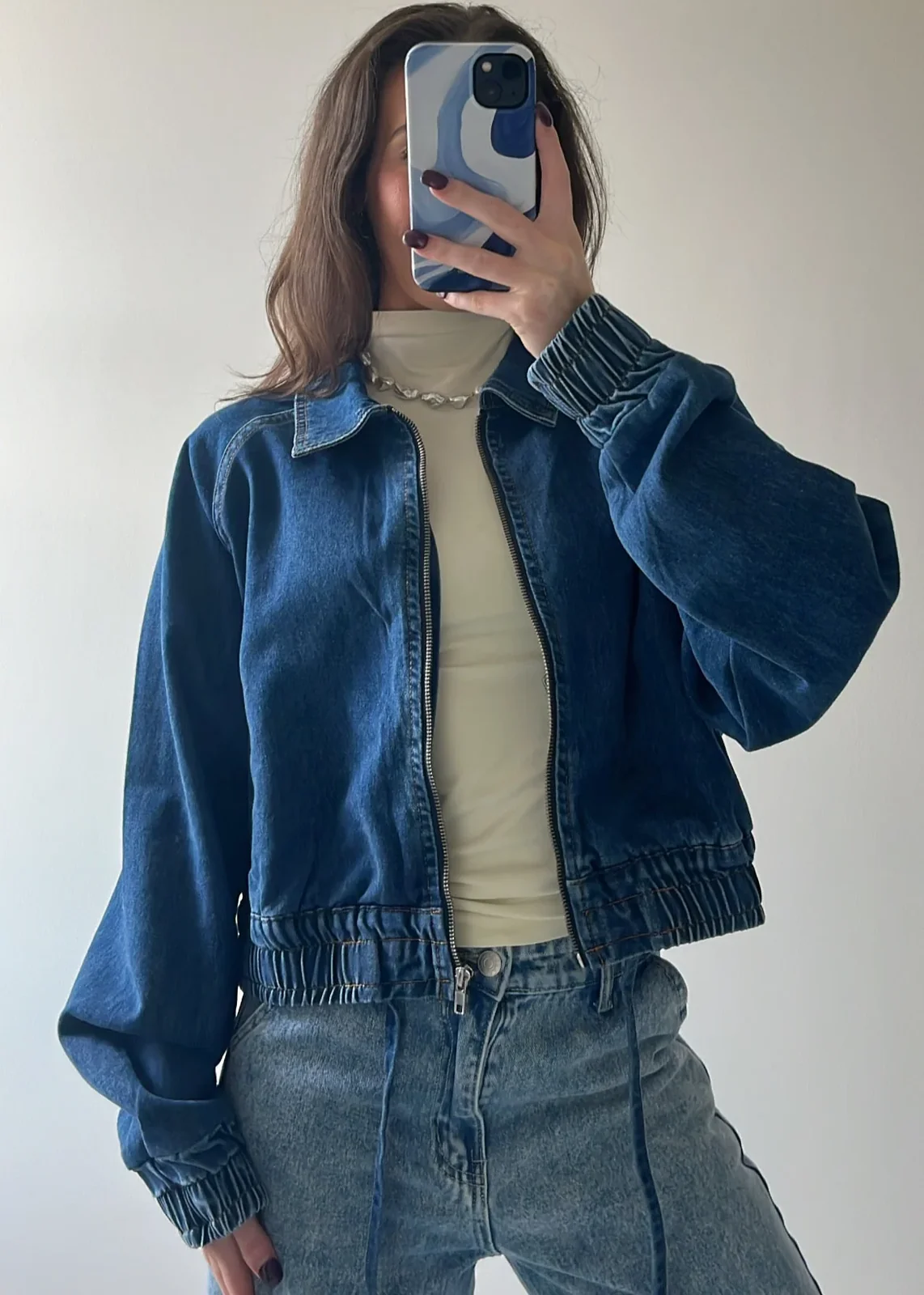
The Denim Blues Zip Up Jacket is listed as medium-wash denim with a zip front, elasticized hem and cuffs, and a slightly cropped, relaxed fit. Those details can help you picture how it might layer with pieces you own, but check the full listing for sizing information before making a decision. If you are comparing layers, the outerwear collection gives you a place to consider other options. For any garment, the care label is the final authority on cleaning and upkeep; do not rely on fiber names alone to choose a care method.
Review the rotation before adding more
Lay out the pants and shorts you wear most, then match each one with at least two tops and, if relevant, a layer. This is a practical test of variety. If a pair has only one workable combination, ask whether the limitation comes from fit, color, weather, or a missing top. Sometimes the answer is to style it differently with what you own; sometimes it is simply that the pair does not suit your everyday routine. There is no need to keep a piece because it fills a theoretical wardrobe role.
When considering a new item, check the product description for its listed fabric, features, fit notes, and sizing guidance. Use those details to form questions rather than assumptions, especially if a listing does not address something important to you. Then imagine the item with actual tops and layers from your closet. A varied week does not require a large wardrobe: a few distinct silhouettes, repeatable combinations, and choices that reflect your routine can give the clothes you reach for more ways to work.