A weekend forecast can change between the morning coffee stop and the evening walk. Rather than packing for every possible temperature, build outfits around pieces that work together and can be adjusted in a few minutes. Start with comfortable clothing for the conditions you expect, then add one useful layer and a simple plan for when to wear it. That approach keeps your choices manageable without pretending the weather will follow the forecast exactly.
Start with the day’s likely range
Look beyond the single high temperature. Check the morning and evening lows, the expected daytime range, and whether rain or wind is part of the forecast. A cool start followed by a mild afternoon calls for a different outfit than a warm day that turns chilly after sunset. You do not need a separate outfit for every shift; you need pieces that respond to those shifts.
Choose a comfortable base outfit for the most ordinary part of the day, then consider what would make it work if the temperature drops. A top that feels fine on its own may need a sweater over it, while a dress might be more practical with an extra layer nearby. If rain is possible, think about whether your plans include time outdoors and how easily you can get indoors. A quick forecast check before leaving can help you decide which layer to bring, rather than carrying several just in case.
Build around an easy base outfit
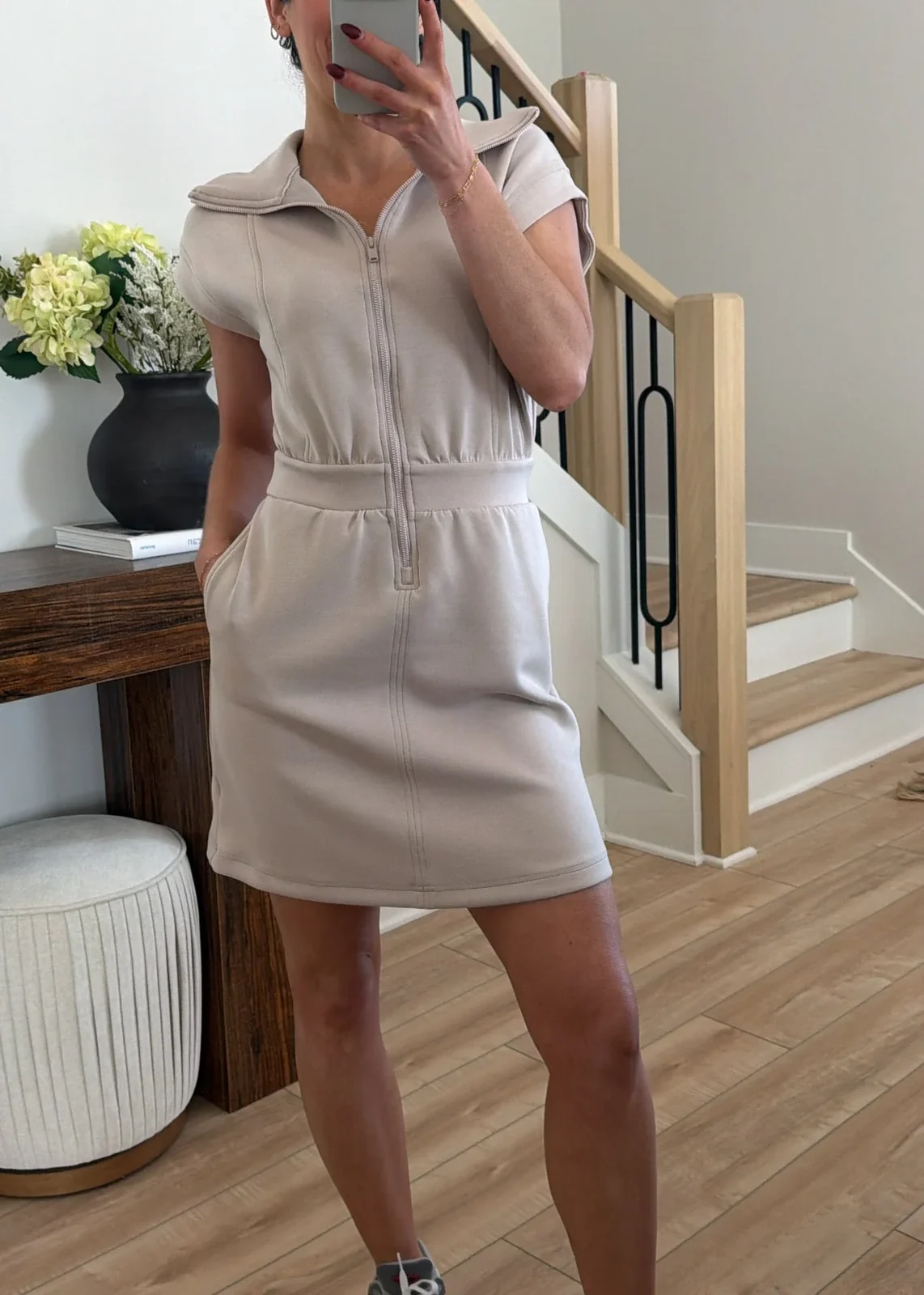
For a weekend with a loose itinerary, begin with a piece that feels comfortable through several ordinary activities. A casual dress can make a straightforward base: the Roam Free Zip-Up Casual Dress has a relaxed fit and a convenient front closure, according to its description. Those details make it a simple option to consider when you want one piece to anchor a day’s outfit. Before choosing, check the item details for any information you need about fit and fabric.
Think about the stops on your schedule rather than dressing for an imaginary perfect day. A morning coffee run, a long drive, and an outdoor lunch each place different demands on comfort. If your plans involve sitting for a while, choose a base that remains comfortable when you are not moving. If you may spend time outside, make sure the layer you plan to add is easy to put on and take off. For more options, browse the dress collection and consider how each piece could work with a layer you already plan to wear.
Choose one useful layer
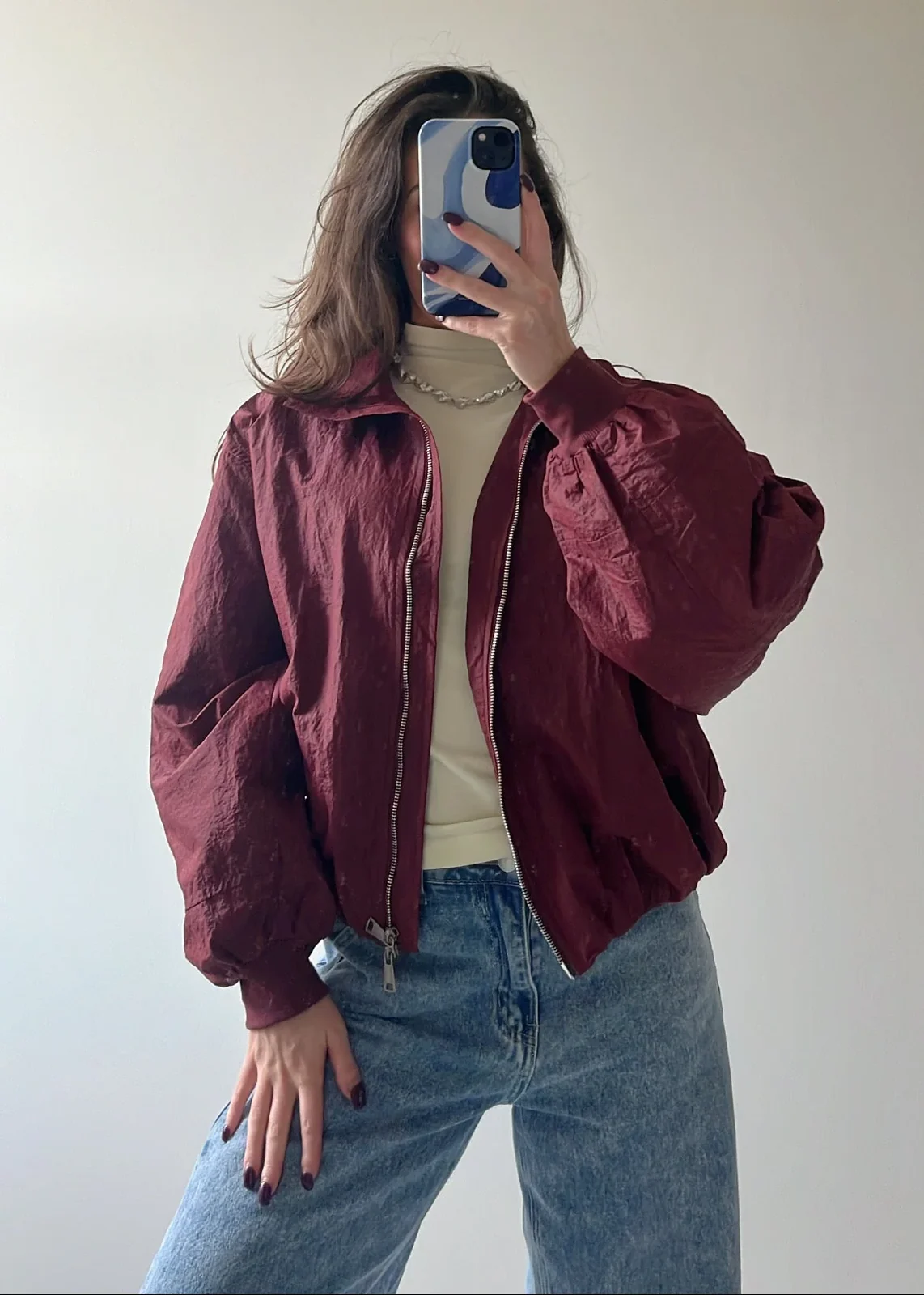
A layer earns its place when it solves a likely problem: a cool restaurant, a breezy walk, or a temperature drop after the sun goes down. For a lighter outer layer, the Vino Rosso Jacket is described as 100% nylon, lightweight, and zip-up. Those are useful details to weigh when deciding whether it suits your plans. The source description does not specify weather protection, so do not assume it will keep you dry in rain; check the garment details and plan accordingly.
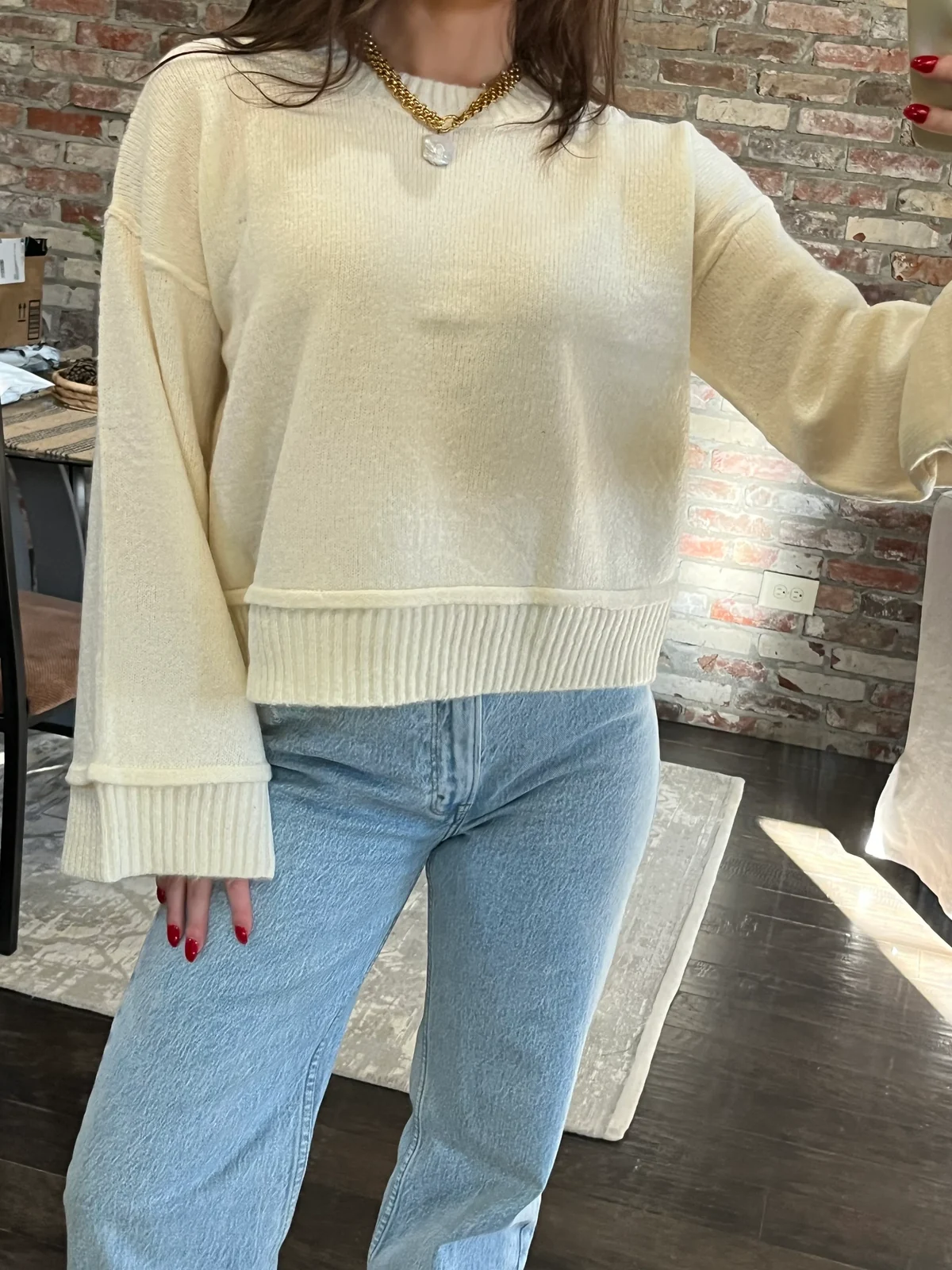
If you would rather have a knit layer, the Delta Oversized Sweater is described with a drop shoulder, wide sleeves, and a crew neckline. Its relaxed silhouette may be worth considering over a base outfit, but check measurements and product information if you have questions about how it will sit on you. Browse the outerwear collection or knitwear options to compare the kind of layer that fits your forecast. Bring one layer you expect to use, not a stack of backups.
Make outfit changes quick
When temperatures fluctuate, the easiest outfit is one you can adjust without rebuilding it. Keep the base simple enough to wear alone, then add or remove a top layer as the day changes. If you are deciding between a jacket and a sweater, ask where you expect to spend the most time. A lightweight zip-up style can be convenient when you want a layer that is easy to open or remove; a sweater offers a different feel and silhouette. Let your schedule and comfort preferences guide the choice.
Try the complete outfit before the trip, including the base piece and the layer you plan to pair with it. Check that the combination feels comfortable when you sit, reach, and move around. If sleeves bunch or the extra layer feels cumbersome, try another pairing rather than hoping it will be fine later. Keep the pieces that work together grouped in your packing plan, so a change in temperature does not require guesswork. A few practiced combinations are more useful than several unrelated items that each solve only one narrow situation.
Pack with a small, flexible edit
For a short weekend, make a brief list of planned activities and choose clothing that can cover more than one of them. A base outfit for daytime, a comfortable alternative, and a layer that works with both can be a sensible starting point. Adjust that small edit for the actual forecast and the formality of your plans. If the itinerary is still open, favor pieces you can wear in more than one setting rather than packing a distinct look for every possible stop.
Set the chosen outfits together before packing and look for gaps: Is there a likely chilly period without a layer? Have you packed multiple pieces that serve exactly the same purpose? Are you relying on an item whose fit or details you have not checked? Reviewing those questions can help trim unnecessary choices while keeping a practical backup. For a longer packing plan, see three outfits from a carry-on-friendly clothing edit and beach-weekend dressing without overpacking.
Check details and care before you go
When a piece will be part of a flexible outfit, confirm its practical details before relying on it. Read the product information for fabric, closures, fit notes, and any measurements provided. A description can help you narrow your choices, but it cannot answer every personal fit question. If a detail matters to your comfort or plans and is not listed, seek clarification before making assumptions. For wardrobe decisions that go beyond this trip, five questions to ask before choosing a new piece offers another useful checklist.
Care is part of planning, too. If you are packing a garment you may want to wear again during the weekend, check its care information in advance rather than guessing based on the fabric name. Always treat the garment care label as the final authority. A little preparation can prevent a last-minute surprise and help you decide whether a piece is suitable for the trip’s routine. With a comfortable base, one considered layer, and a forecast check before you leave, you can stay ready for ordinary weather changes without overpacking for every possibility.