A piece can catch your eye and still leave you wondering how it will fit into real life. A few practical questions can help you look past that first impression and decide whether a garment suits your routines, wardrobe, and preferences. Take a moment to consider its purpose, styling possibilities, fit, and care before choosing.
1. Where will I actually wear it?
Start with your calendar, not an imagined version of your life. Think about the places you go in a typical week: work, errands, relaxed gatherings, time outdoors, or evenings at home. A garment that suits an occasion you attend regularly may earn more wear than one reserved for a rare event. That does not mean every piece must serve several purposes; it means you should know what purpose you want it to serve.
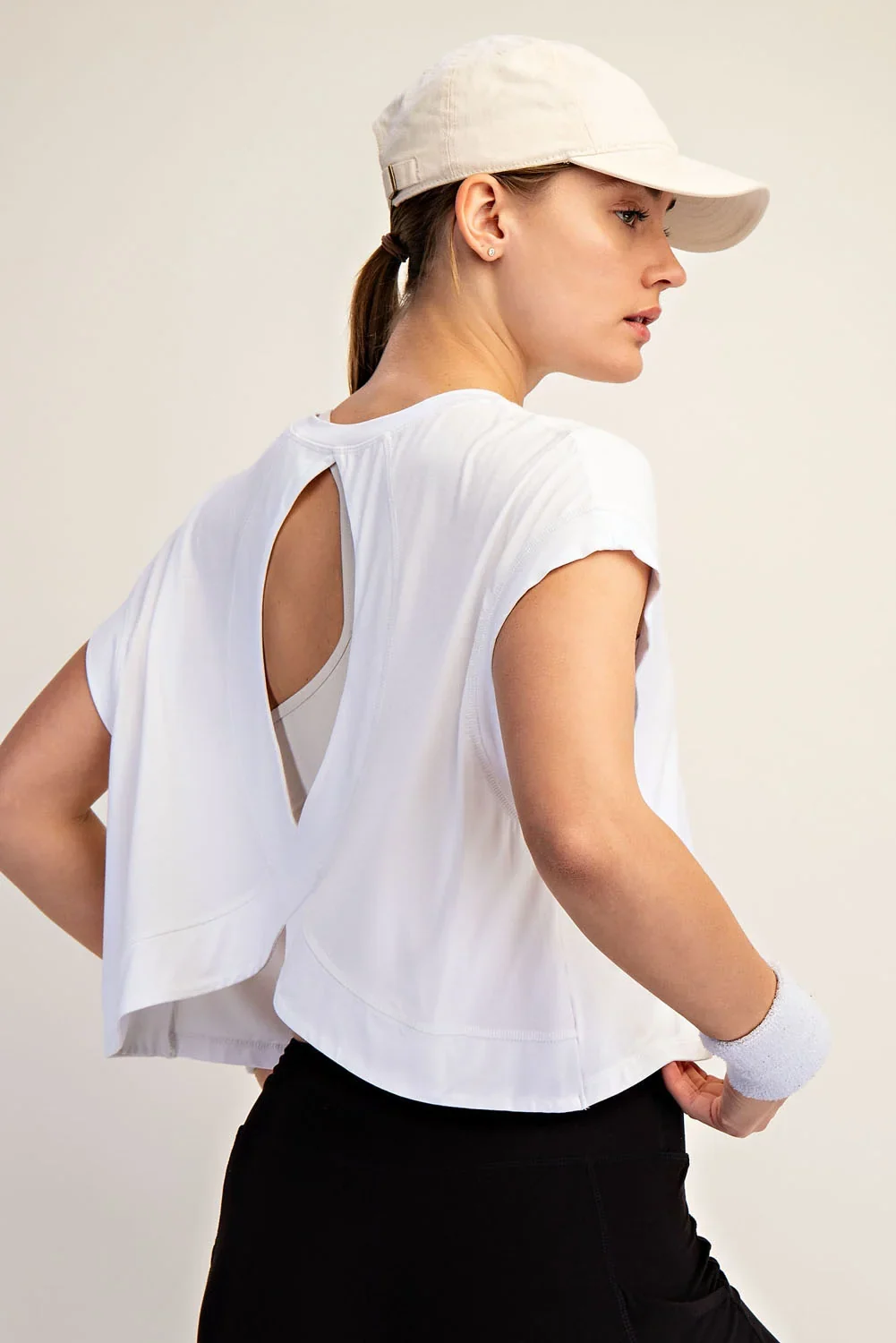
Consider the conditions, too. Will you be sitting for long stretches, moving around, or spending time in changing temperatures? For a casual day that includes movement, the Airflow Open-Back Athleisure Tee is described as a relaxed-fit, slightly cropped top with an open back, intended for movement and everyday wear. Ask whether that shape and setting align with your plans before deciding.
2. What can I wear it with?
Picture at least two outfits using clothing you already own. Think about useful pairings rather than a single styled look: a top with a familiar bottom, a cardigan over a dress, or trousers with a shirt you reach for often. If you cannot name any likely combinations, ask whether the piece fills a gap or would require you to rethink several other items before wearing it.
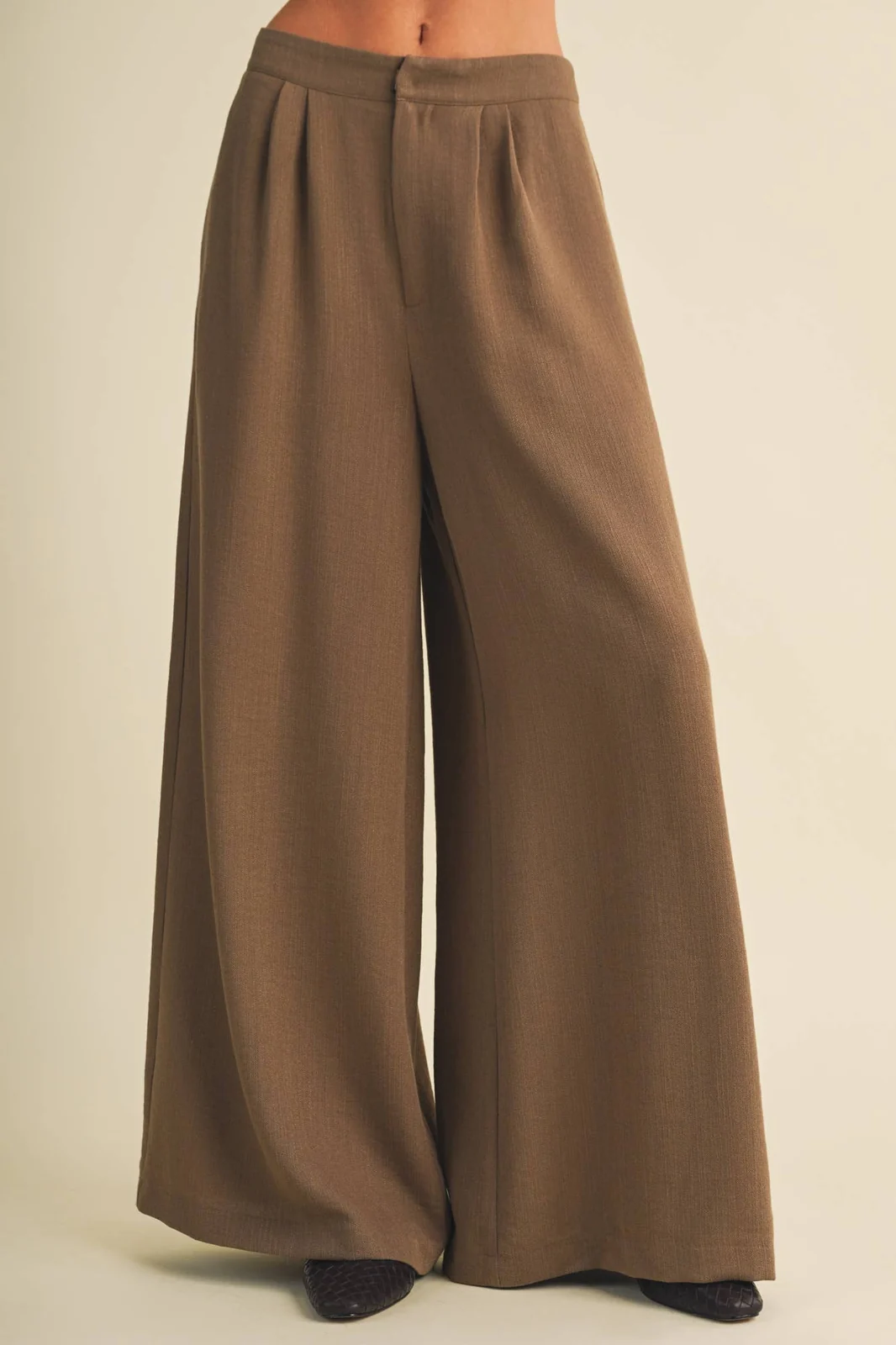
Pay attention to proportion and the way garments meet. A slightly cropped top may call for a bottom with a rise and shape you feel comfortable wearing. The Lugano Palazzo Trousers are described as high-waisted, wide-leg trousers with subtle pleating and a lightweight, fluid drape. Those details can help you imagine an outfit, but your existing clothes and personal preferences should make the final call. Browse the bottoms collection when you are considering how another bottom might work with tops already in your closet.
3. How does the fit feel when I move?
Fit is more than a size label or a quick glance in the mirror. Consider how a garment feels when you sit, reach, bend, and walk. Notice whether the shoulders sit comfortably, the waistband stays where you want it, and the length works with the clothing you plan to pair it with. If you are shopping online, read the available size and fit notes carefully and compare them with a garment you already like.
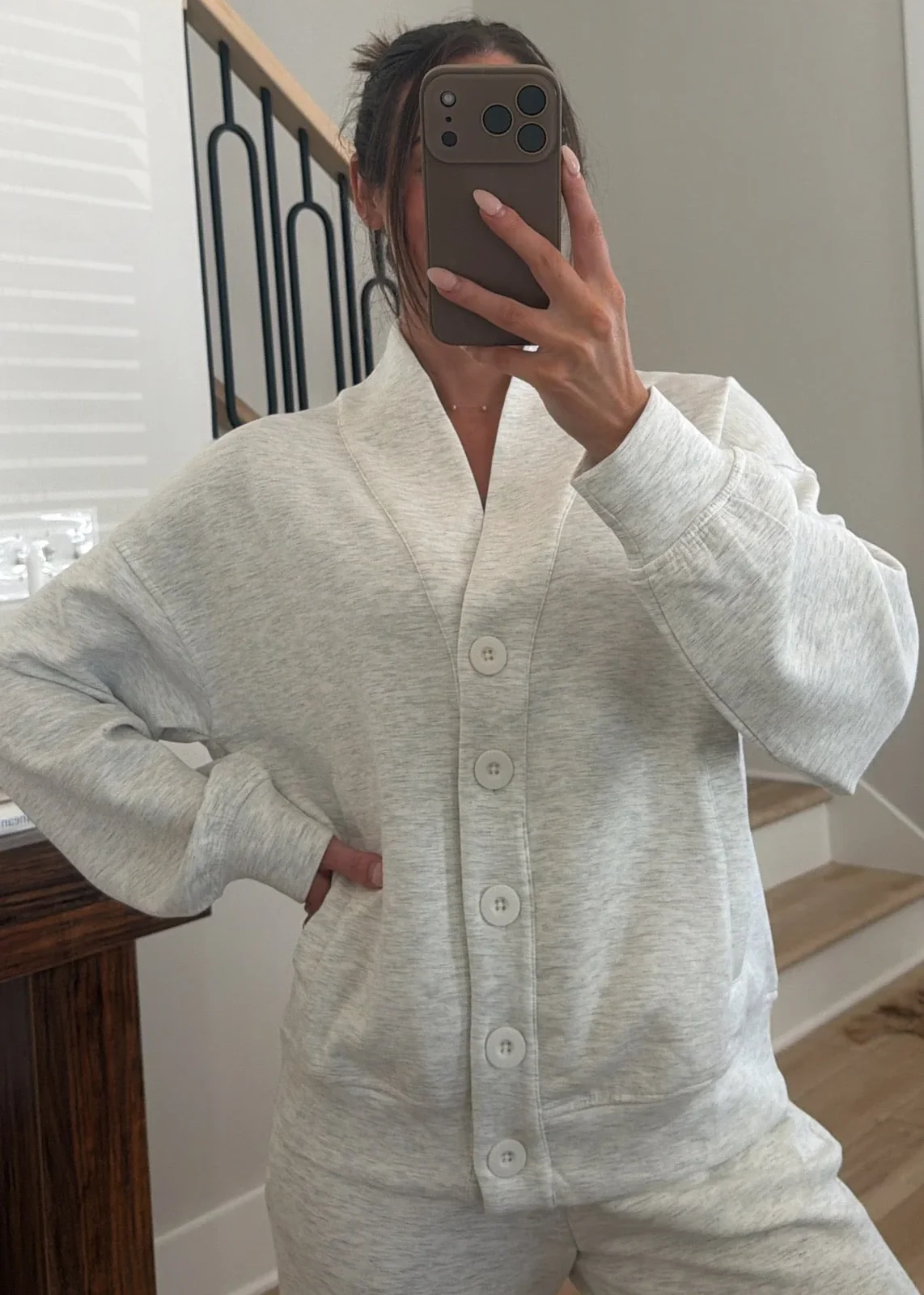
Product descriptions can offer useful starting points, not a substitute for your own fit preferences. The Roam Free Button Up Cardigan is described as relaxed and oversized, with dropped shoulders and a button closure. If you generally prefer a closer silhouette, consider whether you would enjoy that shape over the clothing you plan to layer beneath it. For any garment, check the listed measurements or sizing guidance when available, and contact the shop if you need clarification rather than assuming a fit detail that is not provided.
4. What does the fabric and construction suggest?
Read the product details for stated fiber content, fabric description, and construction features. Those facts can help you decide whether a piece sounds suited to the way you like clothing to feel and function. Look for information that matters to you: pockets, a lining, a closure, stretch, or a particular neckline. If a detail is not listed, treat it as something to check rather than something to assume from a photo or a fabric name.
For example, the Airflow Open-Back Athleisure Tee is listed as 95% viscose modal and 5% spandex, with a round neckline, drop shoulders, and a slightly cropped shape. The Roam Free Button Up Cardigan is listed as modal, polyester, and spandex, and includes side pockets and a button closure. These descriptions give you specific features to weigh, but only you can decide whether they suit your comfort and styling needs. Look for clear product information and ask about any detail that affects your decision.
5. Can I care for it the way it requires?
Before choosing a garment, consider the care steps you are willing and able to follow. Check the product information for available care guidance, and read the care label when the garment arrives. The garment care label is the final authority. Do not infer washing, drying, or ironing instructions from a fiber name alone; fabric blends and construction can affect care requirements.
Be realistic about your routines. If you prefer clothing that fits into a particular laundry routine, confirm the instructions before relying on that assumption. A garment that needs care you are unlikely to provide may not be a practical choice for your week, even if its color or silhouette appeals to you. Similarly, if details are missing or unclear, ask before choosing rather than guessing. This question is not about ruling out anything that requires attention; it is about knowing what that attention involves and deciding whether it works for you.
What would make this piece useful over time?
Bring your answers together: a clear purpose, outfits you can picture, a fit you are comfortable with, details that suit your preferences, and care you can manage. Then consider whether the piece adds something meaningful to your wardrobe. That might be a layer for shifting temperatures, a comfortable option for days on the move, or a pair of trousers that works for settings you visit often. Usefulness is personal; it depends on how you dress and what you already own.
Finally, give yourself room to pause. Revisit the questions after looking through your closet or checking the product details. The Roam Free Button Up Cardigan, for instance, is described as a relaxed layering piece that pairs with jeans, dresses, or trousers. Consider whether those combinations reflect clothes you actually wear. A thoughtful choice does not need a complicated test: it needs a place in your real routine and a fit with your preferences.