A short beach trip can invite a surprisingly large pile of clothes: one outfit for the drive, another for lunch, something for the shoreline, and several backups for plans that may never happen. Start with the itinerary instead. A few well-chosen pieces can cover different parts of the weekend when their shapes and colors work together. Think about what you will actually do, what the forecast suggests, and whether you will have time or access to refresh clothing. Then pack for those conditions, not an imaginary schedule that requires a new look every few hours.
Map the weekend before choosing clothes
Write down the trip’s fixed plans first: travel, time near the water, meals out, and any indoor activity. Add likely changes in temperature or a chance of rain, but do not pack a separate outfit for every possible variation. One relaxed daytime combination and one option that feels a little more polished may be enough for a simple itinerary. If you expect to change after the beach, account for that explicitly; if you will be out all day, favor a look that can carry through several stops.
Be honest about how long you will wear each outfit and whether you can return to your lodging between activities. A beach morning followed by a casual dinner is different from a full day of sightseeing and an evening reservation. Check the forecast close to departure, and note whether your plans are mostly outdoors or in air-conditioned spaces. Those details can change the layers you need. Planning around the actual weekend keeps “just in case” pieces from taking over your suitcase.
Choose a small group of pieces that work together
Pick a simple color direction, then select tops and bottoms that can be worn in more than one combination. This is not a demand for a strictly neutral wardrobe; it is a way to make each piece earn its place. A top that works with two bottoms gives you more options than a top that only suits one outfit. Before packing, lay the planned pieces together and make the combinations you expect to wear. If something has no clear role, consider leaving it home.
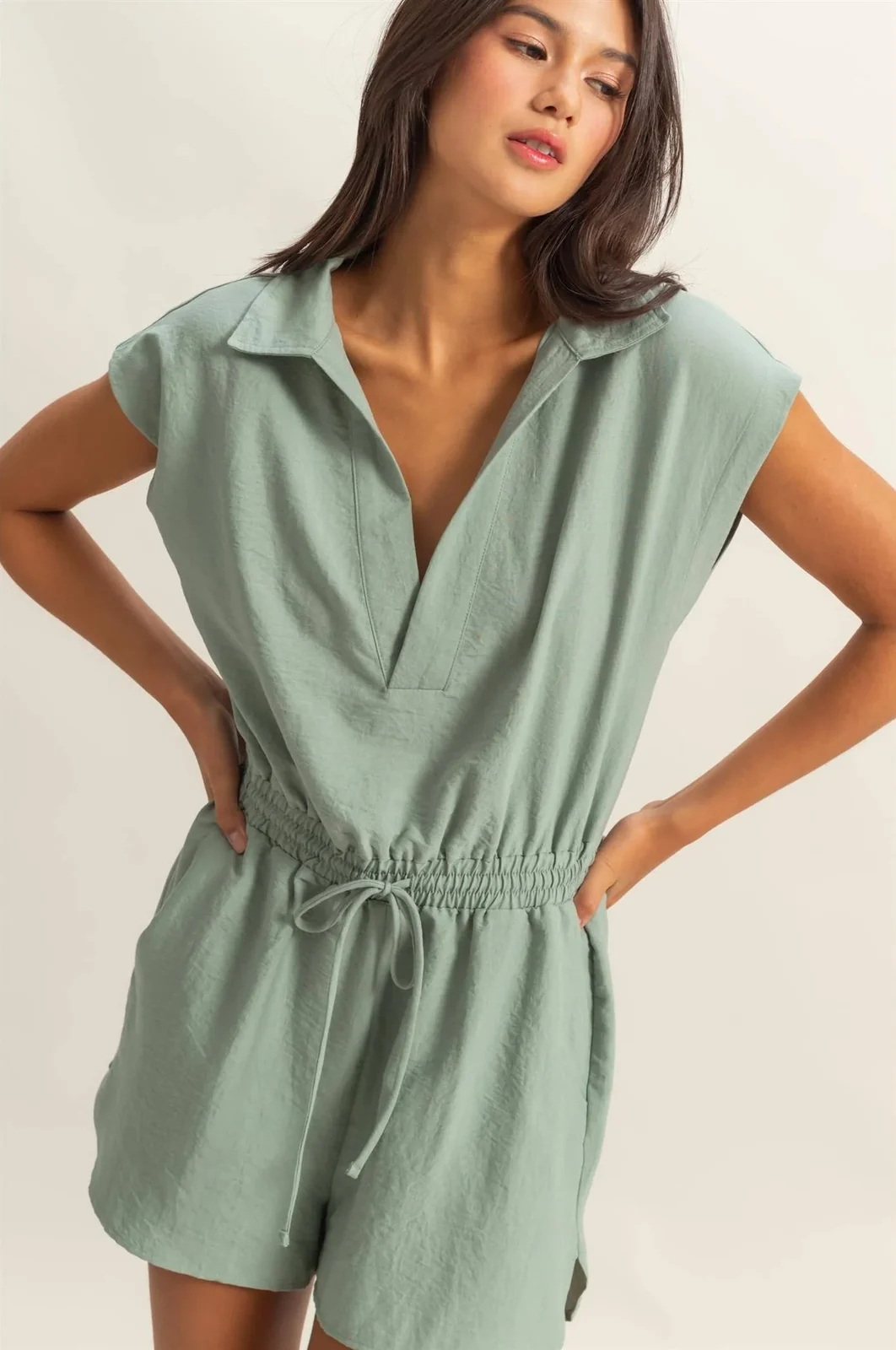
For a one-piece option, the Coastal Drift Romper is described as lightweight, with a tie-front elastic waistband, side pockets, and a V-neck and collar neckline. Its source description also notes a flowy design. Those are the stated details to weigh against your own plans; they do not tell you how a garment will feel in every climate. Check the current product details for sizing information, and consider whether a one-piece suits your schedule and preferred fit before building an outfit around it.
Let fabric descriptions guide—not promise—comfort
Words such as “coastal” or “summer” can suggest a mood, but they are not fabric specifications. Look for the listed material and construction details, then decide whether they suit the weather and activities you expect. The Coastal Drift Romper is described as lightweight and made of 100% polyester. That is useful information to compare with your preferences, but it is not a promise of breathability or a particular level of comfort. If fabric performance matters to you, review the full listing and ask the boutique for clarification rather than relying on a seasonal name.
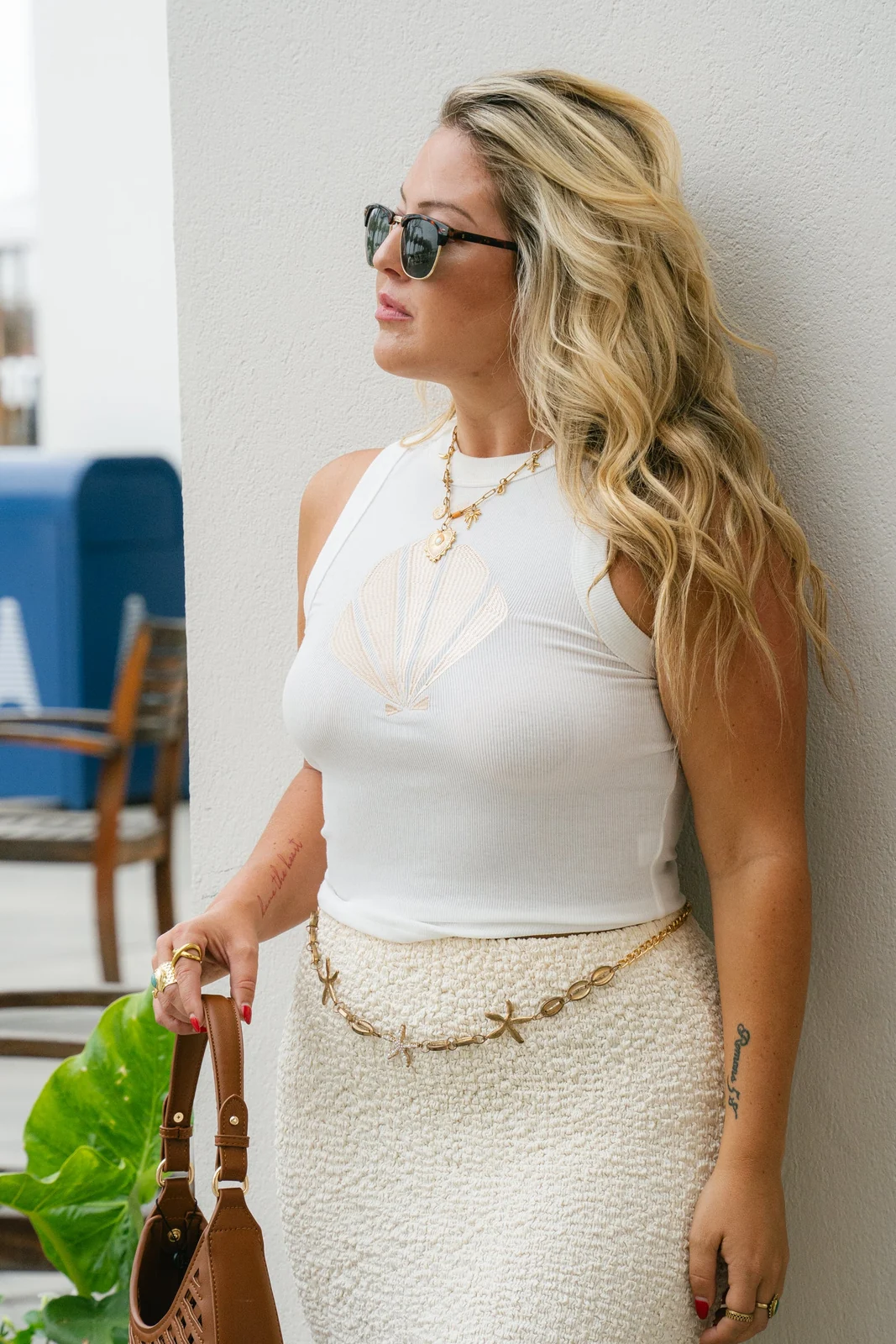
The Solstice Shell Embroidery Tank is listed as 95% polyester and 5% spandex, with shell embroidery, and its description presents it as suitable for layering or wearing alone. The listing says it fits small and that the model wears a Medium. Use that specific sizing note as a reason to check the size information carefully, not as a substitute for your own fit preferences. For more options in this category, browse the tops collection and compare each item’s listed details.
Repeat clothing with a different purpose
Repeating a piece is practical, not a packing failure. A top can work for travel and then appear again with a different bottom; a simple layer can shift an outfit from daytime to an indoor meal. Plan those repeats ahead of time so you know the combinations are comfortable for your itinerary. If you are packing clothing for a beach day, also think through what you will wear before and after time near the water. Avoid assuming that any particular garment is intended for swimming unless its product details say so.
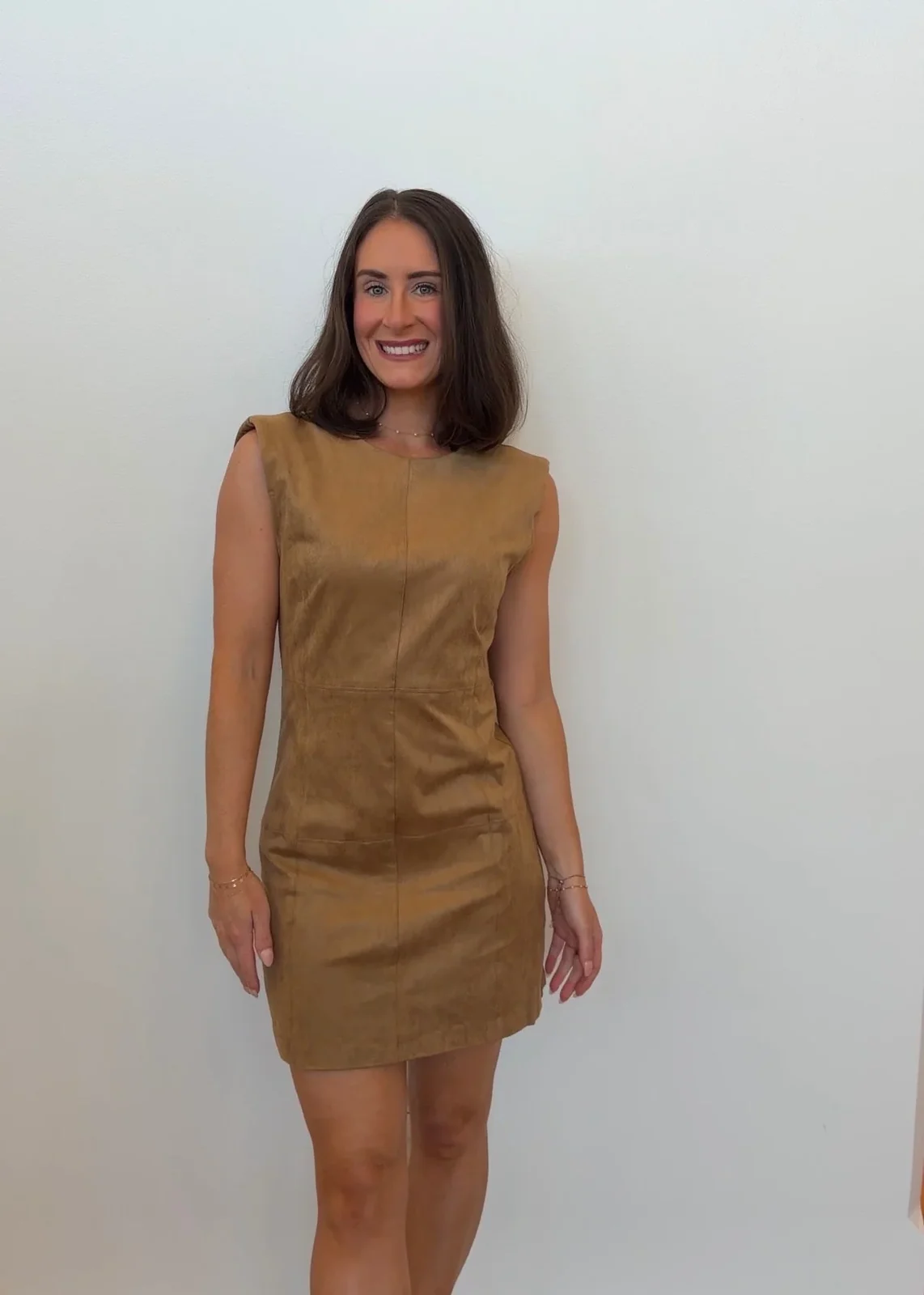
Keep the evening plan realistic. If dinner is casual, you may not need a separate dress and an extra outfit for the same night. If you do want a distinct option, choose one that fits the setting and can be worn again. The structured A-line mini silhouette of the Autumn Daze Suede Dress is described as having integrated padded shoulders and woven suede, with professional and evening settings in mind. Those details may make it a different kind of choice from a relaxed beach-day outfit. Consider the forecast and your plans before deciding whether it belongs on this trip.
Prepare for weather without packing every possibility
Check the forecast shortly before leaving and pack for the most likely conditions, with one sensible adjustment for uncertainty. A forecast that calls for cooler evenings may justify an extra layer; a warm outlook may not. Keep the question concrete: what will you wear if the temperature drops, and can that piece work with more than one outfit? That is more useful than adding several uncoordinated backups. For a trip during a changeable season, the planning approach in weekend dressing for unpredictable weather can help you think through flexible combinations.
When deciding whether to bring a garment, check its stated fabric, fit, and features against your activities rather than guessing from its name or appearance. Follow the garment care label for any care decisions; the label is the final authority. If you are unsure about a product detail, verify it before packing, especially when the answer could affect whether you can wear or refresh the piece during the trip. This small check can prevent packing an item that does not suit the conditions you expect.
Make a final edit before you leave
Lay out the clothing you plan to pack and match each piece to a specific part of the itinerary. Look for repeated functions: two items serving the same purpose may be unnecessary unless the weekend is long or you expect to change often. Then make sure each top has a planned pairing and each planned outfit makes sense for its activity. If you are bringing an item only for a remote possibility, decide whether a versatile alternative already covers that need.
Finally, leave a little room for the trip to unfold without packing for every version of it. A useful beach-weekend wardrobe is not measured by how many outfits it produces, but by whether the clothes you bring suit the plans you actually have. Keep the pieces that work together, respect the listed fit and material details, and make adjustments based on the forecast. For another way to think about making fewer pieces do more, see a city weekend outfit plan with fewer pieces.