
A closet reset does not have to begin with a donation pile or a shopping list. Start by looking at the outfits you already reach for: the combinations that feel comfortable, suit your day, and come together without much thought. They offer practical clues about what belongs in your everyday wardrobe. Set aside a little time to try those pairings, notice what makes them work, and identify the pieces that are missing from the picture. You may find that a few small styling changes create more options than a new purchase would.
Begin With Outfits, Not Individual Pieces
Choose a handful of outfits you wore recently and recreate them from your closet. Include ordinary days, not only special occasions: a workday, an errand run, a relaxed afternoon, or a plan that calls for a little polish. Put each combination together fully, then ask what makes it dependable. Is it the fit, the level of comfort, a useful layer, or the way the colors sit together? Write down the pieces and the reason you choose each outfit. This gives you a clearer picture than scanning hangers one at a time.
Be specific. “I like this” is less useful than “these trousers work with both my fitted tops and loose shirts.” A closet reset is not a test of how many garments you own. It is a way to find the combinations that support your real routine and understand why they do.
Notice the Outfit Formulas You Repeat
Look across your recreated outfits for patterns. Perhaps you often balance a relaxed bottom with a closer-fitting top, or use a simple base layer under a more structured piece. You might notice that a particular length, neckline, or color pairing makes getting dressed easier. These repeated choices are outfit formulas: flexible starting points you can adapt, rather than strict uniforms you must follow.
Write two or three formulas in plain language, such as “straight-leg bottoms plus a fitted top” or “one-piece outfit with a layer for changing temperatures.” Then identify which garments can fill each role. If a formula depends on only one favorite item, consider whether another piece already in your closet can do the same job. For more ideas on balancing proportions, see the bottoms collection as one place to browse silhouettes, while keeping your own existing combinations at the center of the exercise.
Separate a True Gap From a Shopping Impulse
A gap is useful to name when it repeatedly interrupts an outfit you would otherwise wear. Maybe you have several bottoms but no top that feels right with them, or you lack a comfortable layer for the temperatures you encounter. A passing urge to try a new color is different. Both can be valid, but they do not need the same priority. Note the occasions when the gap shows up and what qualities would solve it: sleeve length, ease of movement, a particular neckline, or a shape that balances another piece.
Before adding anything, test alternatives already in your closet. Try a different tuck, roll a sleeve, or switch the top or bottom while keeping the rest of the outfit steady. If you are considering a new piece, use its listed details to check whether it fills the specific role you identified. For instance, the Second Skin Long Sleeve Top is described as form fitting, with a scoop neckline and four-way stretch. Its product details also say to size up for more room, so compare that guidance with the fit you want.
Try More Combinations Before You Decide
Make a small, deliberate set of combinations from pieces you already own. Keep one item fixed and change the other: one top with three bottoms, for example, or one pair of trousers with several layers. This makes it easier to see whether a garment is versatile in your wardrobe rather than in theory. Take a quick note of outfits you would wear again and mark anything that needs a practical adjustment, such as a different layer or a more comfortable fit.
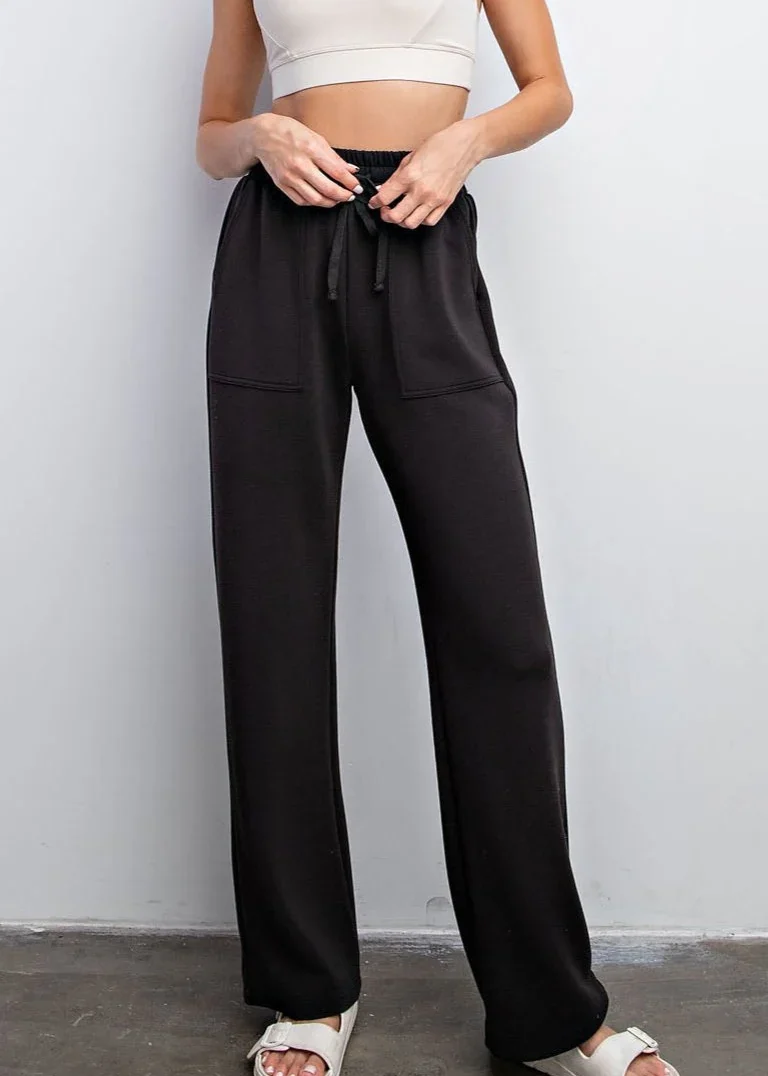
When considering a new bottom, think about the tops and layers you have at home. The Roam Free Scuba Pants are described as straight leg, with side pockets and an elastic waistband with drawstring. Their source description identifies a butter-smooth, cooling fabric and lists modal, polyester, and spandex. Check the complete product information and your own wardrobe before deciding whether they add a useful combination, rather than buying them to solve a vague sense that your closet needs more.
Give Dresses a Place in the Rotation
If your outfit review centers on separate tops and bottoms, add dresses to the try-on session. A dress can simplify the number of decisions in a weekday outfit, but only if it suits the settings and temperatures you dress for. Try the dresses you own with the layers you already wear, and note which ones feel natural for an ordinary day. If one only works for a narrow occasion, that is useful information; it does not make the garment a mistake.
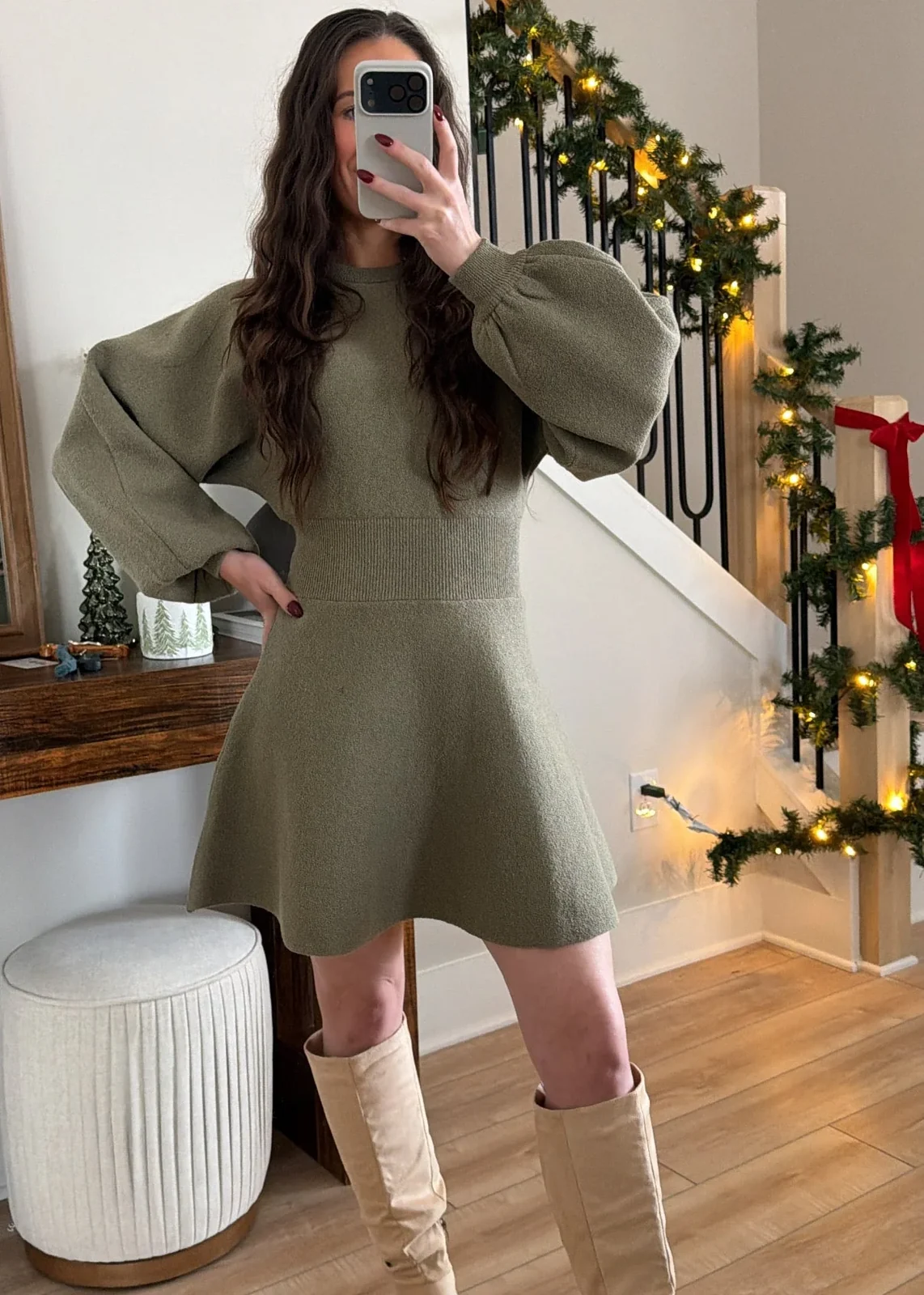
The Après Alps Sweater Dress is described as a relaxed-fit knit with a cinched waist detail, long balloon sleeves with ribbed cuffs, and a subtle flare. Its listed material is 80% polyester and 20% rayon, and the product information says it fits true to size. Use those details to judge whether its silhouette and stated fit fit your plans. For more one-piece options, browse the dresses collection and compare details with the outfits you actually wear.
Keep a Short List and Revisit It
Finish by recording three things: combinations you want to repeat, pieces that are underused but worth trying differently, and genuine wardrobe gaps. Keep the list specific enough to guide a decision. “Need more clothes” offers no direction; “need a layer that works over two sleeveless dresses” is actionable. You can also note what made an outfit fail, whether that was comfort, proportion, temperature, or the demands of the day.
Revisit the list after wearing a few of your tested outfits. Your routine may change, or a combination that looked promising in front of a mirror may not feel practical once you wear it. Treat the notes as a working reference, not a set of rules. If you buy something later, check the garment’s product details for fabric, fit, and features, and let the garment care label remain the final authority on care. A useful reset leaves you with clearer choices, not pressure to replace everything.