Stripes can feel like a statement, but they work best when you treat them as one clear element in an outfit—not a puzzle to solve. Start by noticing the stripe’s width and direction, then choose a solid companion that gives the eye somewhere to rest. These small decisions make it easier to wear a striped piece more than once, with different combinations and for different kinds of days.
Start with the scale
Stripe scale means the width of each stripe and the amount of space between them. Fine, closely spaced stripes often read as a subtle texture from a few steps away. Broad stripes make a more immediate visual statement. Neither is automatically easier to wear; the useful question is how much attention you want the garment to draw and what else is already happening in your outfit.
For a low-key starting point, let a fine stripe be the only pattern and keep the rest of the clothing visually simple. If the stripes are bold, try a clean, uninterrupted solid beside them rather than introducing another print. Check the garment in natural light if possible: narrow stripes can blend at a distance, while high-contrast bands may look stronger than they did up close. That quick visual check helps you choose companions with intention.
Notice which way the stripes run
Horizontal, vertical, and diagonal stripes create different visual rhythms. Horizontal lines move the eye across the garment; vertical lines lead it up and down; diagonal lines add a sense of movement. These are observations about visual direction, not rules about which bodies can wear which stripes. The best test is how the garment feels to you in a mirror and in motion.
Consider the whole shape, too. Stripes on a top may be interrupted by a neckline, sleeves, or a hem, while stripes on a skirt or dress cover a larger area. If you are unsure, start with one striped item and let the rest of the outfit stay quiet. When comparing options, browsing the tops collection can help you think about stripe placement near the face, while a striped lower half may feel like a more measured introduction. There is no need to make direction carry more meaning than it does.
Give the pattern a solid companion
A solid garment gives a striped piece room to stand out without competing for attention. Choose a shade that appears in the stripes for a coordinated effect, or use a neutral already in your closet to keep the pairing straightforward. If you do not have an exact match, a nearby tone can still feel considered; it does not need to be a perfect color match.
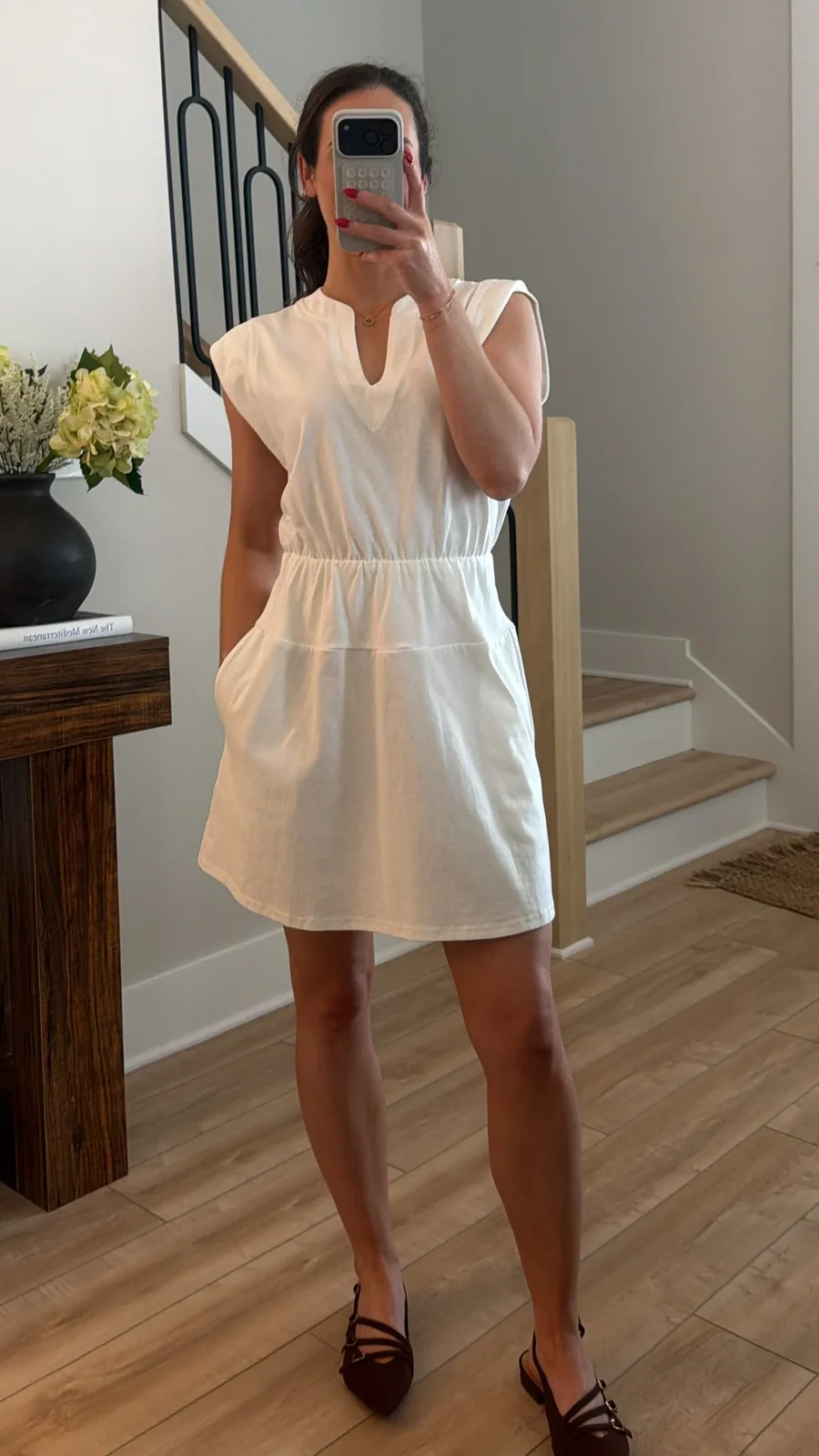
Balance the amount of visual activity. A striped top with a simple bottom is an easy formula, as is a striped skirt with a plain top. The bottoms collection offers a place to explore lower-half options, but check each item’s listed color and details before treating it as a solid. For a soft, simple silhouette, the Isla Cotton Dress is described as a neutral-toned dress with an easy fit. Use its listing to confirm details, and consider it as a companion only if its actual color works with your striped piece.
Decide whether to mix patterns
You do not have to pair stripes with another pattern to make an outfit feel styled. A solid companion is often the clearest choice, especially when you are learning how a stripe behaves on your own. If you do want to mix patterns, look for a difference in scale and a color that connects them. For example, a narrow stripe beside a larger, more open pattern may be easier to read than two patterns with similar spacing.
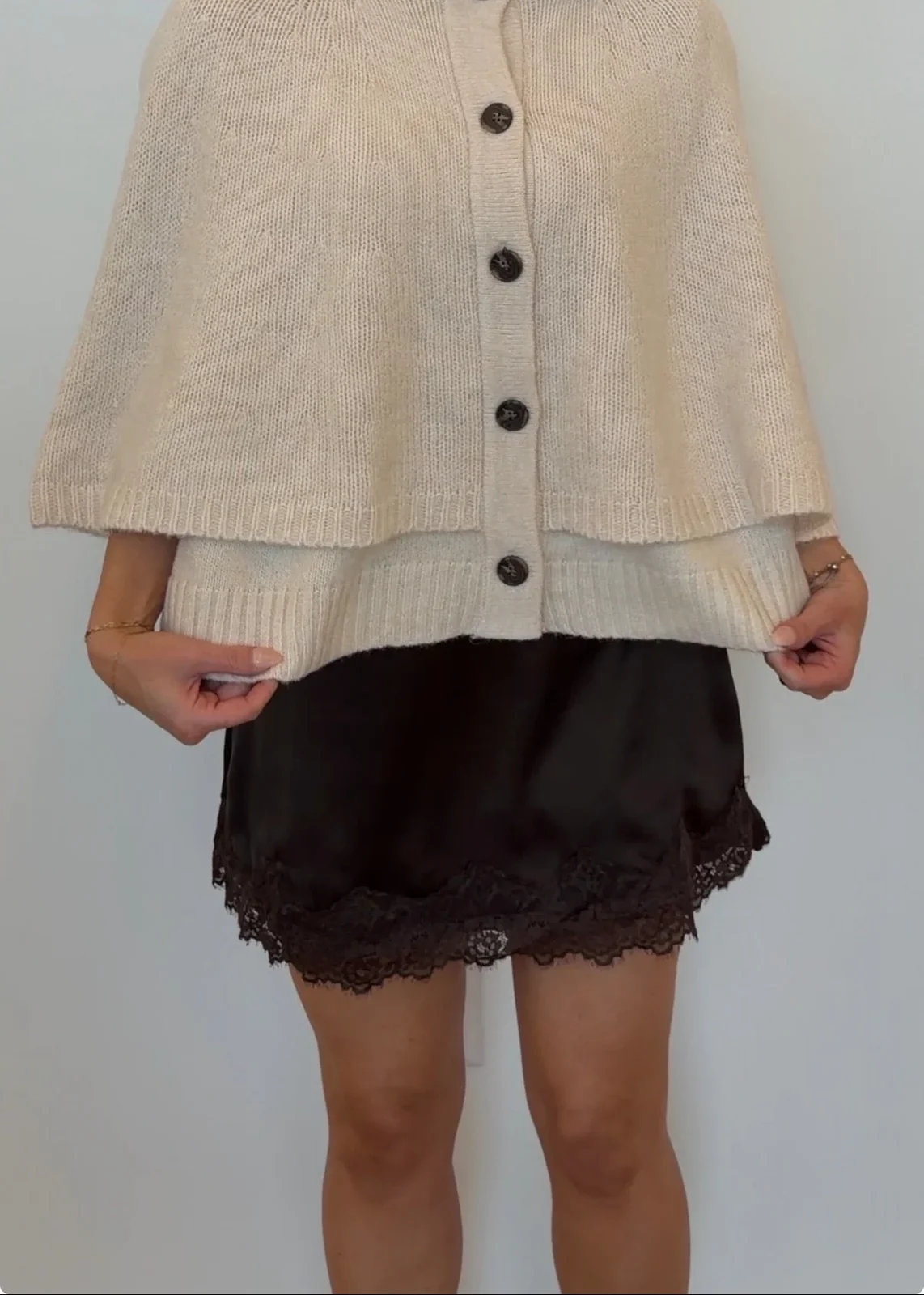
Keep the mix limited at first: one striped garment, one secondary pattern, and otherwise simple clothing. Step back from the mirror to see whether the patterns remain distinct or blur into visual noise. If the outfit feels busy, remove one pattern rather than adding another element to balance it. When considering a piece such as the Fall Flair Lace Skort, remember that its listing describes lace trim and shorts underneath—not stripes. Check its actual color and styling details before pairing it with a striped garment.
Build a few repeatable combinations
Repeatable outfits begin with a reliable shape, not a long list of styling rules. Try a striped top with a solid bottom, then reverse the proportions with a striped lower half and a plain top. Keep notes on combinations you reach for: the stripe scale, direction, and solid color can help you recreate the balance later without starting from scratch.
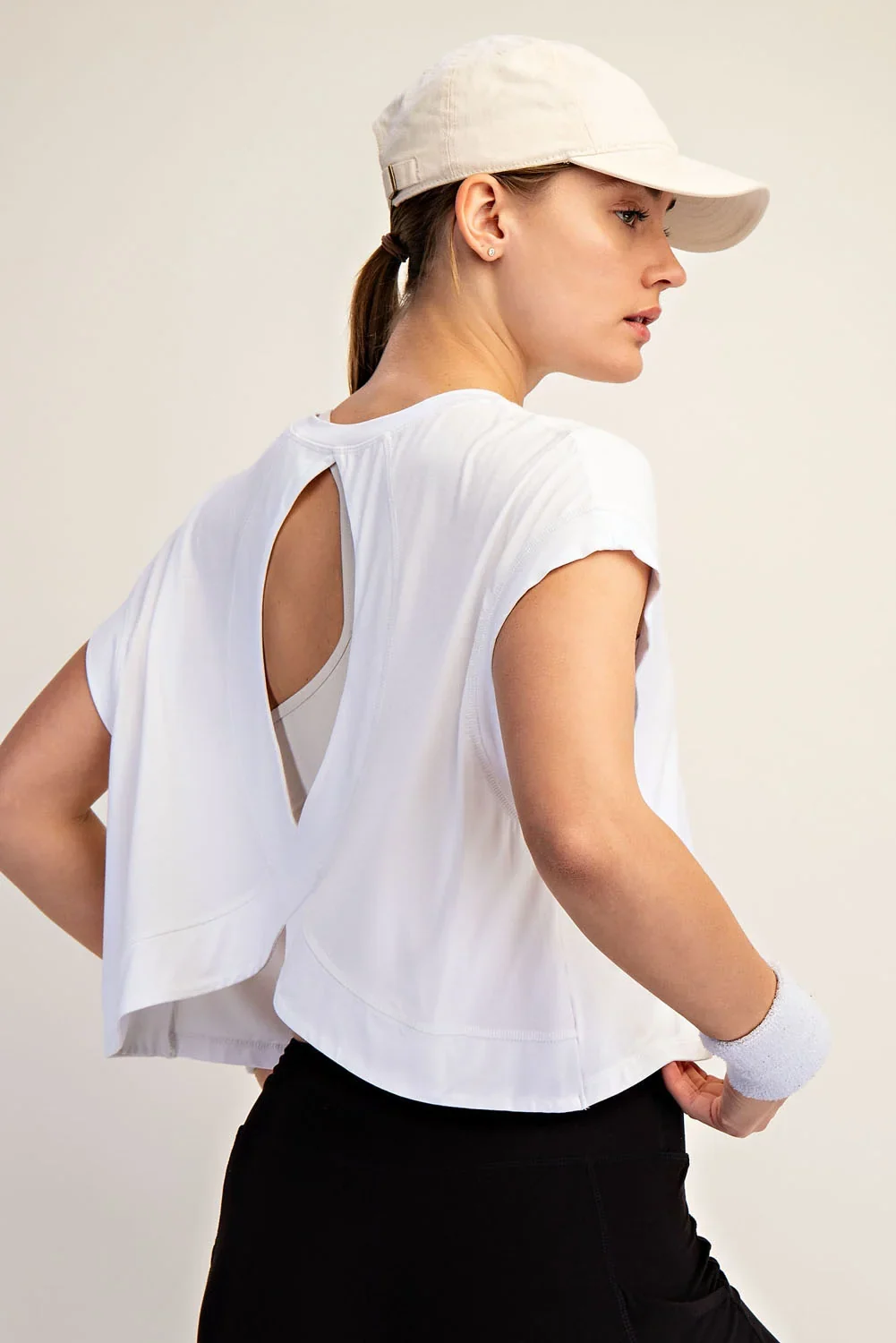
Think about your day, too. For movement or layering, the Airflow Open-Back Athleisure Tee is described as a relaxed-fit, slightly cropped tee with an open back. Its listing does not identify it as striped, so use it as a possible companion only if the color and details suit your outfit. Check the product page for the full description and sizing information. A useful outfit formula is one patterned garment, one solid garment, and a shape you already know how to wear. Repeat the formula with different stripe scales to keep it from feeling like a uniform.
Make the final check in the mirror
Before heading out, check the outfit from a few steps away. Can you identify the striped piece right away? Does the solid companion give it breathing room? If two patterns are involved, can you still distinguish each one? These questions are more useful than trying to follow a universal rule about stripe direction or body shape. Adjust one thing at a time—switch the solid, change which garment carries the pattern, or simplify the combination.
For online shopping, read the product description and sizing details rather than guessing from a styling image. A named item’s listed material, features, and fit can help you decide whether it suits your plans, but they do not confirm how it will pair with a separate garment. Check color and pattern details on the actual listing. If you buy a striped piece, follow its care instructions; the garment care label is the final authority. With a clear sense of scale, direction, and a few dependable solids, stripes become easier to wear on ordinary days as well as planned ones.