A dress can make getting dressed feel straightforward, but real days rarely follow one neat plan. You might leave home in cool morning air, spend an hour on your feet, and end up somewhere that calls for a slightly more polished look. The answer is not a complicated outfit formula. Start with a dress that suits the day, add a layer you can take off or put back on, and make sure its length suits where you will walk.
Then make a few small adjustments rather than rebuilding the outfit from scratch. A changed sleeve, a different layer, or a quick check of the hem can shift the feel without making the clothes less comfortable. Here is a practical way to think through those choices before heading out.
Start with the day, not the dress code
Before choosing a dress, picture the day in ordinary terms: how much walking is involved, whether you will be indoors or outside, and whether the temperature is likely to change. Those details are more useful than trying to label the whole day casual or dressy. A relaxed afternoon at home and a day of errands may both call for casual clothes, but one may involve far more time on your feet.
Think, too, about how much adjusting you are willing to do. If you expect to move between places, a dress that is comfortable when sitting and standing can be easier to wear than one that needs constant tugging or smoothing. Check the product details for fabric, fit, length, and any closures, then consider how those details fit your plans. A description can help you narrow the choice, but your own preferences and the specific garment’s information should guide the final decision.
For a relaxed starting point, browse the dresses collection and compare the details rather than choosing by appearance alone. Consider whether the shape gives you the range of movement you want and whether the neckline or sleeve feels right for the places you will visit.
Build in a layer you can actually use
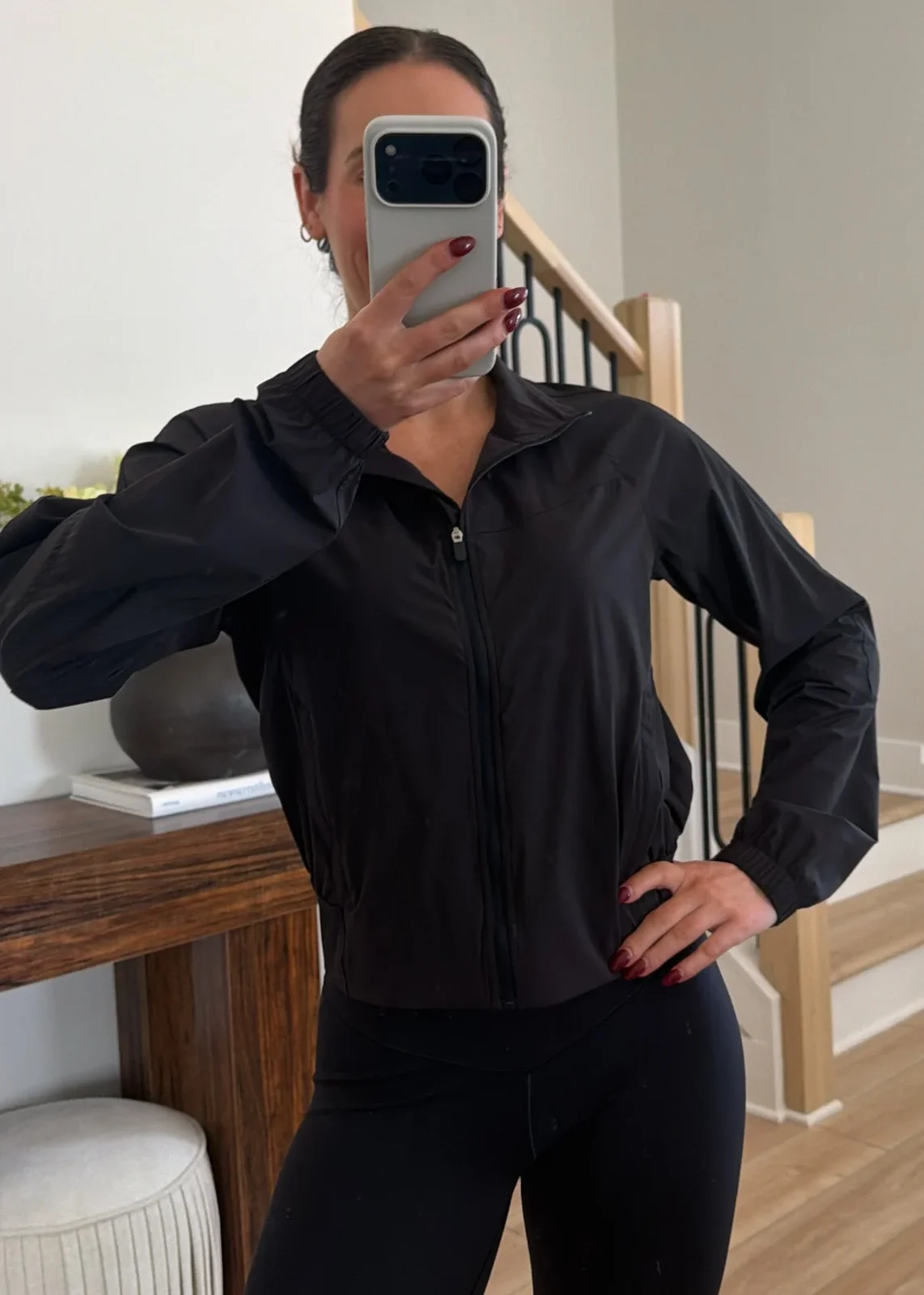
A useful layer is one you will want to keep on, carry briefly, or put back on later. A light jacket can help when the air feels cool or when you want another layer between you and indoor air conditioning. For a day that includes movement or travel, the Everyday Move Jacket is described as lightweight, with a full zip front, high collar, zippered side pockets, and elastic cuffed sleeves. Those listed features make it worth considering when you want a zip-front layer with pockets; check its full product details for fit and fabric information.
Layering also gives you a simple way to adjust the outline of an outfit. Worn open, a jacket leaves more of the dress visible. Zipped, it gives the top half a different shape and adds coverage. If you are unsure which will work best, try both versions while standing and sitting. Notice whether the hem and sleeves stay comfortable, and whether the dress still feels easy to move in.
Keep the layer easy to remove. If you will be warm once you start walking, choose something that can be carried comfortably rather than a bulky piece you will have to manage all day. The most practical option is the one that fits the actual forecast and your plans, not simply the one that looks complete in front of a mirror.
Match the dress to the longest part of the day
With a casual dress, the hem and overall shape can change the mood, but ease should come first when you expect to be on your feet. Think about the longest stretch of walking rather than the shortest stop. Consider how the dress moves at your natural pace and whether its length suits the plans already on your calendar.
Check the hem as you take the steps you expect to take. A dress that clears the ground when you are standing still should also feel manageable as you walk and use stairs. If the hem catches underfoot or you find yourself holding it out of the way, choose a different dress for that day. Practicality is not a compromise if it lets you move without thinking about every step.
Color coordination can stay uncomplicated. A quiet neutral layer can let the dress remain the focus, while a color already present in the outfit can make the combination feel intentional. There is no need to match every element exactly. A quick look in natural light can help you decide whether the contrast feels comfortable to you.
Keep the outfit comfortable through changing plans
A dress that works for an entire day should be comfortable in more than one position. Sit down before you leave and check whether the waist, neckline, sleeves, or hem need attention. Walk a few steps and reach naturally. This small test can reveal a bothersome detail before you are away from home. If a garment needs frequent adjusting in the fitting room or at home, it may not be the easiest choice for a busy schedule.
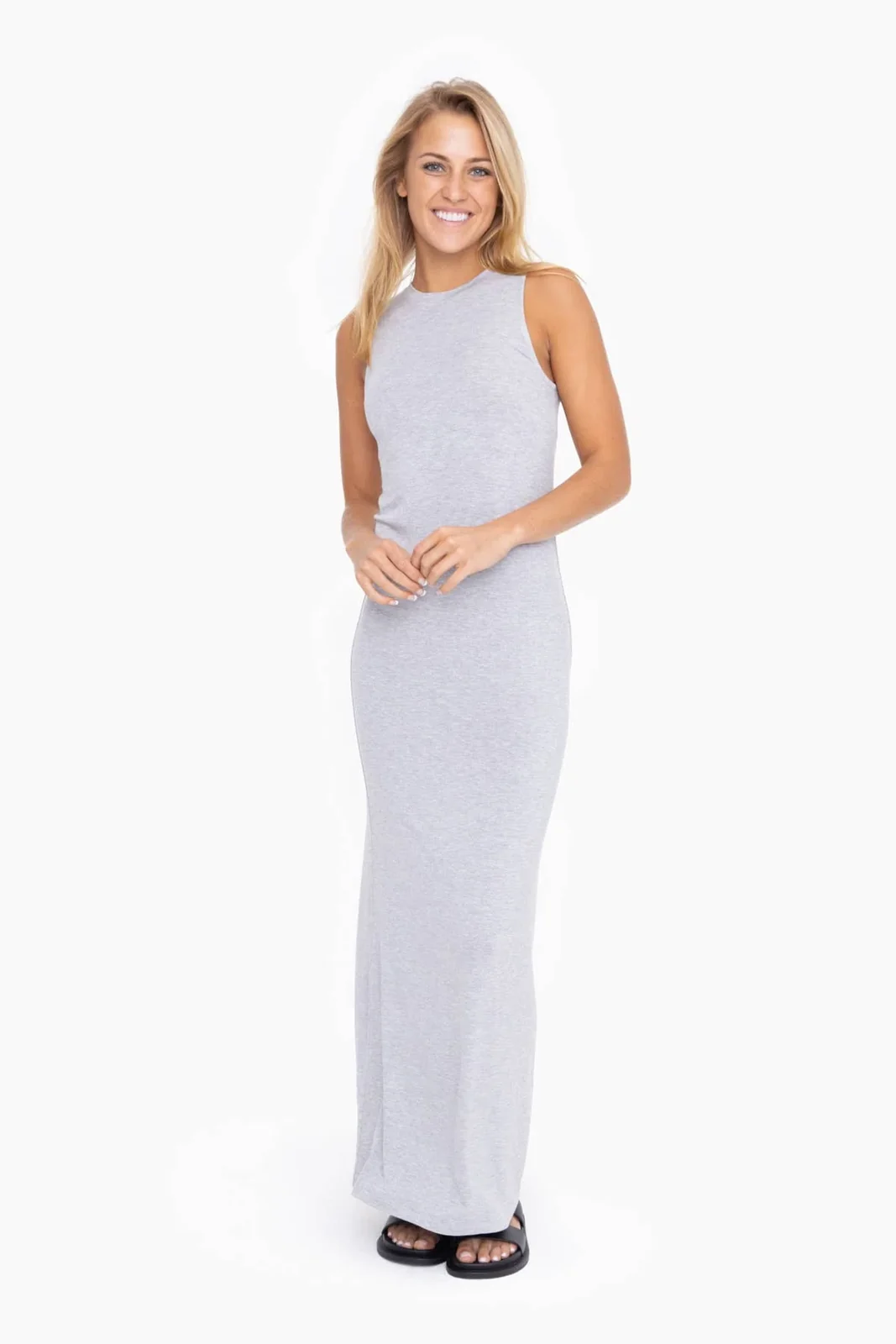
The Baytowne Warf Maxi Dress is described as a casual maxi dress with a keyhole detail at the back and a soft, drapey rayon blend containing 95% rayon and 5% spandex. Its source description says it fits true to size. Those are useful reference points, but comfort is personal, and the product details are the place to confirm information before choosing a size. Consider the length and back detail in relation to your own preferences and the setting for the day.
When checking any garment, read its care information before washing or drying it. Fiber content alone does not determine the right care method; the garment care label is the final authority. That simple check can help you plan for a piece you expect to wear often without relying on assumptions.
Use small styling adjustments, not a full reset
Once the dress and layer feel right, try one adjustment at a time. Roll or push up sleeves if the layer allows it. Zip or unzip the jacket depending on temperature and how much coverage you want. If the dress has a defined waist or a naturally relaxed shape, let that construction guide whether you want another layer over it. The aim is to make the outfit suit the day, not to add details just to make it seem styled.
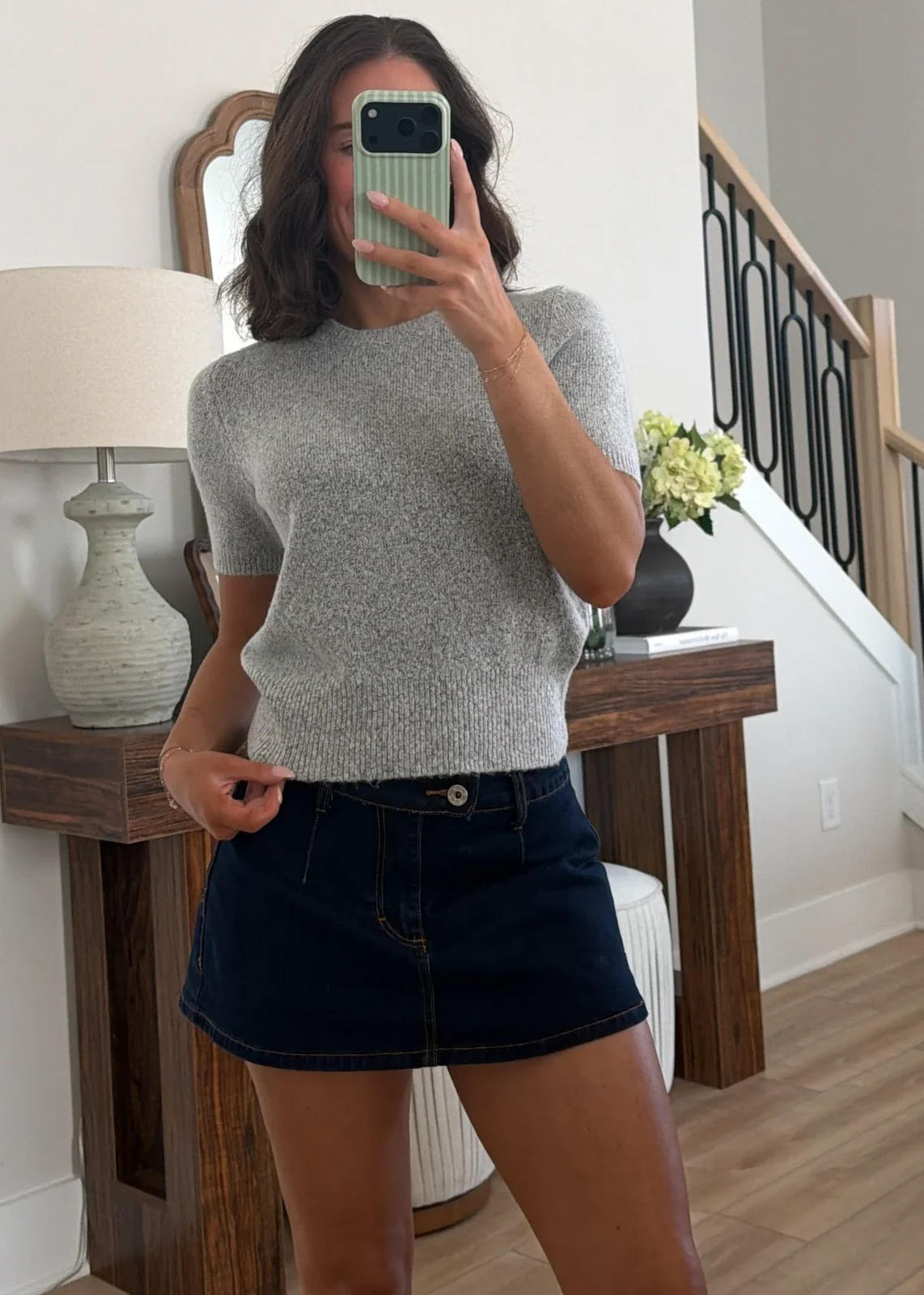
For a casual dress with a simple silhouette, a short-sleeve knit can also create a different look when worn as a layer. The Aspen Knit Sweater Top is described as a light-gray, short-sleeve knit with a crew neckline and stretchy material; its product details say it fits true to size or slightly smaller. The description suggests pairing it with denim or trousers, so if you are considering it with a dress, check the proportions and fit on your own outfit rather than assuming every dress will layer comfortably beneath it. The knitwear collection offers another place to compare garment details when you are thinking about a softer layer.
One change is often enough. Too many layers can make a warm day uncomfortable, while extra styling steps can make a simple outfit feel less useful. Keep what helps with temperature, movement, or the places you will be going, and leave the rest out.
Make a quick exit check
Before you leave, take a moment to check the practical details. Can you walk freely? Does the hem stay clear as you walk? Is the layer comfortable zipped and open? Are you dressed for the temperature you are likely to encounter, with a reasonable option if it changes? These questions take less time than changing outfits after the day has started.
If your plans shift, adjust only the part of the outfit that needs it. Add the layer when you feel cool, take it off when you warm up, or choose a different dress before a long walk. A casual dress formula should make those decisions easier, not lock you into one look.
The most dependable version is simple: a dress you feel comfortable moving in, a light layer suited to the weather, and a shape that matches the day’s demands. With those pieces chosen for real plans, a casual dress can feel considered without asking for much effort.