
Fabric names can be useful clues, but they are not a substitute for the details that matter when choosing a garment: its fiber content, construction, fit notes, and care instructions. Modal and scuba-style fabric are two terms shoppers may encounter, and each points to a different kind of information. Modal names a fiber; scuba usually describes a type of knit construction or fabric feel. Neither word alone tells you exactly how a particular piece will drape, stretch, or feel against your skin.
A good way to shop is to read the whole description rather than decide from a fabric name. Look for the material percentages, garment measurements or fit guidance, and practical features such as a lining, waistband, or closure. Then check the care label when the garment arrives. The label is the final authority for care, regardless of what a fiber or fabric term might suggest.
Modal is a fiber, not a complete fit description
Modal is a manufactured cellulosic fiber made from cellulose. In clothing, it is often valued for a smooth hand and soft drape, but the experience depends on the full fabric and the way the garment is made. A modal garment might be blended with other fibers, knitted or woven, light or substantial. The word modal by itself does not tell you whether a top is fitted, whether a skirt holds its shape, or how much stretch the fabric has.
Check the listed fiber content for percentages and any accompanying fibers. A blend can behave differently from a garment made primarily of one fiber. Also look at the item’s cut and construction. A relaxed shape, elastic waist, or close-fitting bodice can have more influence on how a piece wears than the fiber name does. If the description does not include measurements or enough fit detail, treat that as information you still need—not as a reason to assume a particular result.
Scuba usually points to a knit structure or feel
In apparel, “scuba” commonly refers to a smooth, compact knit with some body. It is not one universal fiber recipe. Scuba-style fabrics are often made with synthetic fibers and may include stretch fibers, but the composition varies from garment to garment. Read the material line rather than assuming that every piece called scuba has the same ingredients or performance.
That fuller hand can help a garment hold a defined shape, though thickness and stretch vary. A scuba-style dress, for example, may sit differently from a lightweight jersey dress even if both have stretch. Consider whether the description mentions structure, stretch, or a close fit, and look for specific notes about length and proportions. If you prefer a fluid, airy drape, the listed fabric weight and construction are worth checking before you choose.
Use the product description as a set of clues
Descriptions are most helpful when several details work together. Start with the material percentages, then note the silhouette and any construction details. “Stretchy” tells you that the fabric has give, but not how much; “structured” suggests more shape, but does not specify thickness. When a listing provides both a material breakdown and a fit note, use them together rather than treating either phrase as a promise of an exact feel.
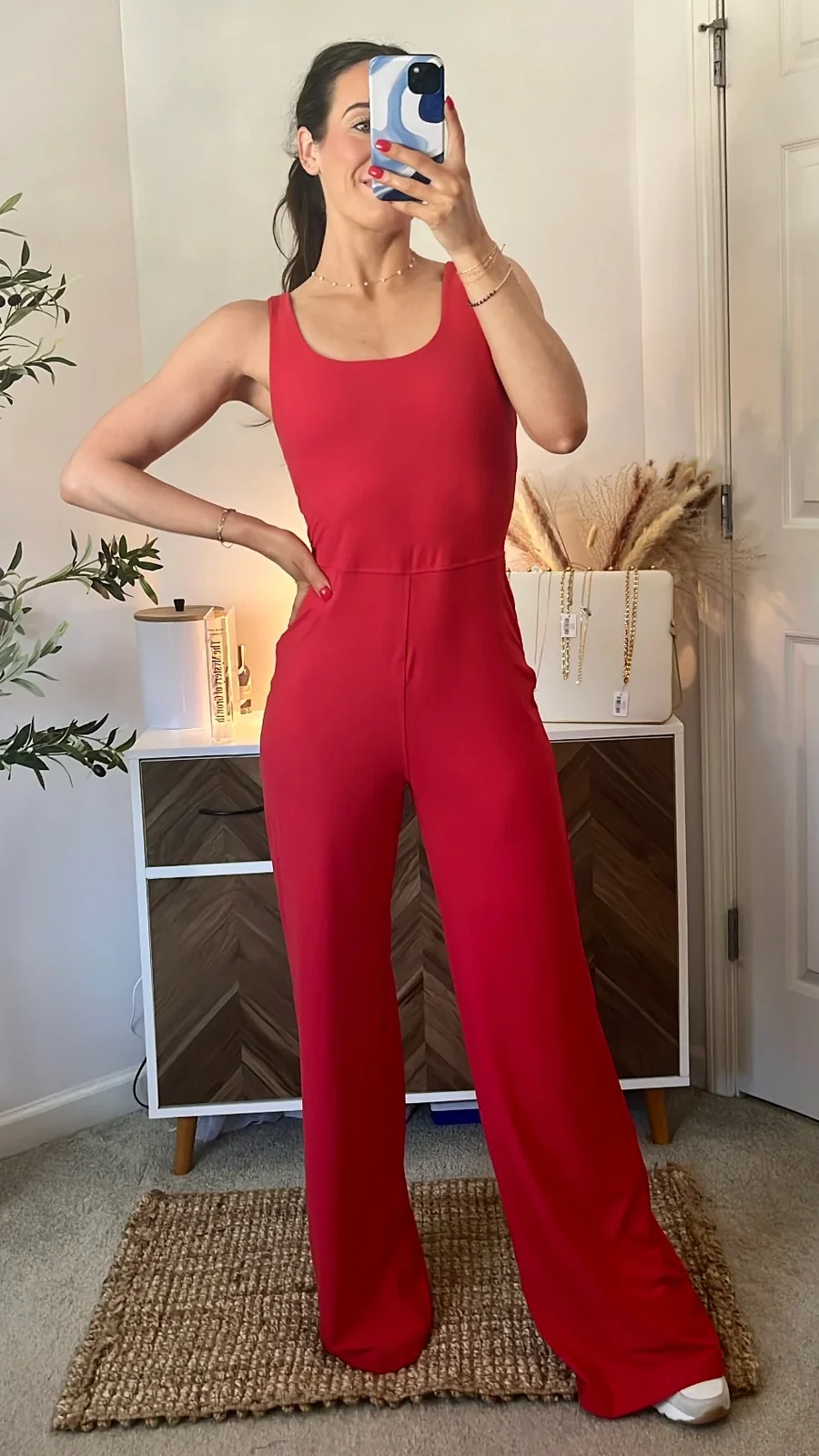
For a practical comparison, consider the Sunset Stretch Jumpsuit. Its description lists 84% recycled polyester microfiber and 16% spandex, along with four-way stretch, a wide-leg shape, and a TTS/long fit note. Those are specific details you can use to think about stretch and length. They do not make it a modal or scuba garment, and they do not establish how another fabric will feel. They show why composition and fit notes are more informative than a broad fabric label alone.
Fit notes matter as much as the fiber
Fabric affects how a garment moves, but cut and sizing determine where it sits on your body. “Fits true to size,” “slightly oversized,” and “long” each offer a different kind of guidance. Check which size the model wears when that information is available, but remember that the model’s size is a reference point, not a substitute for your own measurements. For a more confident choice, compare garment measurements with a piece you already own that fits the way you like.
Think about the area where you need the most information. For pants, that might be the rise, inseam, or waist construction; for a fitted top, it could be the bust and shoulder. A fabric with stretch may accommodate movement, but stretch does not necessarily mean a garment will fit loosely. For an example of a different fit note, the Serene Sleep Pajama Set is described as slightly oversized, and its material is listed as 100% polyester. Those facts are useful for that set only; they are not a guide to modal or scuba fit.
Care instructions can change the equation
Before buying a piece you expect to wear often, find out whether the listing gives care information and plan to read the garment’s care label. Fiber names alone do not determine a safe washing or drying method. Fabric blends, finishes, lining, and construction can all matter, so avoid assuming that two garments with similar fiber content should be cared for identically.
The care label is the final authority. Follow its instructions rather than relying on general advice based on the word “modal,” “scuba,” or any other fabric term. If a label is missing or unclear, contact the retailer or seek qualified garment-care guidance before trying a treatment that could damage the piece. Care expectations are part of the buying decision: a garment that needs more attention may not suit the routine you have in mind.
Compare like with like when fabric names differ
It helps to compare the details you can verify rather than treating fabric names as a scorecard. Note the fiber percentages, whether the description mentions stretch, and how the garment is cut. Then consider the use you have in mind: do you want a soft drape, a more defined shape, room to move, or a particular length? There is no single best fabric for every purpose, and personal comfort can depend on weight, texture, temperature, and fit.
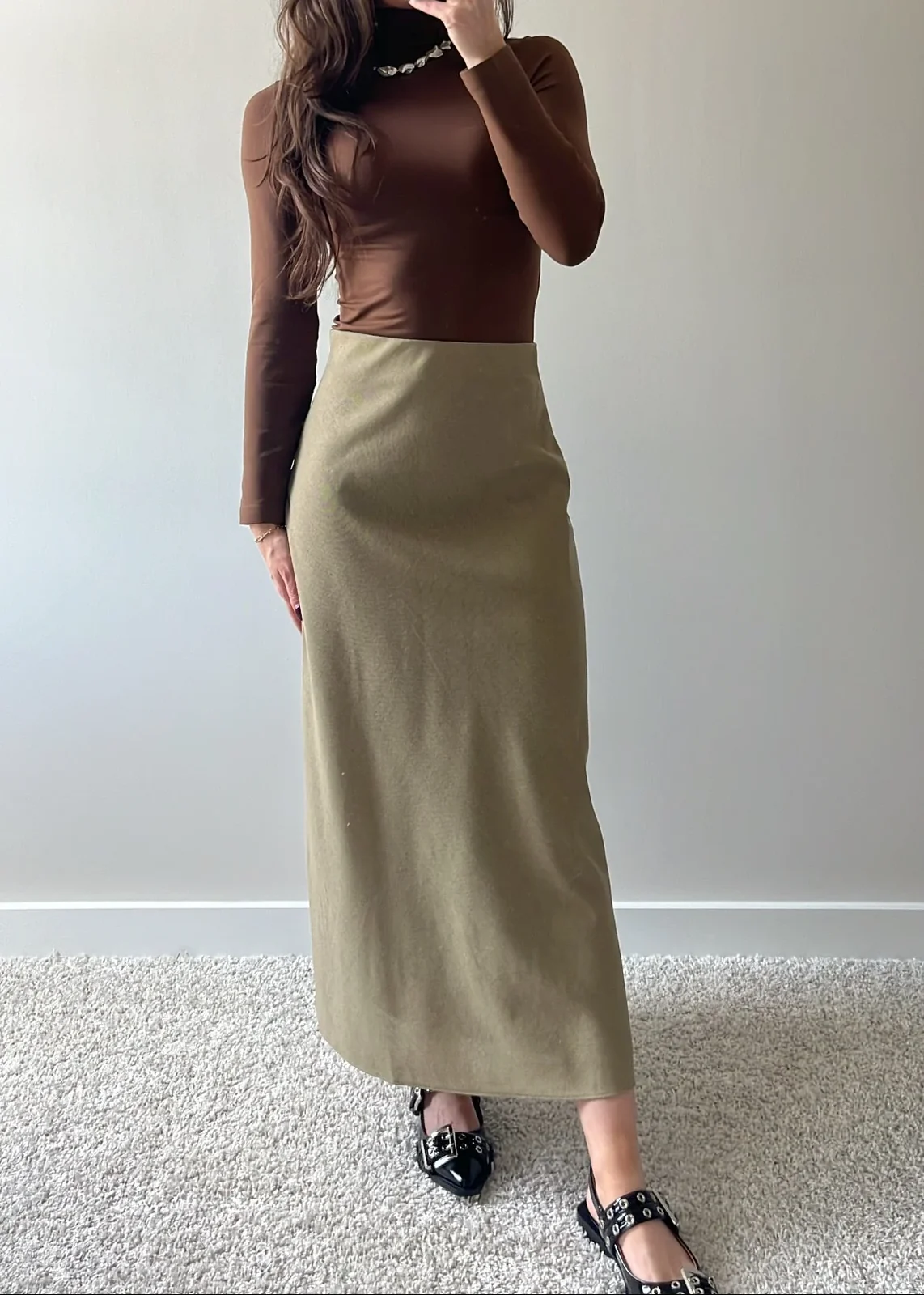
For instance, the Olive Tree Skirt is described as a smooth, structured midi with a high waist and hidden side zipper. Its listed material is 70% viscose and 30% linen. That description gives you a useful example of how fiber content, texture, and garment details can appear together. It does not tell you how modal or scuba will perform; use the same careful reading method for those fabrics. You can also browse bottoms and compare the fit and material details on individual listings.
A short checklist before you choose
When a listing mentions modal or scuba, pause long enough to answer a few practical questions. Do you know the fiber percentages? Does the description say whether the fabric stretches or has structure? Are length and fit notes specific enough for your needs? And do you know where to find the care instructions? If one answer is missing, decide whether you are comfortable with that uncertainty or whether you need more information first.
In short, modal tells you about a fiber, while scuba generally signals a fabric construction or feel. Both terms can narrow your expectations, but neither replaces the full product description. Read the composition, interpret fit notes in context, and let the care label guide garment care. That simple routine makes fabric terminology more useful—and helps you choose based on the actual piece rather than a name alone.