
A color can look appealing on a product page and still be difficult to work into your week. Before choosing a new shade, look at the clothes you already reach for, the light where you get dressed, and the combinations you can picture wearing more than once. This turns color selection into a practical wardrobe decision rather than a guess.
Start With the Clothes You Already Wear
Open your closet and notice which pieces leave their hangers most often. Look for patterns in their colors, not just the shades you think you should wear. You might find that you repeatedly choose soft neutrals, deep colors, or a few brighter tones. Your own habits are more useful than a color rule that does not fit your routine.
Next, identify the colors that appear in several of your frequently worn garments. These are useful clues about what already works together in your wardrobe. If most of your everyday tops are muted, a very vivid new shade may require more thought. If you regularly wear strong colors, another saturated piece may be easier to combine than an unfamiliar pale neutral.
Take a quick inventory rather than trying to assign your closet a perfect palette. Write down three colors you wear often and two you rarely choose. The goal is not to banish less-used colors; it is to understand whether a new piece fills a real gap or repeats a choice you tend to leave unworn.
Use Existing Outfits as a Color Test
Before buying, picture a specific outfit using clothes you already own. Ask which bottoms, layers, or other garments could work with the new color. If you cannot name even one likely combination, pause and check whether you are drawn to the item itself or to the way it is styled in a photograph.
For a more reliable test, lay two or three familiar pieces together with a garment in a similar shade. A top in a new color should make sense with bottoms you actually wear, not only with an ideal outfit you have yet to assemble. A skirt or dress should also suit the kinds of layers you reach for in the conditions you dress for.
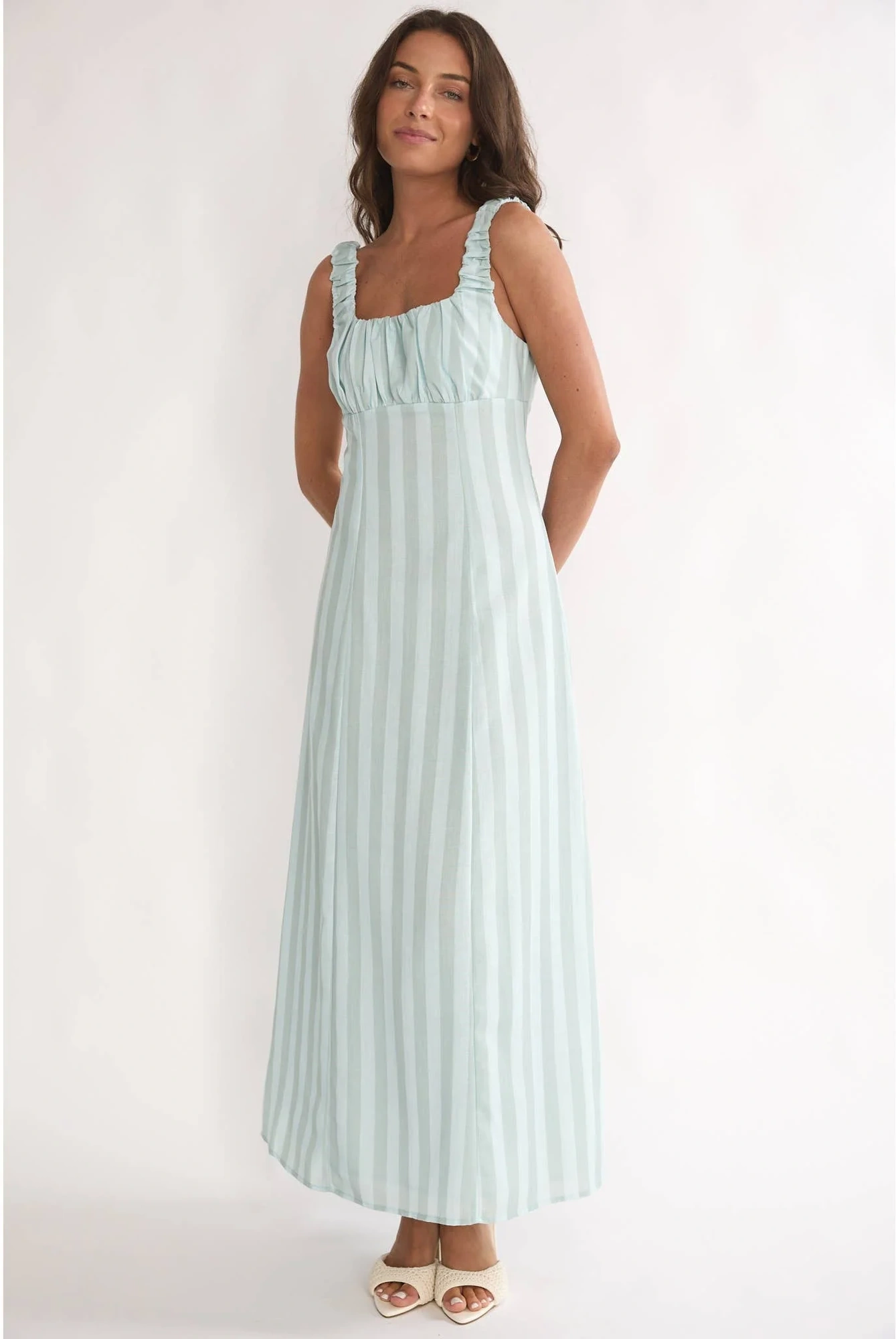
Patterns can help you think about color relationships, too. The Ocean Showers Maxi Dress has vertical stripes in slightly darker and lighter shades, offering a reminder that a garment’s colors may work as a group rather than as a single flat tone. For other choices, browse the dress collection while considering how each option fits your existing combinations.
Check Color in the Light Where You Get Dressed
Color can shift in appearance between a screen, a fitting room, and a home. A phone or computer display is useful for browsing, but its brightness and settings may affect what you see. When possible, check the garment in natural light as well as the indoor lighting you use most. Notice whether the shade still feels right in both settings.
Think about when and where you usually wear the piece. A color that feels easy in daylight may look different under warm indoor bulbs. If you dress early in the morning or often move between indoor and outdoor settings, consider whether the shade remains comfortable to wear across those situations. There is no need to find one perfect lighting condition; the point is to avoid deciding from a single glance.
For online browsing, use available product images and written descriptions as separate sources of information. Images can show how colors sit together, while the text may clarify a pattern or other visible details. If a shade is hard to judge on screen, give yourself room to compare it with familiar garments in person before deciding whether it belongs in your regular rotation.
Separate a Color Crush From a Wardrobe Need
Being drawn to a color is a good starting point, but it does not answer whether you will wear it. Think about the last few outfits you chose and whether the new shade would have fit into any of them. A color may be appealing because it feels fresh, yet still ask you to change more of your usual wardrobe than you want to.
Try a simple two-part question: “What would I wear this with?” and “When would I wear it?” Specific answers are stronger than general ones. “With the dark skirt I wear to work” gives you a real pairing to assess. “For someday” may signal that the piece has no clear place in your current routine.
Do not dismiss an unfamiliar color automatically. Instead, identify one low-effort combination that would help you test it. A neutral layer or a familiar bottom may make the shade feel more approachable. If you cannot find a combination without buying additional pieces, weigh that extra wardrobe work against how often you expect to wear the item.
Consider Fabric, Shape, and Color Together
A color does not exist apart from the garment carrying it. The same shade can read differently across a smooth surface, a knit texture, or a pattern. Product descriptions can help you understand the details that photos may not show clearly, including fabric information, neckline, and construction. Check those details before deciding that color alone makes a piece right for you.
For example, the Autumn Essentials Long Sleeve Top is described as double layered, with jersey knit and a square neck. Those are useful details to consider alongside its color when you imagine how it might fit into outfits. The product information also lists a material blend and says the fit runs true to size or slightly small; consult the listing for the full details.
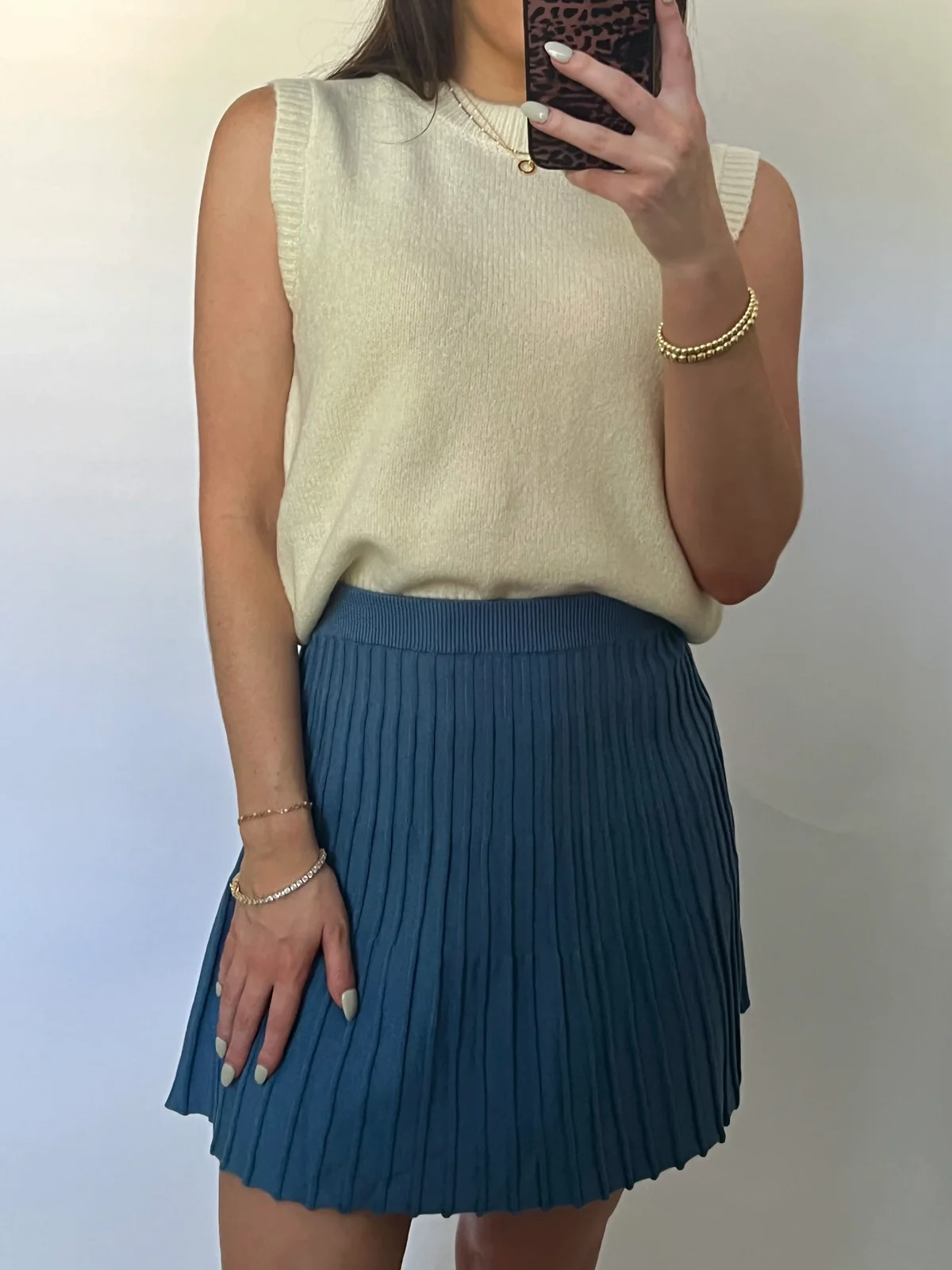
Similarly, the Alpine Adventure Knit Pleated Skirt is described with a soft ribbed texture and pleated detail. If you are considering color in a textured piece, think about whether you want that texture to stand out or sit quietly with the rest of an outfit. For related options, the knitwear collection can help you compare pieces while keeping your wardrobe needs in view.
Make a Small, Honest Color Plan
Keep your plan simple enough to use. Note the colors you wear frequently, the shades you want to try, and the garments already in your closet that could pair with them. A short list can make browsing more focused without turning personal style into a strict set of rules. Update it when your routine or preferences change.
Before making a decision, check the product details and compare the color with the combinations you have identified. If you need information that is not listed, avoid assuming it from a photograph; use the available product information to guide your choice. For any garment, the care label is the final authority on care, so check it rather than drawing instructions from a fiber name alone.
Choose colors for the life your clothes need to fit: the outfits you repeat, the light you dress in, and the pieces already waiting in your closet. A thoughtful choice does not have to be adventurous or neutral. It simply needs a believable place in your wardrobe, with enough flexibility to make getting dressed easier.