“Denim” on a product page can describe a fabric, a familiar look, or both. The word alone does not tell you how a garment will sit, fasten, move, or compare with something already in your closet. A better evaluation starts with details you can verify: the stated material, rise, closure, wash, stretch information, and listed measurements. Those clues help you assess a particular piece without assuming every denim style fits the same way. They are useful for denim-look garments, too, where the appearance may be familiar but the fabric content differs. Read each detail in context, and treat the care label as the final authority for cleaning and maintenance. The goal is not to predict a perfect fit from a photo; it is to make a more informed choice from the information available.
Start with the fabric details
First, check the material listing rather than relying on color or texture in a photograph. Cotton denim and a denim-look fabric may create a similar visual effect but feel and behave differently. If a listing names a fiber, that is a useful fact, not a complete account of comfort or fit. Fabric weight, weave, construction, and the garment’s cut can all affect how a piece feels on your body. When those details are not provided, avoid filling in the gaps with assumptions.
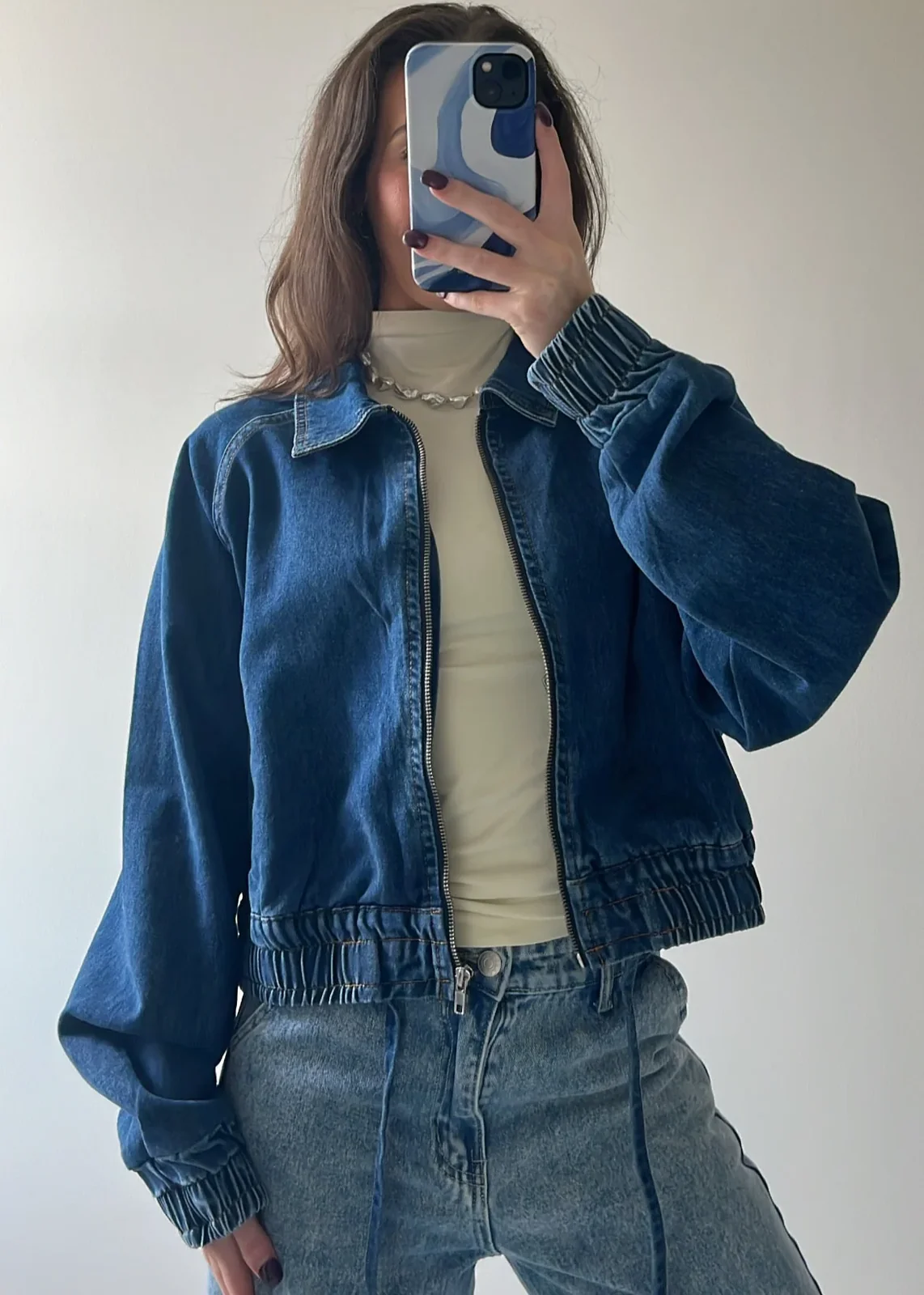
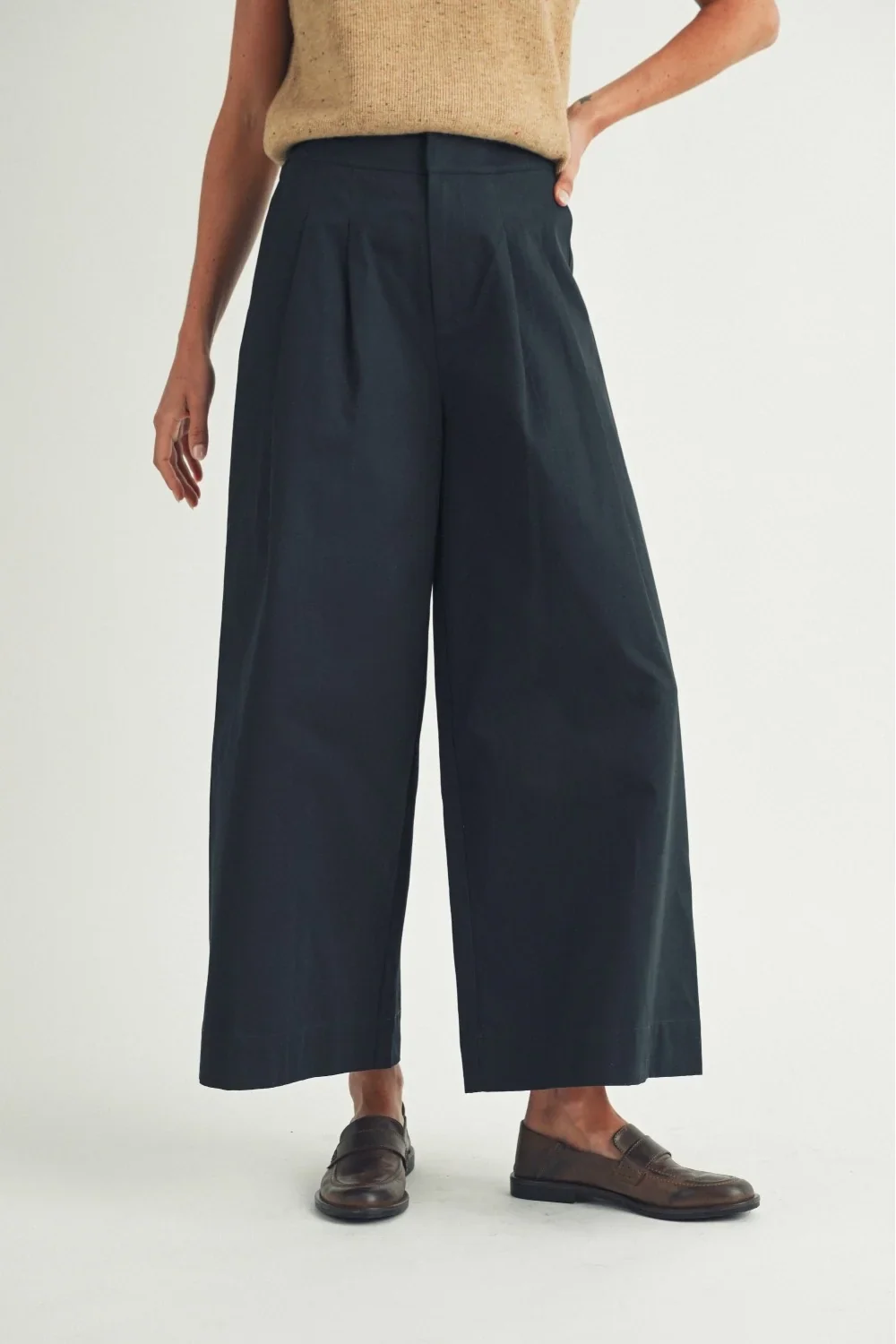
The Denim Blues Zip Up Jacket is listed as 100% denim cotton, with a medium wash and a relaxed, slightly cropped fit. Those stated details give you more to evaluate than the word “denim” alone. For another kind of cotton garment, the Moderna Trouser Pant is listed as 100% cotton. It is not described as denim, which is a reminder that fiber content and fabric appearance are separate pieces of information. Read both, and note what remains unspecified.
Use rise as a fit clue, not a promise
Rise describes the distance from the crotch seam to the top of the waistband. A high-rise cut generally places the waistband higher on the body than a mid-rise or low-rise cut, but labels alone cannot tell you precisely where it will land on you. Torso length, waist placement, and the garment’s actual measurements all influence the result. When rise is provided, compare it with a garment you own that sits where you like; measure that item flat in the same way if possible.
The Moderna Trouser Pant is described as high-rise, with structured pleat detailing. Its listing also notes that the waistband runs slightly small while the pant is loose and oversized. That specific fit note is more useful than treating “high-rise” as a prediction of overall snugness. For a denim piece without a rise measurement, check the listed cut and waist details, then ask whether a comparable garment in your closet sits comfortably at the same point. For further fit context, read how to think about waist placement and fit.
Look closely at the closure
A closure changes how you put on a garment and how its front sits. Product descriptions may specify buttons, a zipper, a pull-on design, or another fastening; photographs can help you locate it, but they may not show every detail. Check whether the closure is named, and look for useful information about the waistband or front construction. If the listing does not say, do not assume the piece has a traditional button-and-zip fly just because it looks like jeans.
The Denim Blues Zip Up Jacket has a stated zip-front closure, so you can assess it as a zip-front layer rather than infer a closure from its denim appearance. That detail may matter when you compare the jacket with pieces you already wear over a top. The Moderna Trouser Pant description mentions side pockets and a high-rise waist, but does not specify a closure. In that case, use the product images and any listed measurements for additional clues, while recognizing what the written details leave open. A clear product description is helpful; unanswered questions are a reason to check before deciding.
Read wash and color with context
Wash describes the color treatment or appearance of denim, not its size or stretch. Terms such as light, medium, or dark wash can help you compare the overall look, but they are not universal color standards. Screens, lighting, and photography can also affect how a shade appears. If the listing gives a wash description, use it as a guide to the intended look rather than an exact promise about the color you will see in person.
The Denim Blues Zip Up Jacket is described as medium-wash denim. Its listing also calls the silhouette relaxed and slightly cropped, with an elasticized hem and cuffs. Consider those details together: wash tells you about appearance, while length and shape tell you more about how the layer may relate to your outfit. A denim-look item in another fiber can have a similar color while wearing differently, so check its material and construction rather than comparing shade alone. If you want to browse related clothing, the outerwear collection offers a relevant place to compare listed descriptions.
Check stretch and movement details
Stretch can affect how a garment moves and how closely it follows the body, but the word should be grounded in the material information. Look for a stated fiber blend or a direct description of stretch. If neither appears, do not assume a piece has give because it looks soft, fitted, or broken in. Likewise, fiber percentages do not tell you exactly how much a garment will stretch or recover. Use the available wording as a clue, not a substitute for measurements or fit notes.
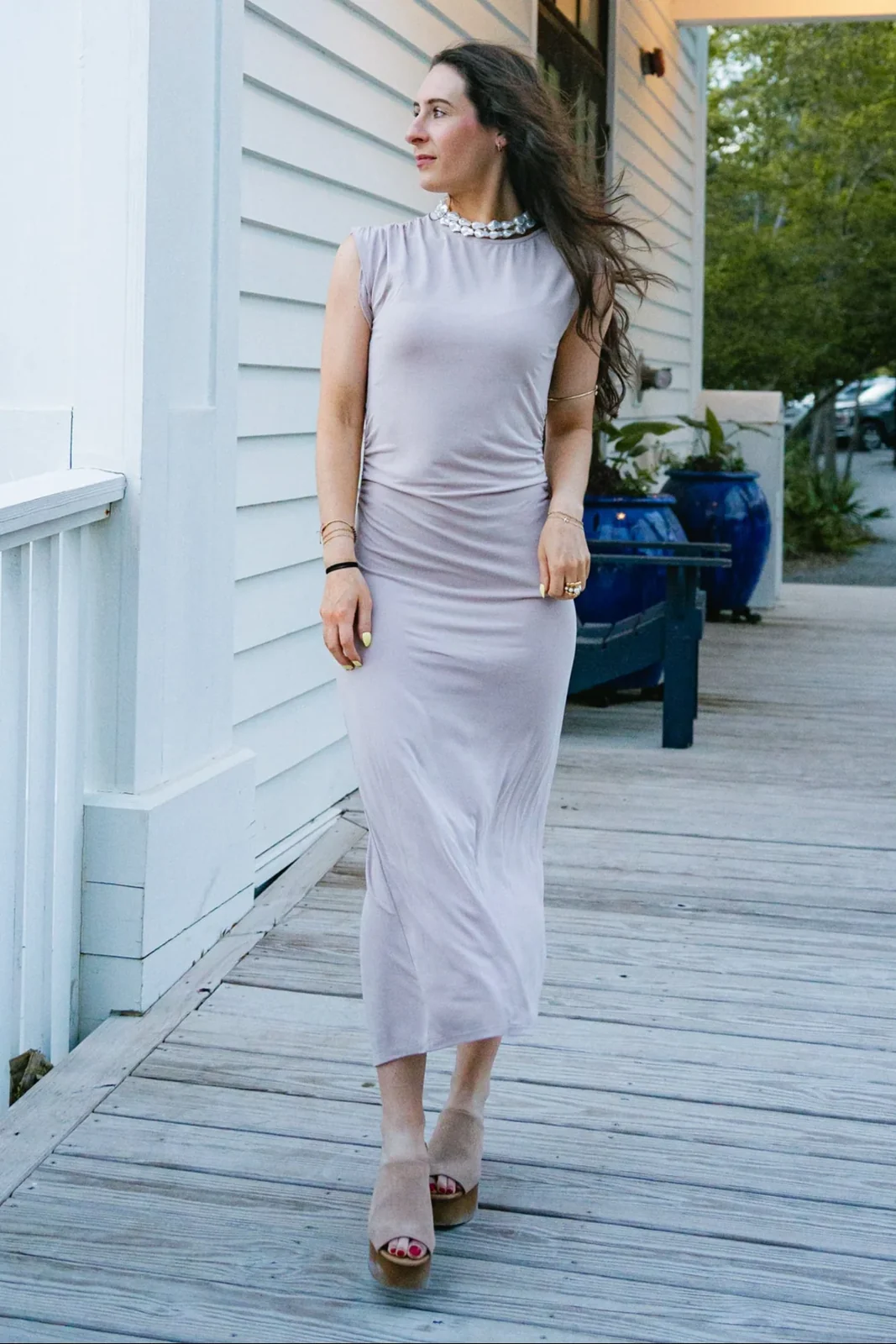
The Salt + Rosè Bodycon Dress is listed as 74% recycled polyester, 24% polyester, and 4% spandex, and its description says it has a flattering fit and cinched side waist. The listing says it fits true to size. These are details about that dress, not evidence that a denim-look garment will stretch in the same way. If comparing a close-fitting style, review its own content and sizing information. You can also browse the dresses collection to compare descriptions, or view the Salt + Rosè Bodycon Dress listing for its stated details.
Compare measurements before deciding
Listed measurements are most useful when you know what was measured and how. Compare like with like: a waist measurement taken flat may need to be doubled to estimate circumference, while a garment’s inseam, rise, or total length describes a different dimension. Check whether the listing provides body measurements or garment measurements; they are not interchangeable. If a measurement is missing, use the other available facts without pretending they answer the question.
For a practical comparison, lay a similar garment flat and measure the same area, keeping the tape placement consistent. A pair of pants that fits well can help you evaluate waist and rise, while a jacket may be better compared by length or width if those details are listed. Do not assume that your usual size will behave identically across fabrics, cuts, or brands. Product-specific fit notes matter: the Moderna Trouser Pant, for example, is noted as slightly small in the waistband and loose through the pant. Check the care label for care instructions once you have a garment; it is always the final authority, regardless of the fiber name. This guide to creating definition with relaxed silhouettes offers another useful lens when considering roomier cuts.