A knit can look relaxed in a photo and still feel quite different on your body. Before choosing one, look beyond the overall styling: silhouette, neckline, sleeve shape, and stated stretch all help explain how a garment may sit and move. Product details are useful clues, not a substitute for your own measurements or preferences. This guide shows what to check, what questions those details can answer, and where to pause when information is missing. The same approach can help when comparing knits with tops or light layers. Take a moment to read the full description before deciding that a size, cut, or fabric will work for you.
Start with the silhouette, not the size label
Silhouette describes the overall shape of a garment: close, straight, relaxed, or oversized. These words set expectations about ease, but they do not tell you exactly how a piece will fit your shoulders, bust, or waist. Look for a fit note in the description and read it alongside the garment’s listed measurements, if available. A relaxed shape usually suggests more room through the body than a close-fitting one, but proportions still matter.
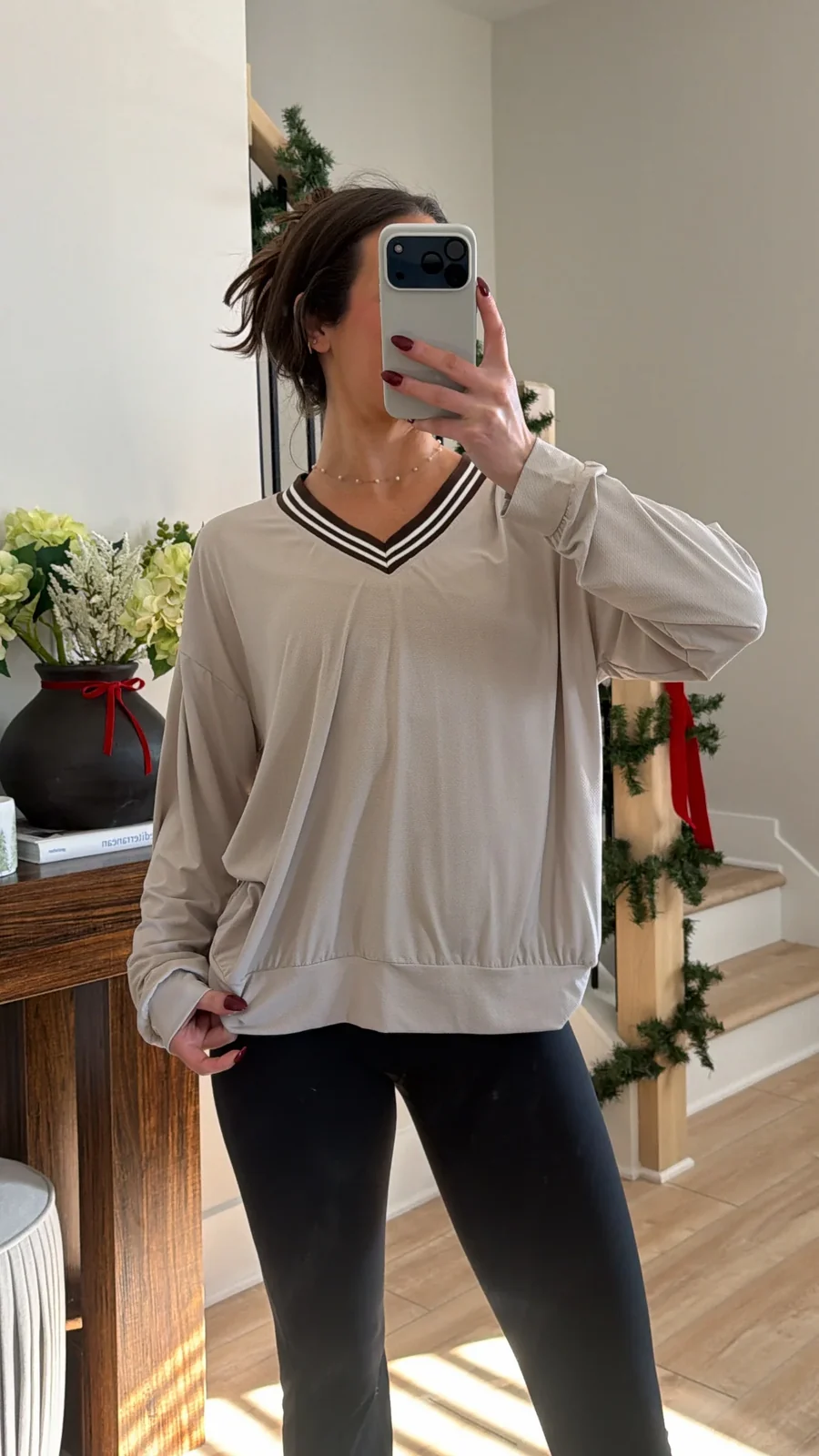
Compare the stated fit with a garment you already like. Lay that garment flat and measure across the chest or body at the same points used in the listing, if those points are provided. Avoid treating a model’s size as a direct recommendation: body proportions and preferred ease differ. For example, the Chalet Comfort Pullover is described as relaxed with subtle drape and as fitting true to size or slightly oversized. That information gives you a starting point, not a promise about how it will sit on you.
Read neckline details as part of fit
A neckline changes the visual balance of a top and can affect how much coverage you prefer. Check the named shape—such as V-neck, crew, or square—and look for details about trim, width, or construction. A neckline description can clarify what you will see at the collar, but it may not tell you exactly where the opening will fall. If the product page does not provide measurements or a close view, treat that as unknown rather than filling in the gap from a styled photo.
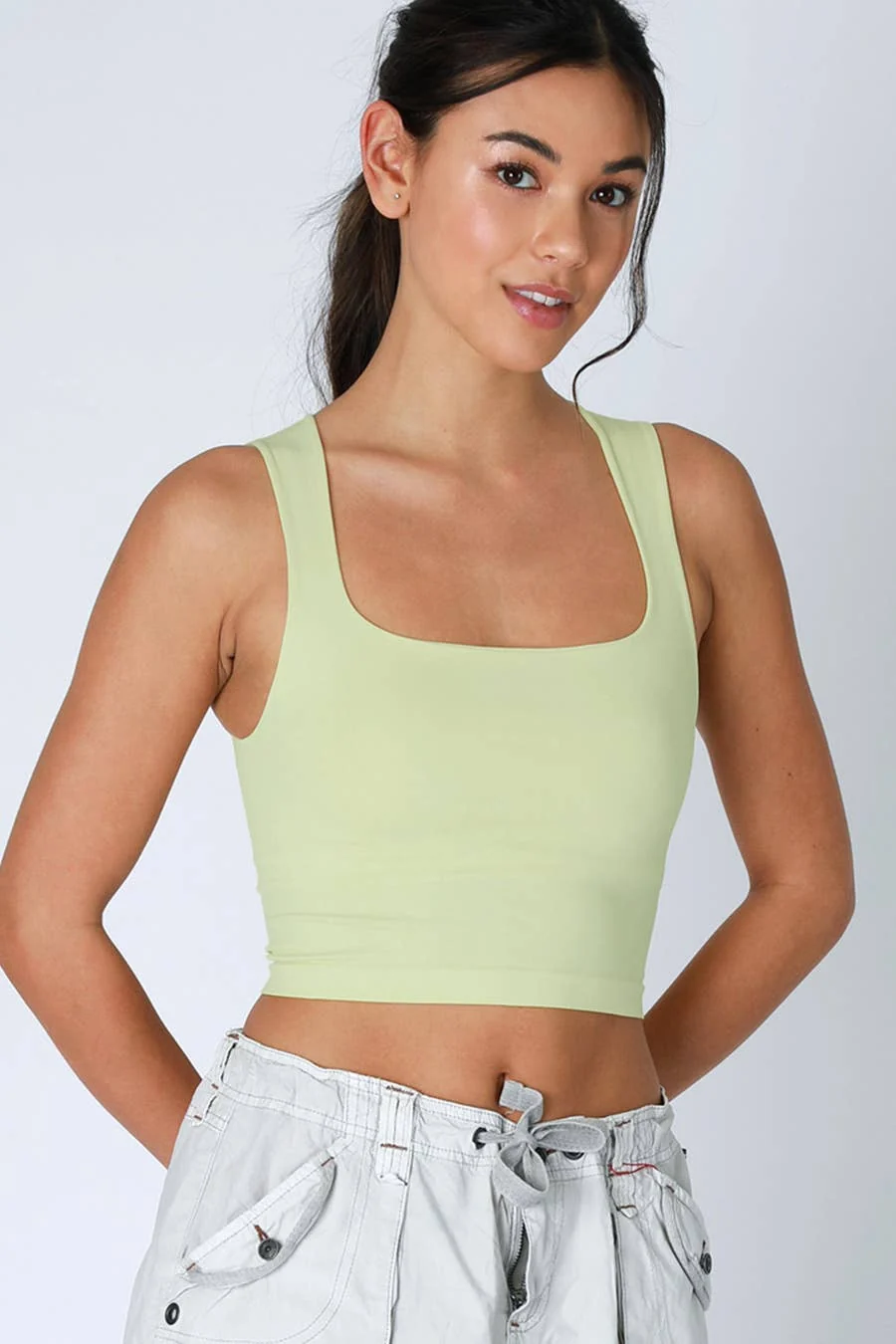
Consider how the neckline relates to your usual layering choices and comfort. A V-neck and a square neckline create different lines, yet neither is inherently better for a particular body type. The Crisp Air Square Neck Top is described as having a contemporary square neckline and seamless construction. Its one-size-fits-most note specifies XS–L, but that range does not replace checking any available garment measurements or considering your preferred level of ease. Read those details together before deciding whether the shape and coverage suit you.
Use sleeve notes to anticipate movement
Sleeve descriptions can reveal useful construction details. Look for length, cuff style, and whether the sleeve is described as fitted, roomy, or relaxed. A banded cuff, ribbed cuff, or other finished edge may affect how the sleeve rests at the wrist, but the description alone may not show how snug that edge feels. If sleeve length is important to you, check for a measurement and compare it with a top you own. When no measurement is listed, avoid assuming that a model’s sleeve length will translate directly to yours.
Also consider how you plan to move in the garment. A sleeve that feels comfortable while standing may feel restrictive when you reach forward, especially if the body or shoulder fit is close. The Chalet Comfort Pullover description notes long sleeves with banded cuffs; that is a specific feature, while the exact sleeve measurement is not provided in the supplied details. A good fit decision separates what the listing says from what you still need to learn. Check the full product page for additional photos or specifications before relying on an assumption.
Understand stretch without guessing
Stretch can affect how a knit accommodates movement, but a fiber percentage is not a complete fit forecast. The knit structure, garment shape, and construction also matter, and product descriptions may not state how much a fabric gives or recovers. When stretch is specifically described, treat it as one useful clue. When it is not, do not infer a precise amount from the word “knit” or from a fiber name alone.
The Crisp Air Square Neck Top lists 92% nylon and 8% spandex, but those numbers do not establish how much stretch you will feel or how the fabric will behave after wear. Its listing describes a seamless construction and an airy feel; rely on the complete product details rather than adding unlisted performance claims. For another comparison point, the knitwear collection lets you review available knit styles and their individual descriptions. Compare stated features one by one, especially if you want a close fit or need room for easy movement.
Compare layers by their own fit notes
A knit worn alone and a knit worn beneath a layer may call for different amounts of ease. Think about what you expect to wear underneath, then compare that plan with the garment’s stated silhouette. A close layer can feel different beneath a relaxed outer piece than beneath one described as trim. Check whether a listing says true to size, relaxed, or oversized, and look for specific advice about sizing up. Do not assume that every piece in the same category uses the same fit language consistently.
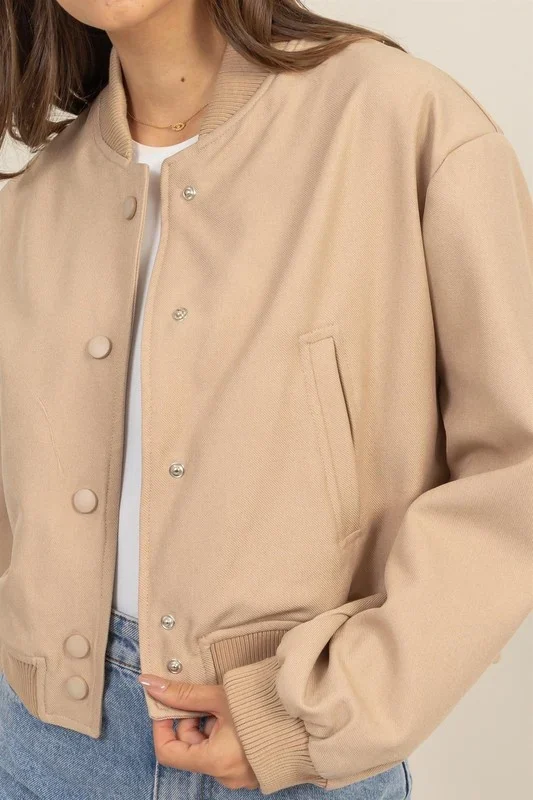
The Rome Ready Bomber Jacket is described as relaxed, fitting true to size, with a note to size up for an oversized fit. Its listing also identifies a button-up front and ribbed cuffs. These details make it a useful reminder that fit guidance can be explicit and garment-specific; they do not establish how a knit underneath will fit. Compare each item separately, and use the outerwear collection to review layer descriptions when you are planning a combination.
Make a decision from the details you have
Before choosing, collect the information that matters most to you: stated fit, garment measurements, neckline, sleeve details, and any clear note about stretch. If a key measurement is missing, decide whether that uncertainty is acceptable or whether you need more information. Keep the questions concrete: Will the body have enough ease? Is the neckline the shape I want? Do I know the sleeve length? Is stretch actually described, or am I guessing from the fiber content?
It can help to compare product pages side by side, but avoid treating similar words as identical guarantees. “Relaxed” may describe a general silhouette, while “slightly oversized” adds another fit cue; neither gives a full measurement chart. Save the details you are comparing so you can revisit them without relying on memory. If you also want to understand fiber information and care instructions, read why the garment care label comes first; the garment care label is the final authority for care. Thoughtful reading will not remove every uncertainty, but it can make your choice more informed and specific.