A useful weekend packing list starts with the hours you expect to spend, not a fixed number of outfits. A walk-heavy day, a relaxed lunch, and a cooler evening call for different combinations, but they do not necessarily require a different garment for each plan. Choose a small group of clothes that work together, add a layer for changing conditions, and leave room for the itinerary to shift. The result is a more manageable edit—and fewer last-minute decisions.
Start With the Itinerary, Not the Suitcase
Write down the shape of each day before choosing clothes. Note when you will be outside, whether you will be walking for long stretches, and whether the weekend includes a meal or gathering that calls for a more considered outfit. Keep the notes practical: “outdoors in the morning” is more useful than packing for every possible version of the day.
Next, check the forecast for your destination and travel dates. Think about the temperature at the times you will actually be out, along with rain or wind that could change how a light outfit feels. If plans are flexible, choose pieces that can move between settings rather than packing a separate look for every contingency. A spare top may be more useful than a second full outfit if you expect a warm afternoon; a comfortable layer may matter more when evenings cool down.
Finally, set a clear boundary: one outfit for each planned day, plus a small amount of flexibility. That keeps the list tied to real activities instead of imagined emergencies.
Choose a Small, Coordinated Clothing Palette
Pick two or three colors that already sit comfortably together, then build around them. This does not need to mean packing only neutrals. One patterned or brighter piece can bring variety, while the rest of the edit makes it easy to repeat bottoms and layers. Before packing, lay the garments together and check whether each top works with more than one bottom. If it only works with one specific piece, decide whether that pairing is worth the space.
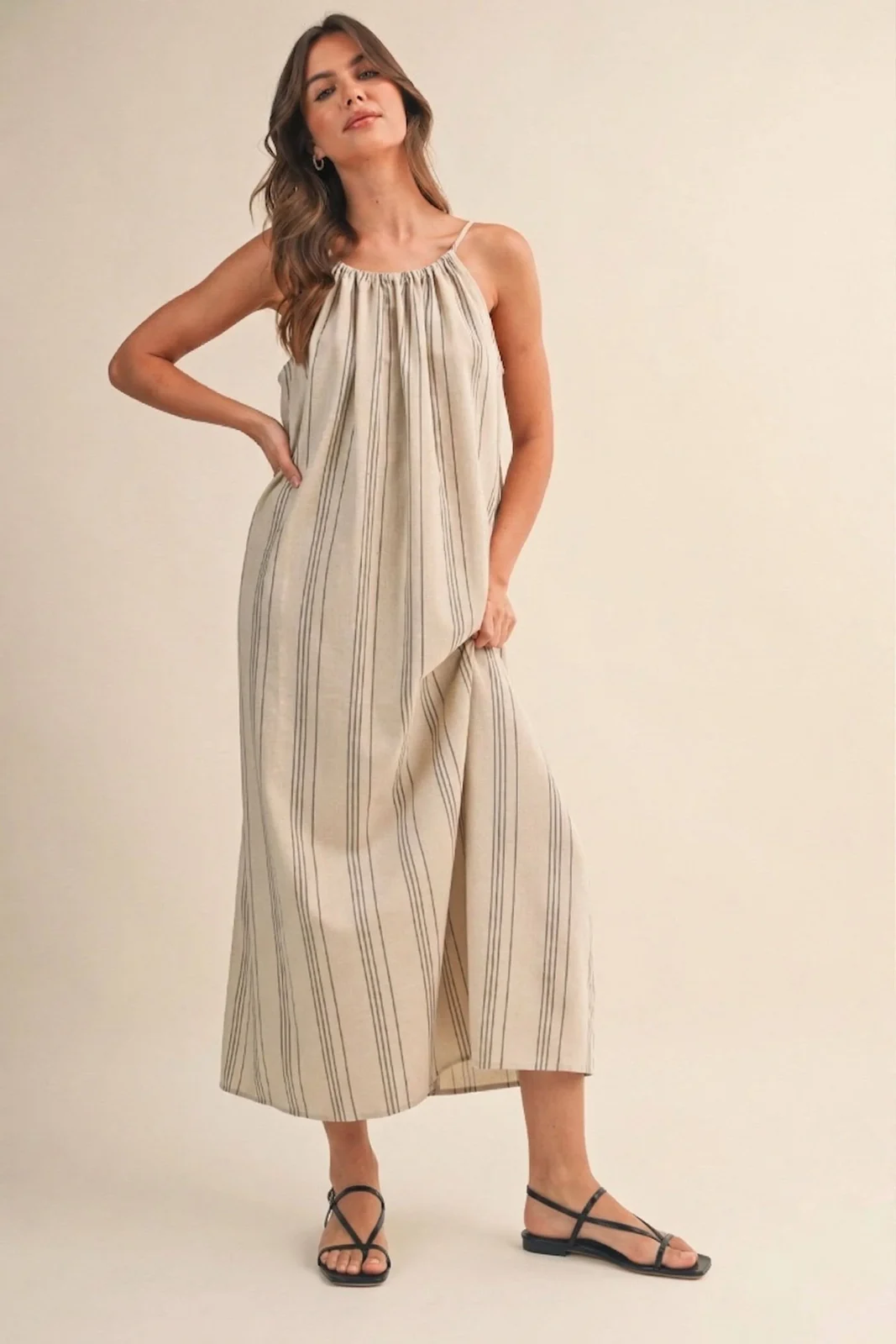
For a compact selection of outfits, think in combinations rather than isolated looks. Two tops and two bottoms can create several distinct pairings; a one-piece garment can offer a complete outfit without requiring a matching set. A dress such as the Capri Coast Midi Maxi Dress has a halter neckline and midi/maxi-style length, according to its product details. It can serve as one planned look, while separate tops and bottoms give you more options to adjust.
Use the dresses collection as one place to browse one-piece choices, and check each garment’s details before deciding how it fits your plans.
Make Every Piece Earn Its Place
Give each garment a job. A top might work for travel and a casual daytime plan; a pair of trousers might carry through lunch and an evening outing. A second top can refresh a repeated bottom, while a dress can cover a day when you want a single-piece option. If two items serve the same purpose and do not create meaningfully different outfits, choose the one you are more likely to wear.
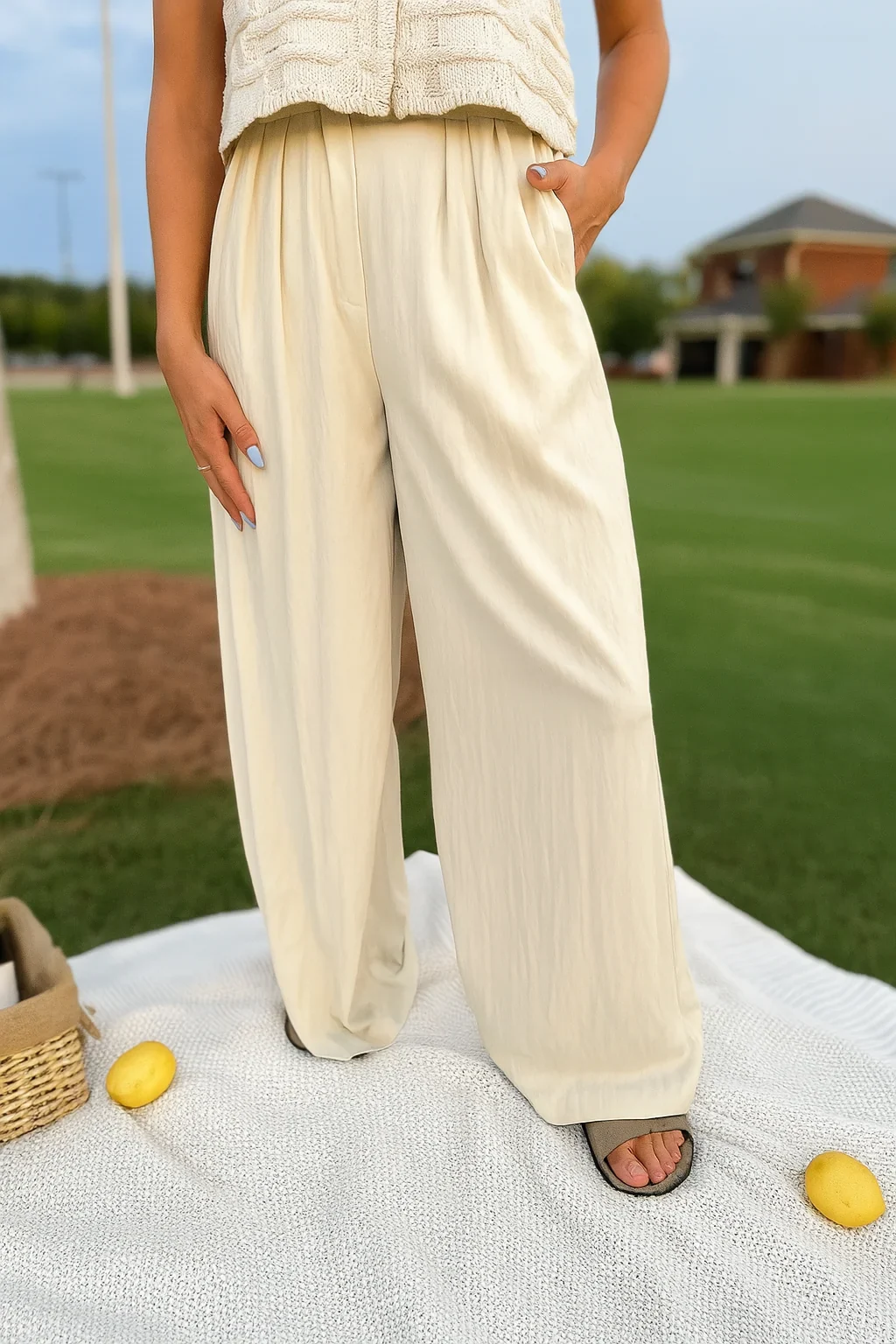
For example, the Piazza Trousers are described as wide-leg, with soft pleating, a high-rise fit, and a structured waistband. Their product details also list a rayon-polyester fabric blend and note that the fit runs true to size/long. Those specifics may help you judge whether they suit your plans, but consider the full listing rather than assuming a fabric or silhouette will feel the same to everyone.
Leave space for repeat wear in your plan. Repeating a bottom with a different top can look intentional, especially when the other pieces coordinate. Count outfits on paper first; if a garment appears only once, ask whether that use justifies packing it.
Pack Layers for Changing Conditions
A layer earns its place when it addresses a likely need: a cooler morning, indoor air conditioning, or a change in the day’s weather. Choose one that works over more than one outfit, rather than bringing separate layers for separate looks. If you are considering a garment for this role, check its cut, coverage, and product description instead of relying on its name alone.
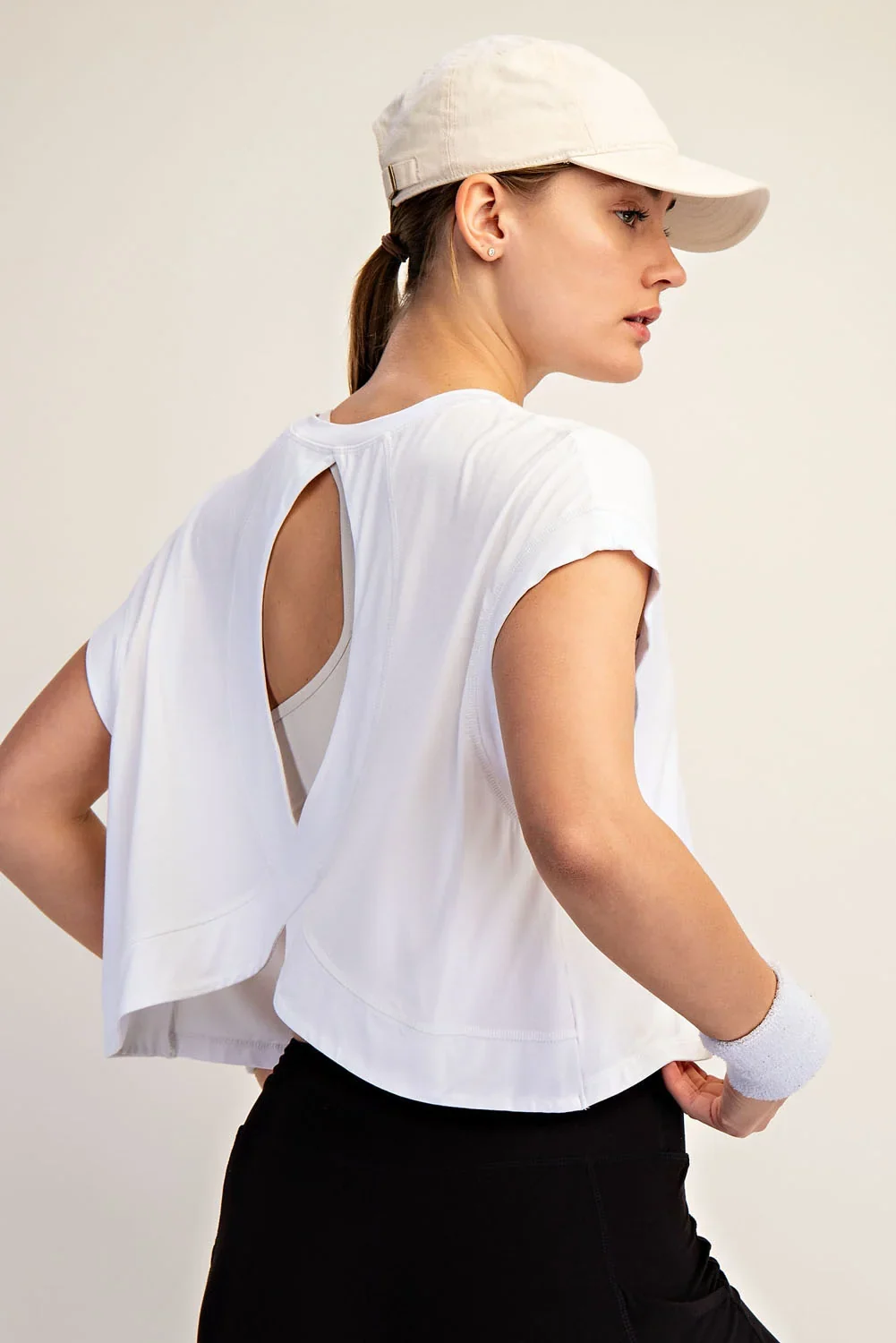
The Airflow Open-Back Athleisure Tee is described as relaxed-fit, slightly cropped, and designed for layering over sports bras. Its product details list a round neckline, drop shoulders, an open-back detail, and a viscose modal-spandex blend. Those details may make it relevant to a casual or active part of a weekend, but an open back is not the same as a layer that provides full coverage. Consider what the itinerary and forecast call for before including it.
For any named garment, the product listing can help you check the stated fiber content and features; it cannot tell you exactly how a piece will feel in every setting. When care questions affect your choice, the garment care label is the final authority.
Plan for Comfortable Time on the Move
Be honest about the pace of your weekend. If you expect a day of walking and exploring, choose clothes that let you move comfortably and avoid a combination you already know you will keep adjusting. A relaxed schedule may leave room for a more structured outfit, while a full day out rewards pieces that feel easy to wear for several hours. Think through the whole day, including transitions between outdoor plans and indoor stops.
Try your planned combinations before packing. Sit, walk, and reach in each outfit if those movements match what you will be doing. Check waistbands, hems, and layers for anything that feels distracting. A garment’s listed fit is useful information, but your own comfort in the combination matters too. If a new-to-you piece is part of the plan, avoid making it your only option for the busiest day.
Then identify one backup combination from clothes already on your list. You might switch tops or wear a planned layer differently. A backup outfit does not need to be a separate set of clothes; the point is to have a workable alternative without packing for every imaginable change.
Use a Short Checklist Before You Pack
Once the combinations are clear, make a clothing-only checklist. Put the garments beside the itinerary and count the outfits they create. If something has no planned use, reconsider it. If one planned day has no comfortable combination, adjust the edit rather than hoping the problem will solve itself after you arrive.
- Write down the main plan for each day and check the forecast.
- Choose coordinated tops, bottoms, and any one-piece outfit.
- Include a layer only if it works with multiple combinations or answers a likely weather need.
- Test the busiest day’s outfit for comfort and movement.
- Review product details and use the garment care label as the final authority on care.
Keep the list flexible enough to reflect real plans, but specific enough to guide your choices. A compact weekend edit is not about making every garment do everything. It is about packing clothes that work together, match the days ahead, and give you a few dependable ways to get dressed without bringing a separate outfit for every possibility.