A day of exploring can mean a cool start, a sunny stretch at midday, and a breezy walk back later. Dressing for all three is less about packing extra clothes than choosing pieces that work together and feel comfortable in motion. Begin with a breathable base, add a layer you can put on or take off, and check that each garment lets you walk, sit, and reach without constant adjusting. The right outfit depends on your plans and the forecast, but a little attention to fit makes it easier to enjoy the route instead of thinking about what you’re wearing.
Start with the day, not just the forecast
Before choosing clothes, picture the actual day: how long you expect to be outside, whether you’ll move between indoor and outdoor stops, and how much of the route is exposed to sun or wind. A forecast gives useful clues, but shade, air conditioning, and changing elevation can make the same outfit feel different from one part of the day to another. Check the temperature for both the morning and afternoon, along with the chance of rain or strong wind.
Use that information to decide which layer earns its place. A light shirt or cardigan can help in chilly interiors, while a compact outer layer may be more useful if the day looks unsettled. If the forecast is uncertain, choose a base outfit that still feels complete without the layer. That way, removing it later won’t leave you feeling underdressed or uncomfortable.
Choose a base that can handle movement
For a walking day, comfort starts with fabric and fit working together. Look for a top that doesn’t pinch at the shoulders or ride up when you reach, and bottoms that stay comfortable when you sit down for a break. A breathable-feeling fabric can be helpful in warm weather, but the garment’s cut matters too: close-fitting pieces may feel restrictive over a long day, while very loose pieces can shift around as you move.
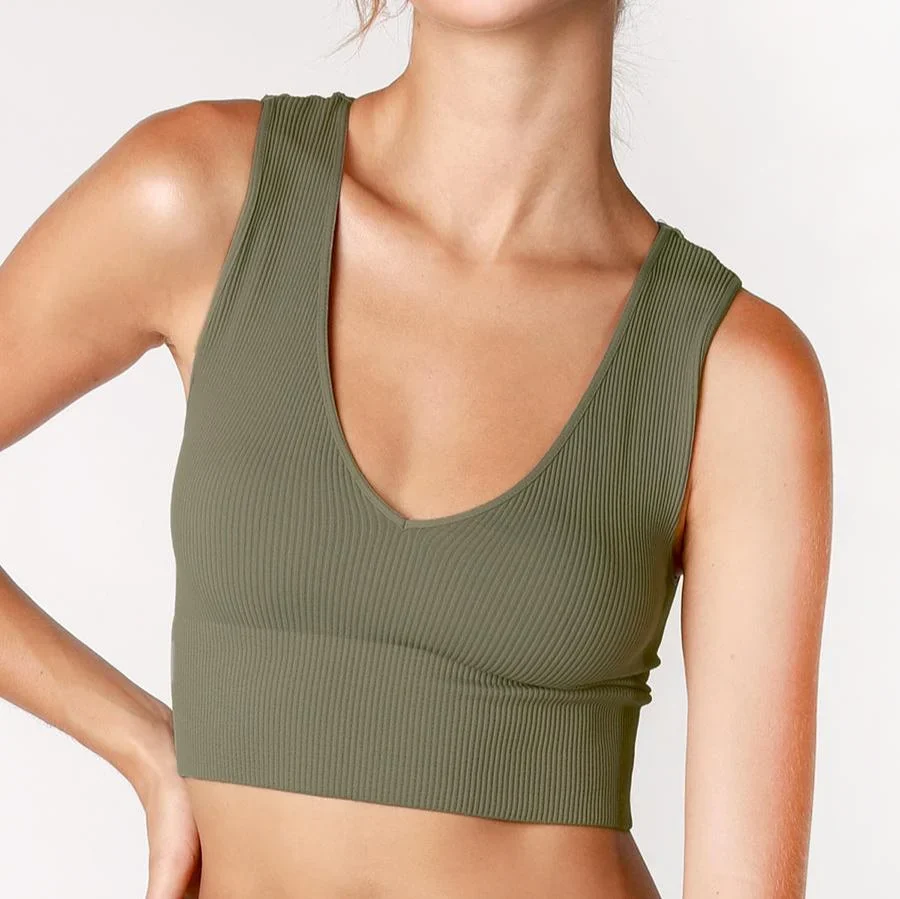
The Airplane Blues Ribbed Tank is described as a stretchy ribbed tank with a deep V-neck scoop. Its one-size-fits-most sizing is listed as XS–L, so check the product details and consider how you prefer a tank to fit before choosing it as your base. It can pair with a light open layer when you want more coverage. Keep the neckline and armholes in mind if you’ll be bending or reaching often, and make sure the fit feels comfortable for the full range of your plans.
Pick bottoms for your route
Think about how much stride room you want and how the day’s activities affect your choice. A long walk calls for a waistband that stays comfortable while you move; a museum stop or long meal may make sitting comfort just as important. Try a few ordinary movements when you get dressed: take a longer step, bend, and sit. If the fabric pulls or the waistband presses, those small annoyances can become more noticeable over several hours.
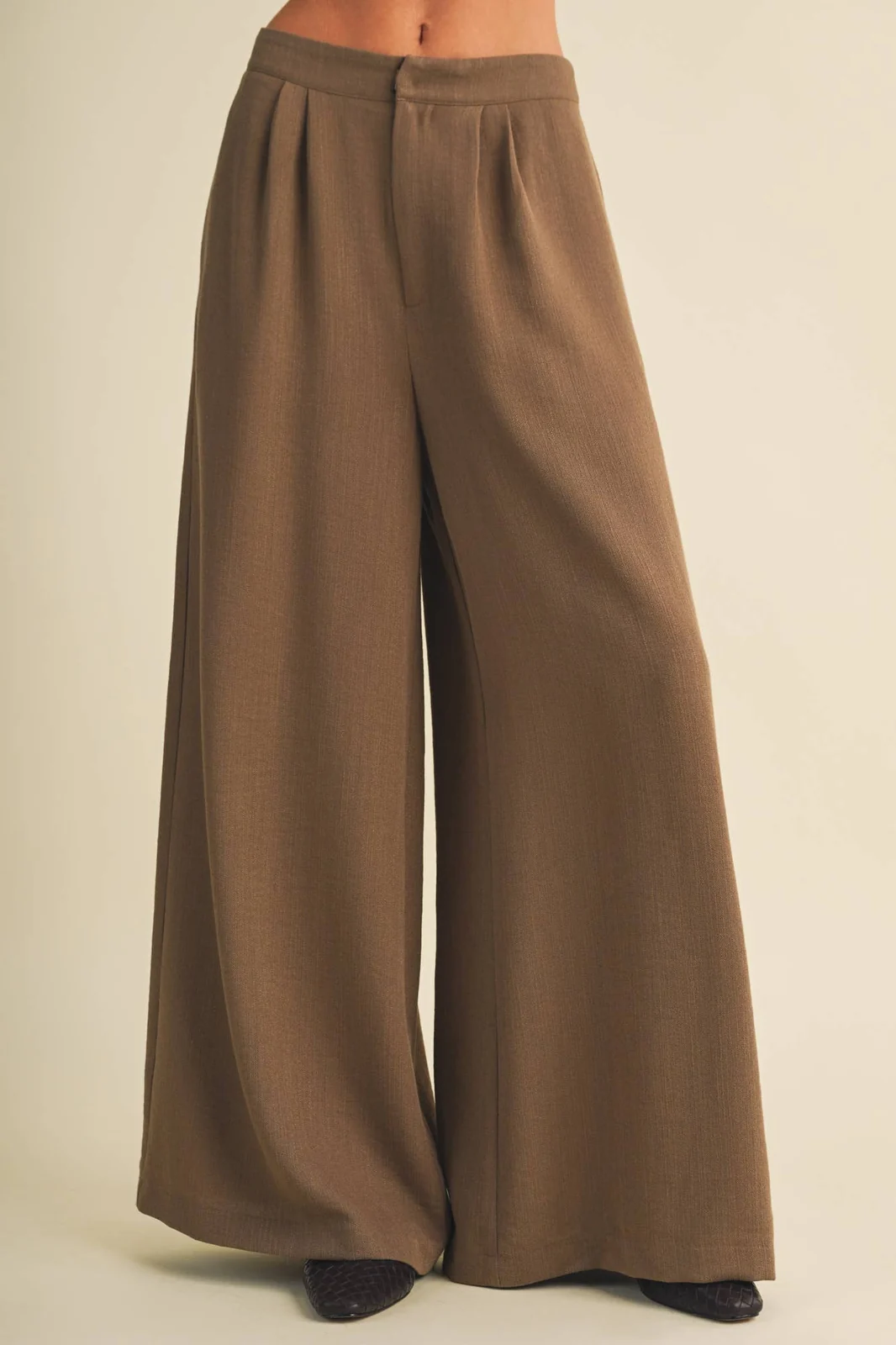
The Lugano Palazzo Trousers have a high-waisted cut, subtle pleating, side pockets, a wide leg, and a lightweight, fluid drape, according to the product details. They’re listed as fitting true to size. For an exploring outfit, consider whether the wide silhouette suits your planned pace and the weather; loose legs may feel airy in warmth, while a breeze can make them feel cooler. You can browse the bottoms collection when comparing different shapes for the day.
Consider a one-piece when simplicity helps
A one-piece outfit can make getting dressed straightforward, but check how it works for your specific plans. Consider whether the cut allows a comfortable stride, whether the neckline and openings feel secure to you, and how easy it is to layer over or under. The goal isn’t to follow a rule about what belongs on a trip; it’s to choose clothes that make sense for your comfort and the stops on your itinerary.
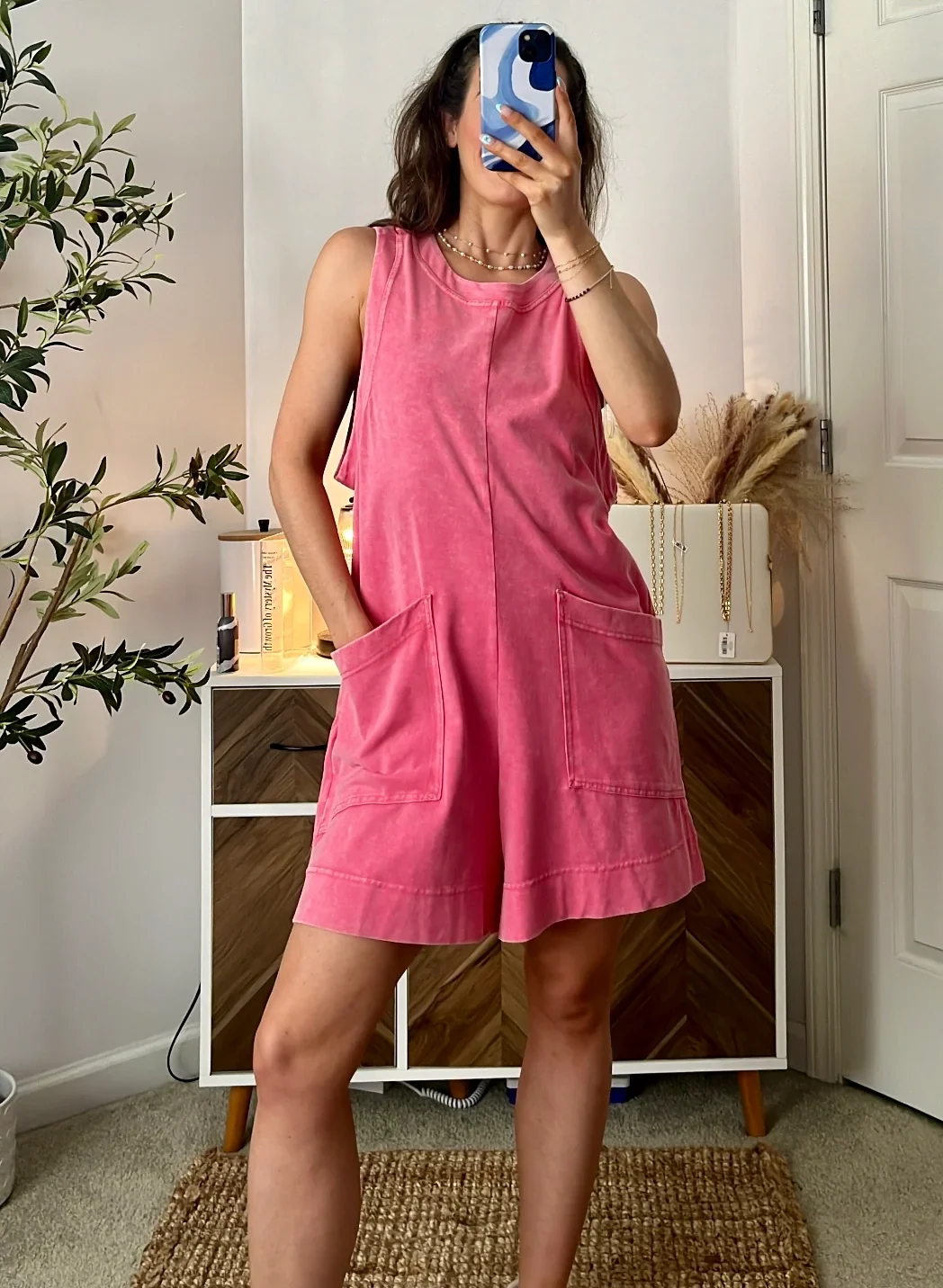
The Sunrise Tones Cotton Romper is described as sleeveless, relaxed fit, and wide cut through the leg, with front pockets and open-back details. It fits oversized, and the product notes recommend sizing down if you’re between sizes. Since it is a one-piece, think ahead about how often you expect to need a restroom during the day, and whether its open-back details work with the layers you plan to wear. You can also explore the rompers and jumpsuits collection for other one-piece options.
Make layers easy to add or remove
A useful layering plan has a clear order. Start with the piece closest to your skin, add a light layer for cool air or indoor stops, and reserve a weather-resistant outer layer for conditions that call for it. Keep the middle layer easy to remove so you’re not stuck wearing it once the day warms up. If you expect to spend time in air-conditioned spaces, a thin overshirt or cardigan may be more useful than a heavy layer that feels cumbersome outside.
Pay attention to proportions as you layer. A roomy top over wide-leg trousers can feel relaxed, but make sure the combined volume doesn’t get in your way as you move. A closer-fitting tank under an open shirt can create a simpler outline without restricting your arms. Before leaving, put on every planned layer and test your range of motion. If sleeves bunch, hems catch, or a neckline shifts, make an adjustment at home rather than during the day.
Use a quick fit and weather check
Before you head out, try your outfit for a few minutes rather than judging it only in front of a mirror. Walk around, sit, reach overhead, and bend as you might on the route. Check that your waistband remains comfortable, your top stays in place, and any layer can be taken off without disrupting the rest of the outfit. Read the product details for specific sizing and construction information, and follow the garment care label for care instructions; the care label is the final authority.
Then make a simple weather adjustment plan: what stays on if the morning is cool, what comes off if the afternoon warms up, and what you’ll add if wind or rain arrives. If the forecast changes, swap one layer rather than rebuilding the whole outfit. For more ideas on planning around uncertain conditions, read our guide to weekend dressing for unpredictable weather. A flexible outfit won’t control the weather, but it can help you stay comfortable enough to focus on the places you came to explore.