A wardrobe does not become more useful simply because it gets bigger. The pieces that earn their space are usually the ones you can picture wearing in several settings, with clothes you already own. Before adding something new, consider your routines, the combinations it makes possible, and whether its appeal will last beyond the first outfit. That small pause can turn shopping from a search for novelty into a thoughtful way to get more from what you wear.
Start with the clothes you reach for
Look at what you actually wear across an ordinary week, not an imagined one. Notice the shapes, colors, and layers that show up repeatedly. Maybe you favor relaxed trousers, soft tops, or dresses that can be worn alone or layered. These patterns offer practical clues about what will fit into your life.
Also consider why certain pieces stay unworn. A top might need a specific bottom you do not own, or a dress may feel too formal for the places you go most often. You do not have to avoid every occasional piece, but be honest about how often that occasion occurs. Your buying decisions should reflect your calendar and comfort preferences, rather than an idealized version of your days.
If color is a sticking point, make a short list of shades already present in your closet. The guide to tops in the collection can be a useful place to browse with that list in mind, focusing on pieces that connect to outfits you already like.
Think in outfits, not isolated pieces
Before buying, name at least three ways you could wear the item. The combinations do not need to be elaborate: a blouse with two different bottoms, or one pair of trousers with a familiar top and a more polished one, is a useful start. If you can only imagine a single outfit, ask whether that outfit is compelling enough to justify the space and cost.
Try this exercise with clothes you own, too. Set out one candidate piece and build combinations around it using your closet rather than relying on a mental picture. This reveals practical gaps, such as a top that only works with one specific silhouette, or a bottom that needs more tops in compatible colors.
Keep the test grounded in your own habits. A piece that offers many theoretical combinations may still be a poor choice if you dislike its fit or rarely dress for the settings it suggests. Repeat wear depends on both possibility and preference.
Make personal use the deciding factor
Versatility is not the same for everyone. A tailored piece may be a weekday staple for one person and an occasional choice for another. Think about where you will wear the garment, how much movement you want, and what level of polish feels natural. The best measure is not how many occasions a piece could suit in theory, but how often you can genuinely see yourself choosing it.
It can help to describe a real day when you would wear the item. “A work meeting followed by dinner” is more useful than “anywhere.” If you cannot name a likely setting, pause rather than inventing one to make the purchase seem practical.
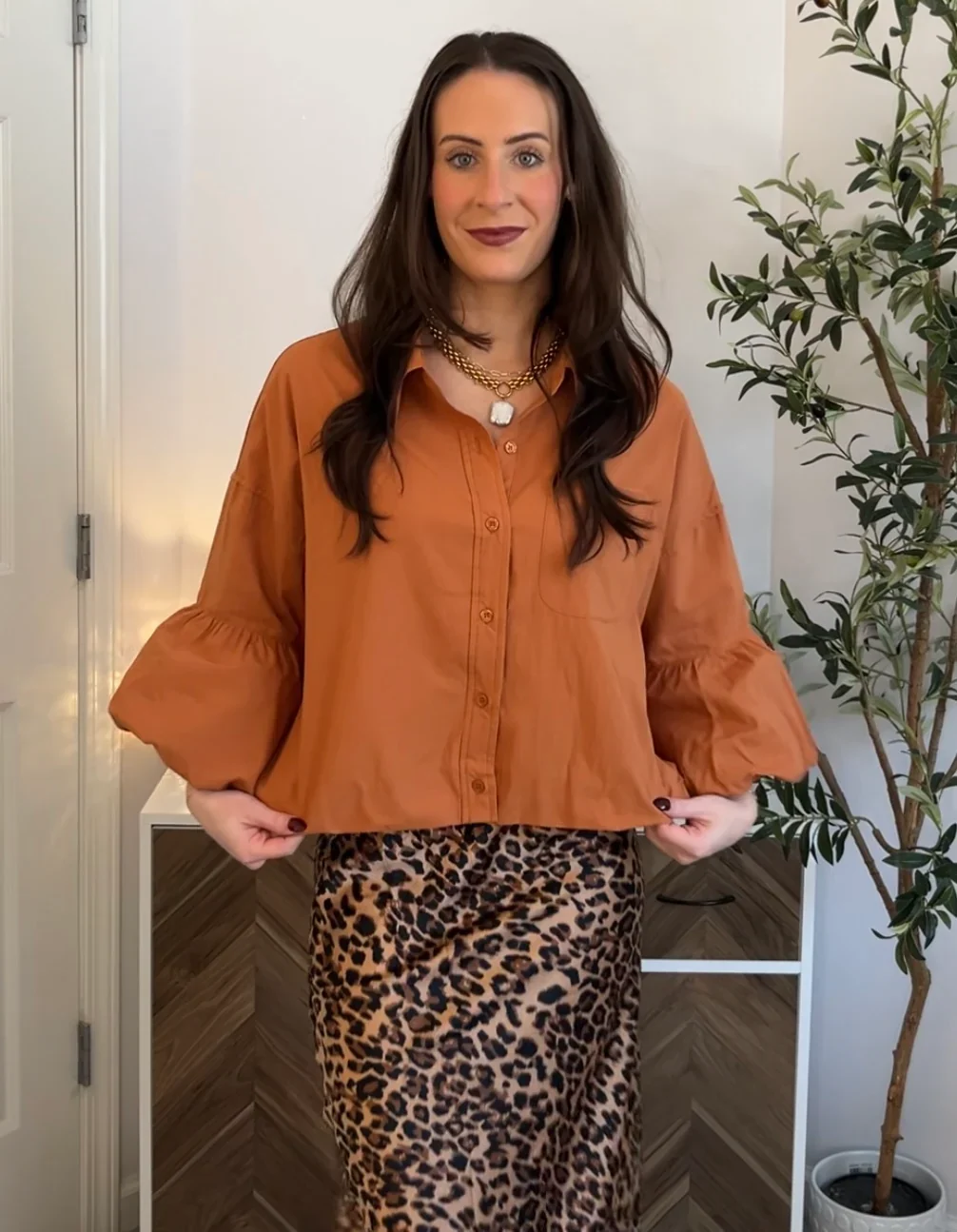
Details can change how a piece fits into your routine. For the Luxe Compass Blouse, the listed features include bubble sleeves, an elastic waist, and a button-down collar. Consider whether those specific details suit the way you like a blouse to feel and the clothes you would pair with it.
Balance distinctive pieces with dependable ones
A wardrobe made entirely of basics can feel flat, while a closet full of attention-getting pieces can make getting dressed harder. A useful mix includes clothes with personality alongside dependable shapes that help them work in more than one outfit. Before choosing something distinctive, ask which existing pieces will let you wear it without building a whole new look around it.
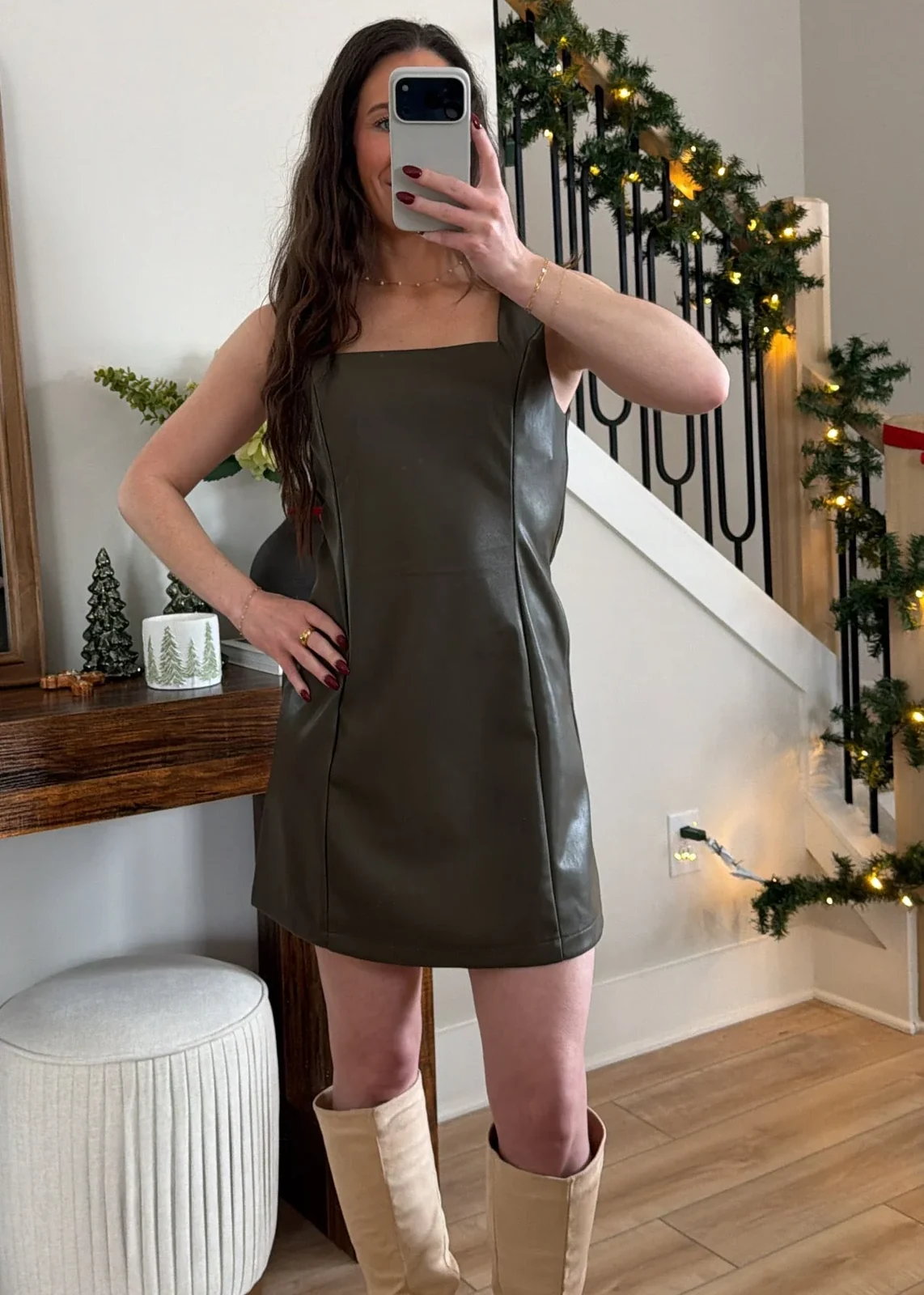
The Mont Blanc Leather Dress is described as having a square neckline, wide straps, and a structured, tailored fit in a smooth faux-leather fabrication. Those details give you concrete questions to consider: Do you like that neckline? Would you layer it with a blazer or coat, as the product description suggests? Can you imagine occasions in your routine where you would reach for it?
A distinctive garment does not have to be an impractical purchase. It simply deserves a more specific plan. If the only outfit you can picture feels unlike you, that is useful information—not a reason to talk yourself into it.
Use fit and fabric details as a reality check
Product descriptions can help you judge whether a garment has a plausible place in your wardrobe. Look for stated silhouette, materials, closures, and sizing notes, then compare those details with what you know you enjoy wearing. When information is missing, check the listing or ask before assuming how a piece will fit, move, or feel.
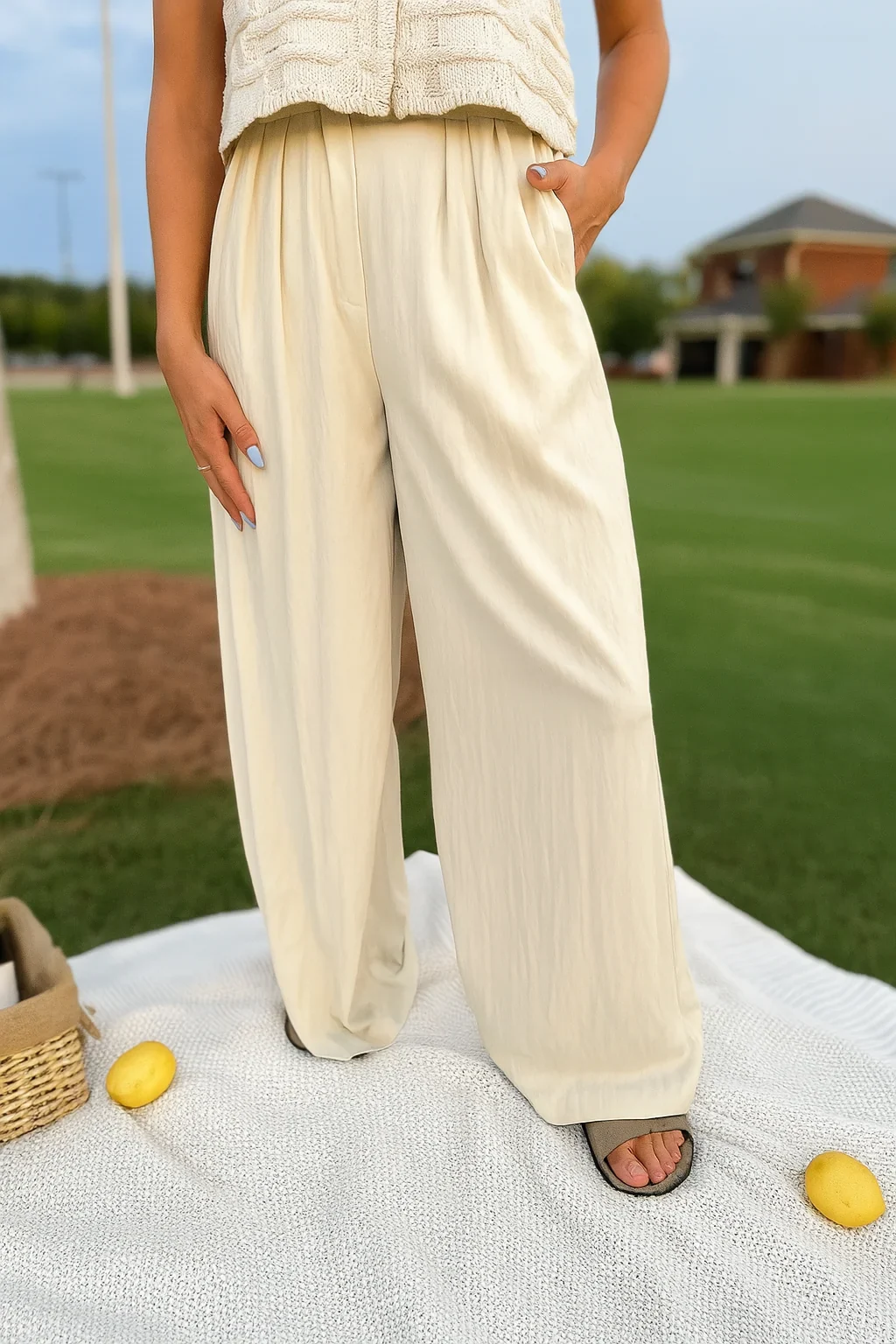
For example, the Piazza Trousers are described as wide leg, high rise, and long, with a structured waistband and soft pleating. The listing says they fit true to size and long. Those specifics may help you decide whether to check the measurements, consider your preferred hem length, or compare the rise with trousers you already own.
Material details are another prompt to assess your preferences, not a complete care guide. Read the garment care label before washing or otherwise caring for a piece; the label is the final authority. Treat fit notes as a starting point, and use any available measurements to make a more informed choice.
Give each new piece a wardrobe job
Before you buy, finish this sentence: “I will wear this when…” A clear answer might be a weekly workday, a regular dinner plan, or a layer you can use through changing temperatures. Then identify a few pieces already in your closet that could go with it. If both the setting and the combinations are vague, wait and revisit the idea later.
You can make the process easier by keeping a simple note on your phone: colors you wear, silhouettes you reach for, and gaps that repeatedly complicate outfits. Review it when shopping, but leave room for a genuinely appealing piece that serves a real purpose. The goal is not to impose a strict uniform or make every item work everywhere.
Repeat wear grows from a good match between the garment and the person wearing it. When an addition feels comfortable, suits your routines, and connects with clothes you already own, it has a practical reason to stay in rotation. That is a stronger foundation for a wardrobe than novelty alone.