A clothing purchase is easier to judge when you know what job you need it to do. Maybe your closet has tops but few comfortable layers, or you need a pair of trousers that can work for both a weekday and a relaxed dinner. Starting with that missing function helps you shop with purpose instead of asking a new piece to justify itself later. It also gives you a practical way to compare fit, fabric, and styling possibilities against clothes you already own.
Name the outfit problem
Describe the gap in terms of a situation, not a vague desire for something new. “I need a light layer for chilly indoor spaces” is more useful than “I need a better wardrobe.” So is “I need a top that can work with my everyday trousers and a skirt I already wear.” Think about when the problem appears, what you usually reach for, and why that option falls short. Perhaps it is too warm, too formal, difficult to layer, or not comfortable for a full day.
Specificity keeps a purchase focused. If the problem occurs during a particular part of your week, consider how often that moment comes up and what would make getting dressed easier. You do not have to prove that a need is serious. You simply want a clear enough description to recognize a useful solution when you see one.
Check your closet before browsing
Look at the clothes that would be part of the outfit you are trying to build. Pull out a few likely pairings and see what is missing. Sometimes the gap is not another top; it may be a layer that makes an existing outfit comfortable, or bottoms that work with several tops you already own. A quick try-on can reveal proportions or color combinations that are hard to assess from memory.
Notice what you wear repeatedly, but also what stays untouched. A piece may be unworn because it needs a different partner, or because its fit or function does not suit your routine. That distinction matters: buying another similar item may not solve the underlying issue. If you need a more deliberate way to evaluate options, the questions in the tops collection can be a useful starting point for browsing with your existing outfits in mind. Treat browsing as research, not a commitment to buy.
Choose a job the new piece can do
Give a possible purchase a simple test: name at least two outfits or occasions where you expect to wear it. Those combinations should be realistic, using clothes you own and settings that are actually part of your life. A piece that works only with one imagined outfit may not address a broad wardrobe need. On the other hand, a specific occasion can be a valid need if it comes up often enough to matter to you.
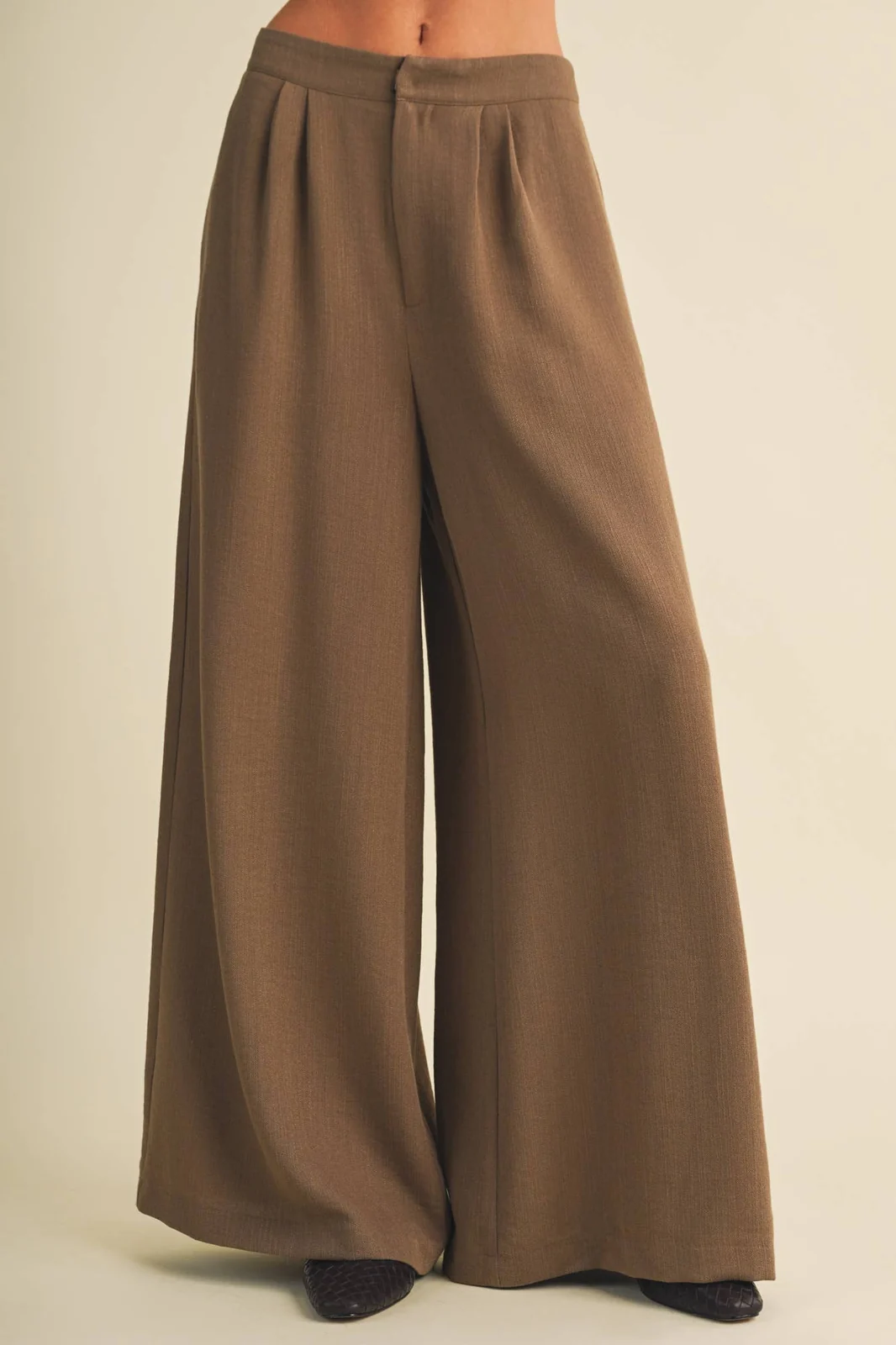
For example, the Lugano Palazzo Trousers are described as wide-leg, lightweight trousers with side pockets, a high-waisted cut, and subtle pleating. If you are looking for trousers that can serve more than one setting, consider whether those details fit the outfits and occasions you have in mind. Their listing says they fit true to size; check the product details and your own fit preferences before deciding. You can compare them with other choices in the bottoms collection.
Compare details that affect everyday wear
Once a candidate seems relevant, read its listing for the details connected to your need. If you want a layer, check the described shape, closure, fabric content, and pocket features. If you are choosing a top, note the material and any fit guidance. These facts help you make an informed comparison, but they cannot tell you everything about how a garment will feel or fit on your body. When a listing says a piece fits small, take that information seriously and check available sizing details rather than assuming your usual choice will work.
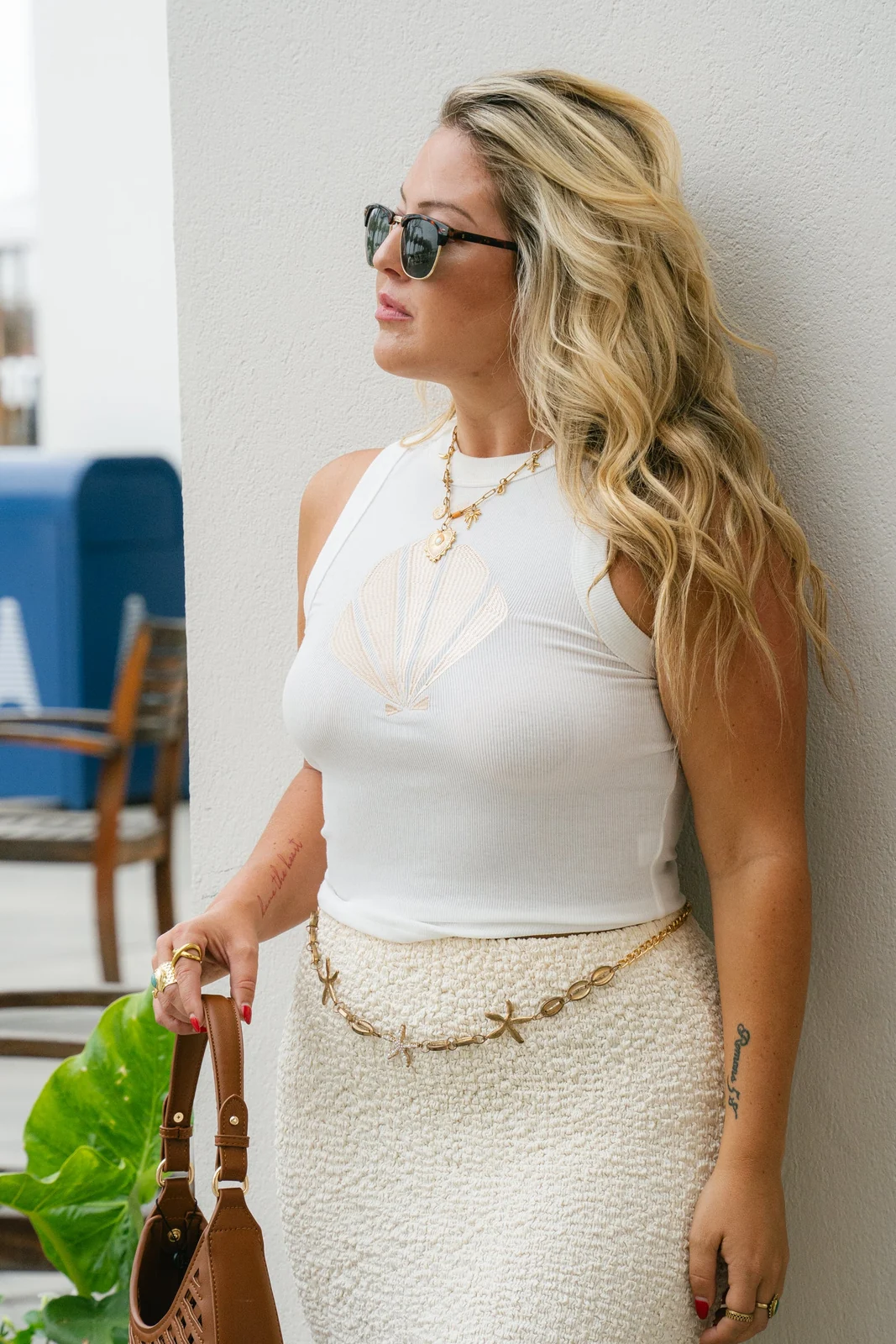
The Solstice Shell Embroidery Tank has shell embroidery and is described as suitable for layering or wearing alone. Its listing says it fits small and identifies its material as 95% polyester and 5% spandex. Those details may help if your missing function is a warm-weather top with more than one styling option. Review the complete product information and consider how you prefer a top to fit. For care, the garment care label is the final authority.
Make fit part of the decision
Fit is not a number alone. Think about the amount of ease you prefer, where a hem falls, and whether you want room for another layer. Compare any available sizing guidance with a garment you already like, while remembering that different cuts can sit differently. If you are between options or unsure how a listed fit will feel, pause and review the product information before ordering or visiting. The aim is to choose something comfortable for the job you named, not to force yourself into a particular size.
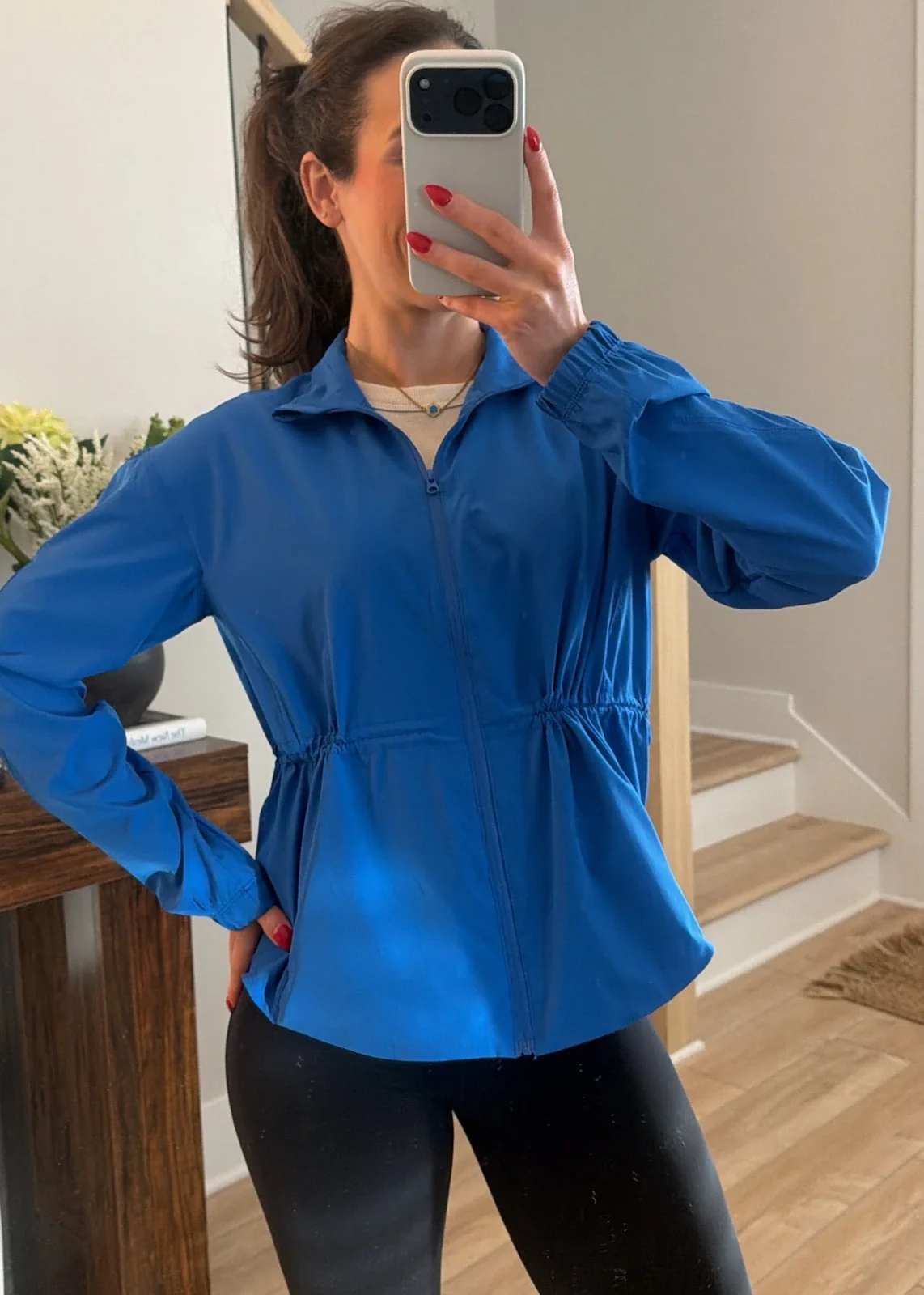
For a layer you expect to wear over other clothes, the Align Zip-Up Jacket is described as relaxed and slightly oversized, with an elastic band, interior adjustable drawstring, zip-up side pockets, and a curved hemline. Consider whether that shape and those features suit your day. Its listing gives a material composition of 86% polyester and 14% spandex. You can look at other options through the outerwear collection, then compare the stated fit and features with the role you need filled.
Set a pause point before you buy
Before checking out, return to your original description of the gap. Does this piece address it directly? Can you picture wearing it with clothes already in your closet, and does its fit guidance make sense for your preferences? If a key detail is unclear, seek that information rather than filling in the blanks with assumptions. A pause is especially helpful when the appeal is mainly novelty and you cannot identify a real outfit or occasion for it.
You can also keep a short note on recurring wardrobe problems: what you needed, what you wore instead, and what did or did not work. Over time, that record can make future shopping more concrete without turning every purchase into a strict rule. Buy when a piece suits your actual routine and you understand its relevant details. If it does not solve the need you started with, save the idea and keep looking. A thoughtful no is a useful shopping decision, too.