A size label can narrow your options, but it cannot tell you exactly how a garment will sit on your body or feel through the day. Labels vary, and even two pieces with the same size name can have different shapes, fabrics, and intended ease. A more useful approach is to compare the information available about the garment with your own measurements and preferences. Think about where you want room, how much structure you like, and what you will do while wearing it. That turns fit from a guess into a set of practical questions.
Start with the garment, not the label
Use a size name as one clue, not the whole decision. Look for garment measurements when they are provided, then compare them with a similar piece you already own and like. Lay that reference garment flat and measure the relevant areas in the same way the listing describes. A flat measurement may need to be doubled to compare with a full circumference, so check how the information is presented before drawing conclusions.
Also read the product details for clues about shape and construction. A straight leg, elastic waistband, button front, or relaxed silhouette affects how a piece wears in ways a letter or number cannot explain. If a listing does not provide a measurement you need, avoid assuming it from the label. Check the details or ask the boutique for clarification before deciding.
Decide what “comfortable” means to you
Fit is personal. One person may want a close fit at the waist and more room through the leg; another may prefer a loose line throughout. Consider the places where you notice tightness first, whether you like fabric to skim or cling, and how much ease you want when sitting, reaching, or walking. Those preferences are more useful than a general claim that a garment is comfortable for everyone.
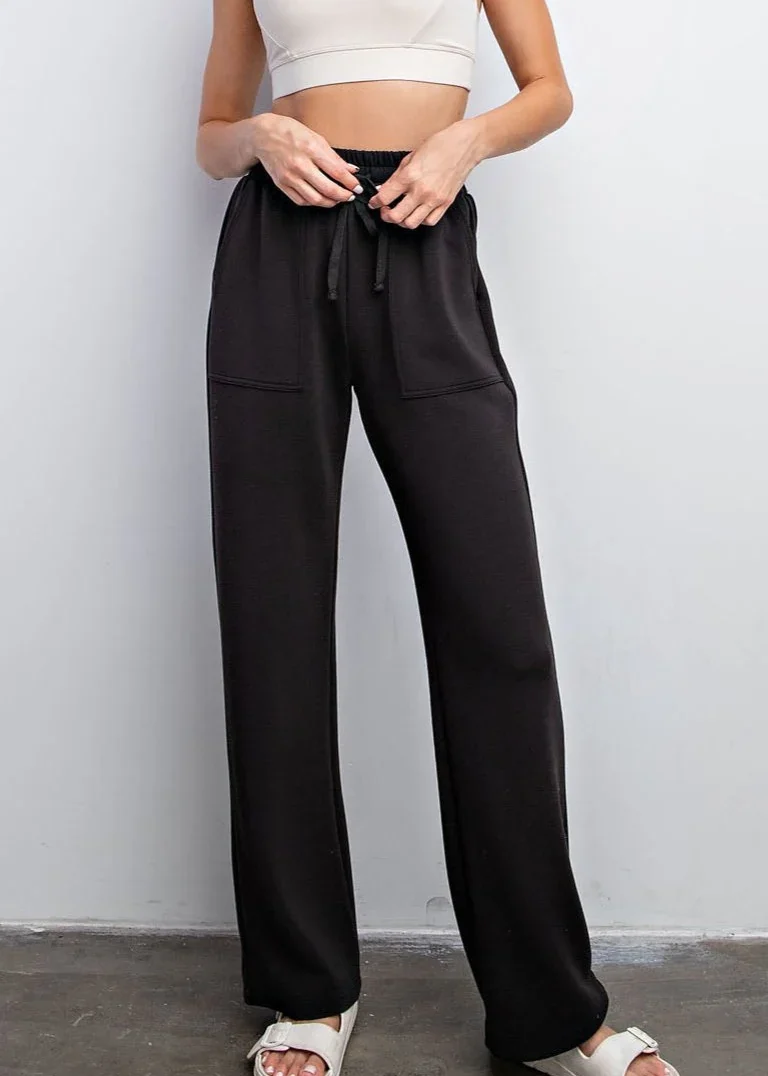
Then picture the actual day you will wear it. A piece for a long stretch of sitting may need a different feel from one you plan to wear for a short outing. Check whether the listing describes an elastic waistband, drawstring, or other feature that affects adjustment. The Roam Free Scuba Pants listing, for example, specifies a straight leg, side pockets, and an elastic waistband with drawstring. Those details help you assess the design, but your own preferred amount of room still matters.
Read fabric details as fit clues
Fiber content does not tell you a complete fit story, but it is one useful part of the picture. The listing may also describe a garment as lightweight, stretchy, or relaxed. Use those exact details to think about movement and feel, rather than assuming that every fabric with a particular fiber behaves the same way. When stretch content is listed, consider whether you like a garment to move with you or prefer a more stable shape.
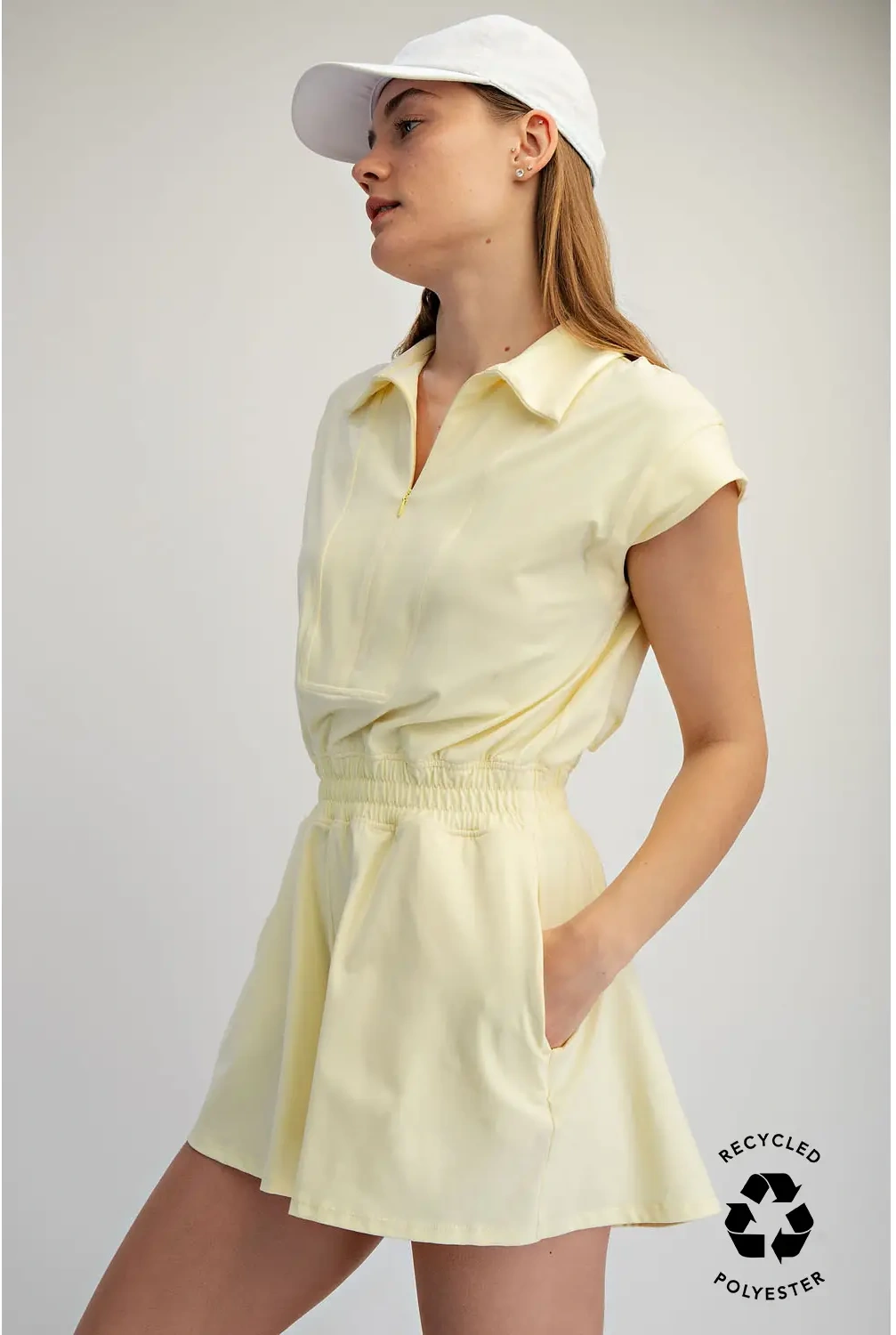
For instance, the Blissful Beach Romper listing gives its fabric composition as 84% poly microfiber and 16% spandex, and describes the fabric as buttery soft. It also notes that the romper runs a tad bit short. That specific fit note may matter if you prefer more length through the body. Review the romper’s full details alongside your preferences; a size label alone cannot resolve a length concern. For care, the garment care label is always the final authority.
Use fit notes with care
Notes such as “fits true to size” are useful, but they are not a promise that a garment will match your preferred fit in every area. Look at them together with the listed model size, if provided, and the garment’s design. A model reference gives context, not a direct comparison unless you know how your own measurements and fit preferences differ.
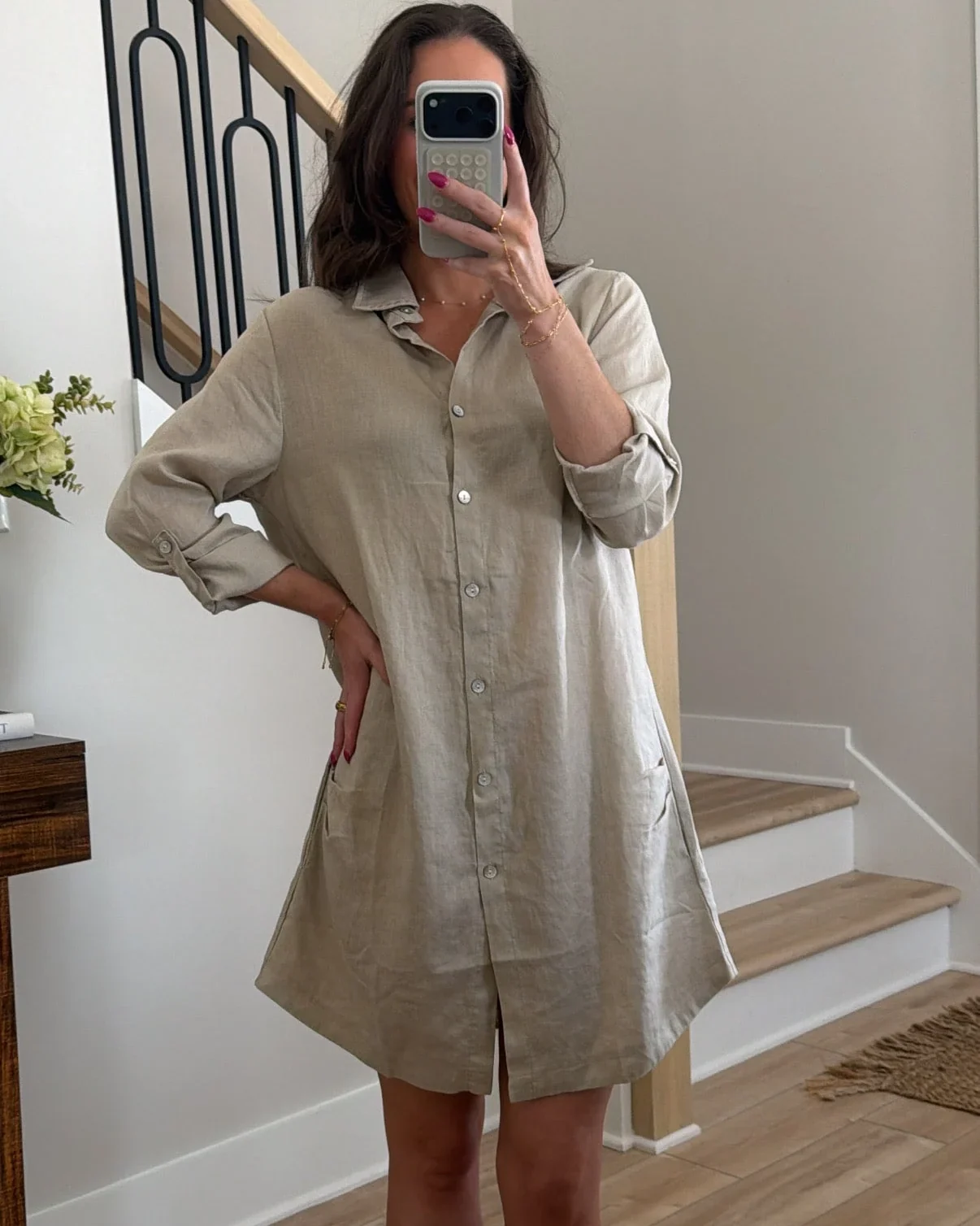
The Milano Linen Dress listing says it fits true to size and that the model is wearing a Small. It also describes a relaxed silhouette and a full button-up front. That information offers a starting point for assessing the dress, not a reason to ignore measurements or personal preference. If you want to browse other shapes, the dresses collection gives you a place to compare available styles and their individual descriptions. Check each listing on its own terms rather than transferring one garment’s fit note to another.
Match the silhouette to the way you want it to sit
Silhouette describes the garment’s overall line, while fit concerns how it sits on you. A relaxed shape may be intended to leave room, but you might still want to check shoulder placement, length, or how the garment closes. A straight-leg pant creates a different outline from a tapered one, yet the leg shape alone does not tell you whether the waist or rise will feel right. Look for the specific details the listing gives, and identify which parts matter most to you.
The Milano Linen Dress is described as having a relaxed silhouette, side pockets, and a full button-up front. Its listing also identifies the material as 100% linen. If the silhouette sounds appealing, consider whether you like that amount of ease and whether the listed construction suits how you plan to wear it. Read the Milano Linen Dress details for the available information, and use the care label as the final authority for garment care.
Make a short comparison before you decide
When you are between sizes or uncertain about a style, write down the two or three fit questions that matter most. You might compare the garment’s measurements with a favorite piece, check a stated length note, or confirm whether the waist adjusts. Separate confirmed details from assumptions: “elastic waistband” is a listed feature; “this will fit loosely on me” is a personal prediction that still needs evidence.
It can help to compare listings by category, but do not treat category as a fit rule. The bottoms collection may include different shapes and constructions, so read each item’s own details. A good decision comes from matching those details to your body and preferences, not from finding a supposedly perfect label. If measurements are missing, ask a focused question or choose only when you are comfortable with the uncertainty. That is a more reliable way to shop than expecting one size name to tell the whole story.