When two clothing options both catch your eye, a few specific details can help you decide with less guesswork. Keep the product descriptions, listed options, fit notes, and care instructions together while you compare. That makes it easier to notice what is confirmed, what still needs checking, and which piece suits the way you expect to wear it. The goal is not to turn shopping into homework; it is to make a choice based on useful information rather than a vague first impression.
Start With the Reason You’re Comparing
Before weighing two items, name the job you want the clothing to do. Are you looking for a light layer, a particular silhouette, or a top that can be worn strapless? A clear purpose gives the product details context. Without one, it is easy to treat every attractive feature as equally important.
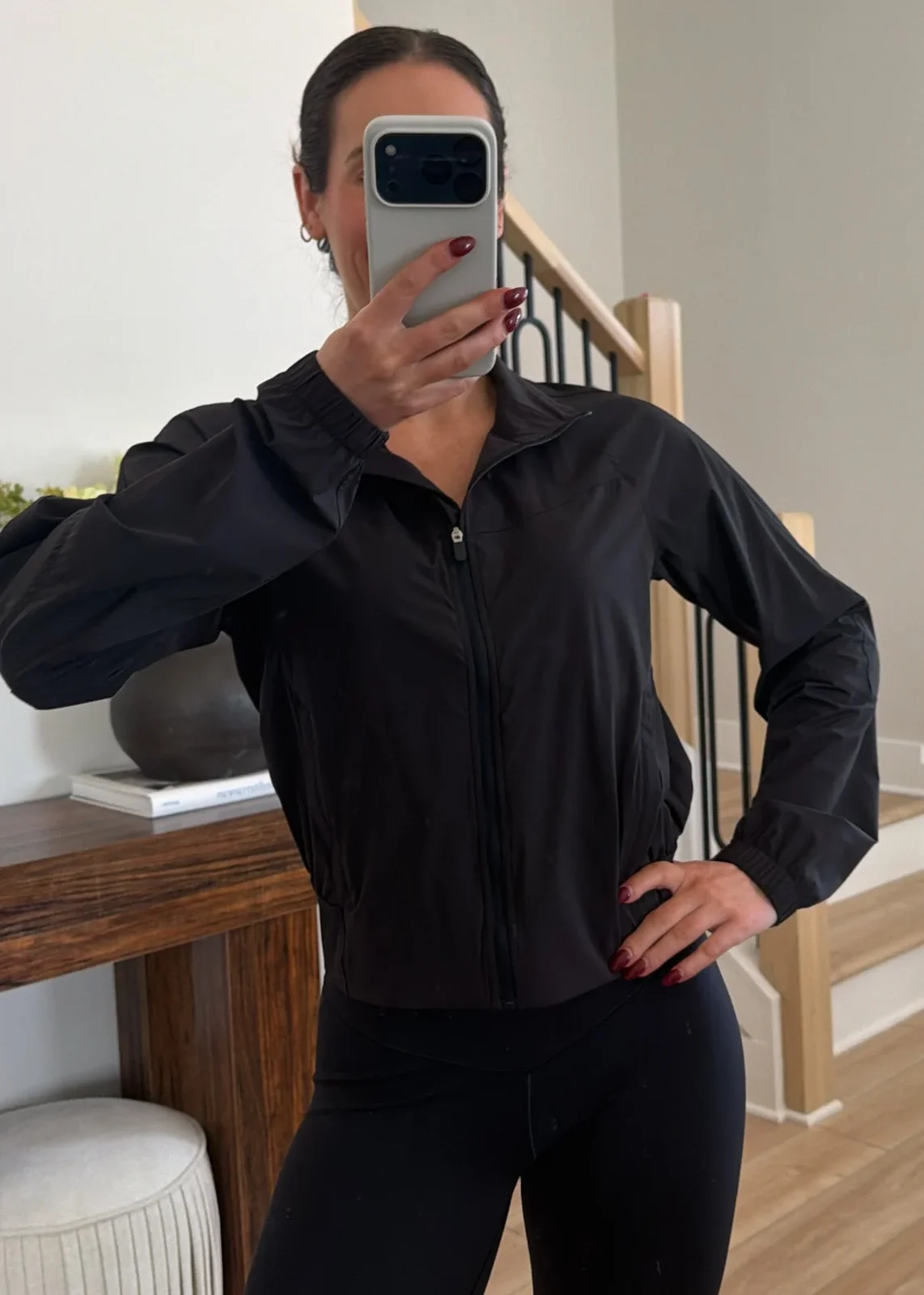
Write down two or three priorities, such as coverage, stretch, closure, or the occasions you have in mind. Then separate those from preferences that would be nice but are not essential. For instance, if you want a zip-front layer with pockets, the Everyday Move Jacket’s listed features offer details you can compare directly: a full zip front, high collar, zippered side pockets, and elastic-cuffed sleeves. Those specifics can be more useful than a broad impression like “versatile.”
Use the same priorities for every option. That keeps one vivid detail from steering the whole decision before you have checked the rest.
Read Descriptions for Verifiable Details
Product descriptions often combine concrete information with mood-setting language. Give the most weight to details you can point to: fabric composition, closure type, construction, listed features, and stated fit. Words such as “easy,” “flattering,” or “perfect” may convey an intended feel, but they do not answer practical questions about coverage or measurements.
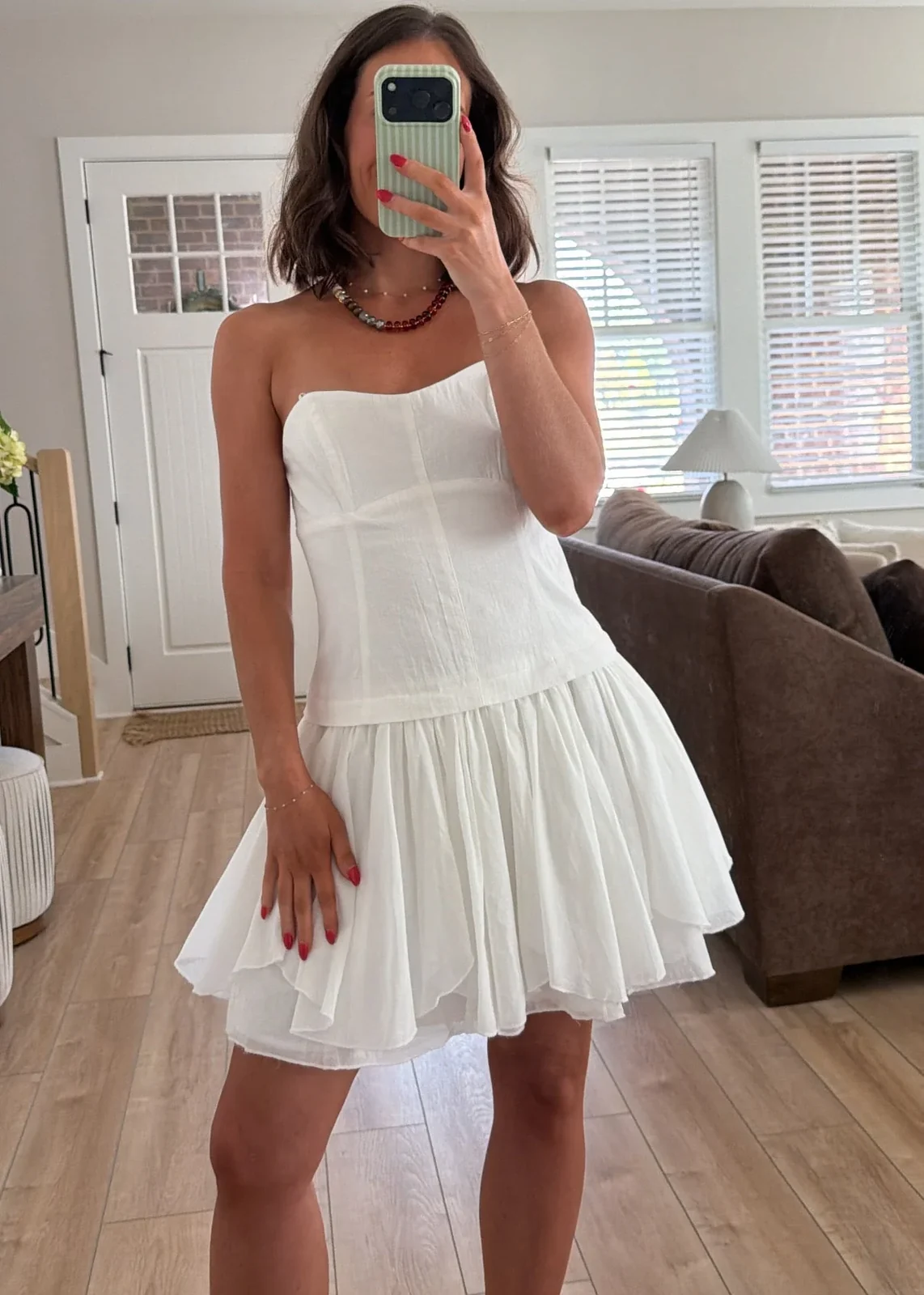
For example, the Fall Fever Drop Waist Dress listing identifies a structured bodice, flowy bottom, back zip-up closure, and a strapless design with optional straps. Those are useful comparison points if you are considering neckline, silhouette, and how the dress closes. They are not a substitute for checking the full listing or deciding whether those features suit your own plans.
Try highlighting statements that answer a question you already have. If a detail is not stated, mark it as unknown rather than filling in the blank yourself. That small distinction helps keep an appealing description from becoming an assumption.
Compare Listed Options Without Guessing
Options can change how a garment is worn or which version you are considering. Check the actual selections shown on the product page, and distinguish selectable choices from features described as included. A description may mention optional straps, for example, but that wording alone does not tell you every detail about how those straps are provided. Read the listing’s option labels carefully and seek clarification when a decision depends on something that is not explained.
Fit language also deserves a close read. “Fits TTS” is a listed fit note, not a promise that every wearer will find the same fit. The dress listing says it fits true to size and notes that the model wears a Small; it also gives the model’s height and measurements. Use those facts as context, not as a direct measurement of how the garment will fit you.
A quick comparison note can help: record the option name, stated fit, and any unresolved question for each item. When shopping across the dresses collection, that simple record makes it easier to return to the details without relying on memory.
Use Materials and Construction Carefully
Material names and construction terms can clarify what a listing actually says, but they should not be treated as a complete prediction of feel, warmth, or performance. A fiber blend tells you the stated composition; terms such as knit, woven, seamless, or stretchy describe listed construction or fabric qualities. They do not answer every question about thickness, opacity, or how a garment will feel against your skin.
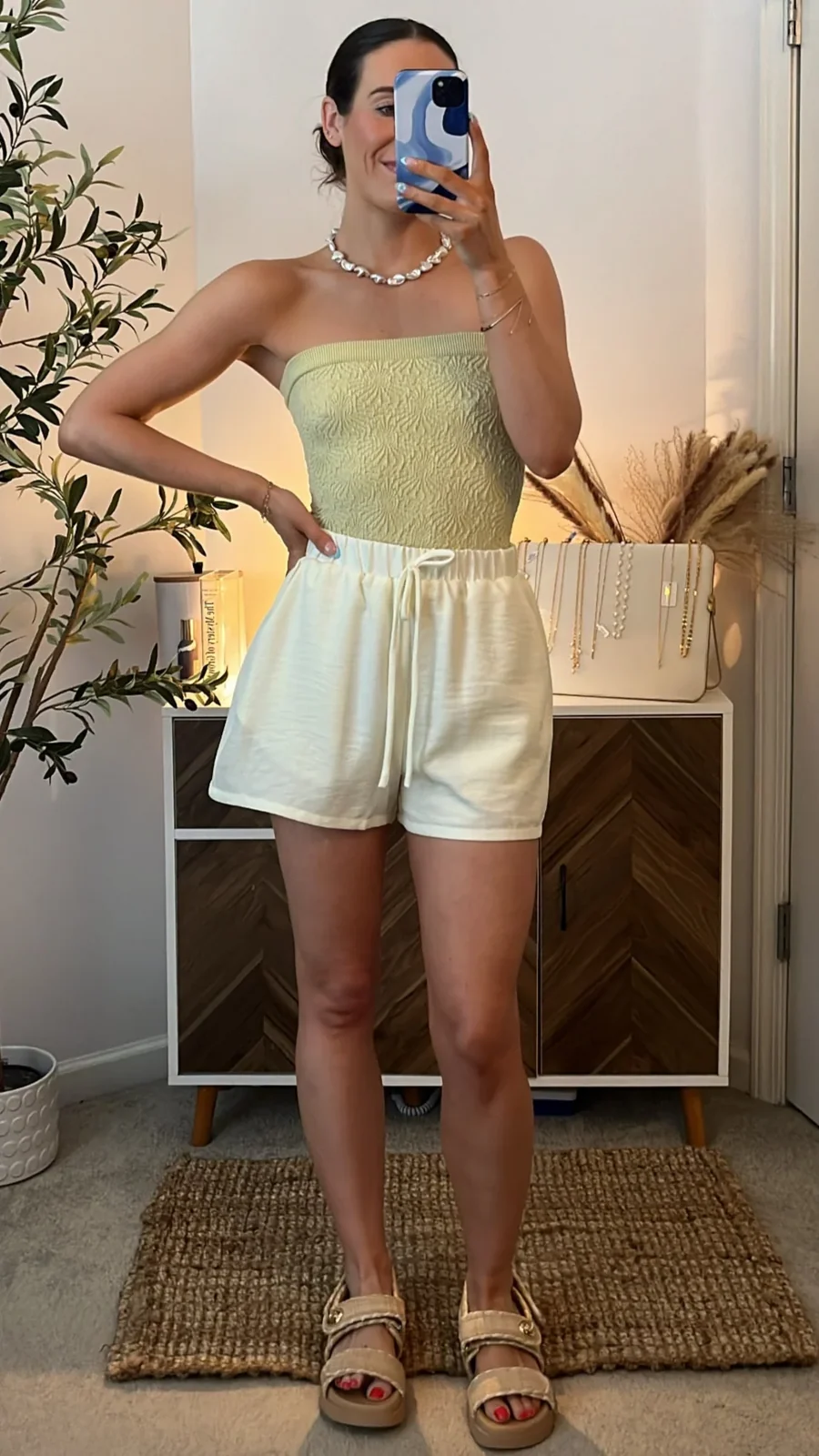
The Barefoot Bay Tube Top listing identifies a knit, seamless style with stretchy fabric and names modal, nylon, and spandex as its materials. It also describes the top as lightweight and breathable. Those details give you a grounded basis for comparison with another top, while leaving room to check the full product information if you need a specific detail that is not listed.
Compare like with like where possible: construction against construction, and stated fiber content against stated fiber content. Avoid inferring a feature from a material alone. If a particular texture, level of coverage, or weight matters to your decision, look for an explicit statement or ask before relying on an assumption.
Check Fit Notes Against Your Own Questions
Fit information is most useful when you turn it into a question about your needs. For a strapless style, you might want to know what the listing says about its fit and available options. The Barefoot Bay Tube Top details describe a versatile strapless fit and identify the garment as one size. That is the stated sizing information; it does not provide a range of measurements or establish how the top will fit every person.
Likewise, the Everyday Move Jacket listing says “Fits TTS/small” and notes that Brooke is wearing a Small. Use those notes as a reference, then check whether measurements or additional sizing guidance are available. Model information can help orient you, but differences in body proportions and personal fit preference remain relevant.
If the page does not answer a question that would change your choice, pause before deciding. A concise inquiry about a specific missing measurement or fit detail is more useful than guessing from a photograph or from another garment you own.
Keep Care Instructions in the Decision
Care is part of the comparison, especially if you want clothing that fits your usual laundry routine. Look for care instructions in the product listing and check the garment care label when you have the item. The garment care label is the final authority. Do not choose a wash method, drying method, or ironing approach based on a fiber name alone.
If care information is not shown online, treat it as an unanswered question rather than assuming that two similar-looking garments need the same handling. A material blend may be useful context, but it does not replace garment-specific directions. Consider whether the stated instructions, once available, are practical for you to follow.
Before you settle on an option, review your short list: the features you need, the exact choices offered, fit information, and care details. Keep confirmed facts separate from open questions. This measured approach makes comparison clearer without requiring a perfect prediction of how a garment will feel or look once worn.