Repeating an outfit is a practical way to get more from the clothes you already enjoy wearing. The key is not to disguise the original combination, but to shift one or two details so it suits a new mood, setting, or stretch of the season. Start with the pieces that feel comfortable and reliable, then change the layer, texture, proportion, or styling around them. A small, deliberate edit can make a familiar look feel considered rather than automatic.
Keep the Outfit’s Strongest Part
Before changing anything, identify what makes the outfit work for you. Maybe it is the balance of a fitted top and a fuller bottom, a color combination you reach for often, or simply the way the pieces feel during a long day. Keep that useful element in place. Reworking every part at once can turn a trusted outfit into a styling puzzle, while preserving one anchor gives the new version a clear starting point.
Then choose one change to test. If the original look is built around a dress, try a different layer or adjust how formal the surrounding pieces feel. If it centers on a skirt, keep the shape and switch the top’s texture or color. Take a quick mirror check from a few steps back: does the familiar proportion still feel balanced? This simple pause helps you edit with purpose instead of adding changes just to make the outfit look different.
Change the Layer, Not the Whole Look
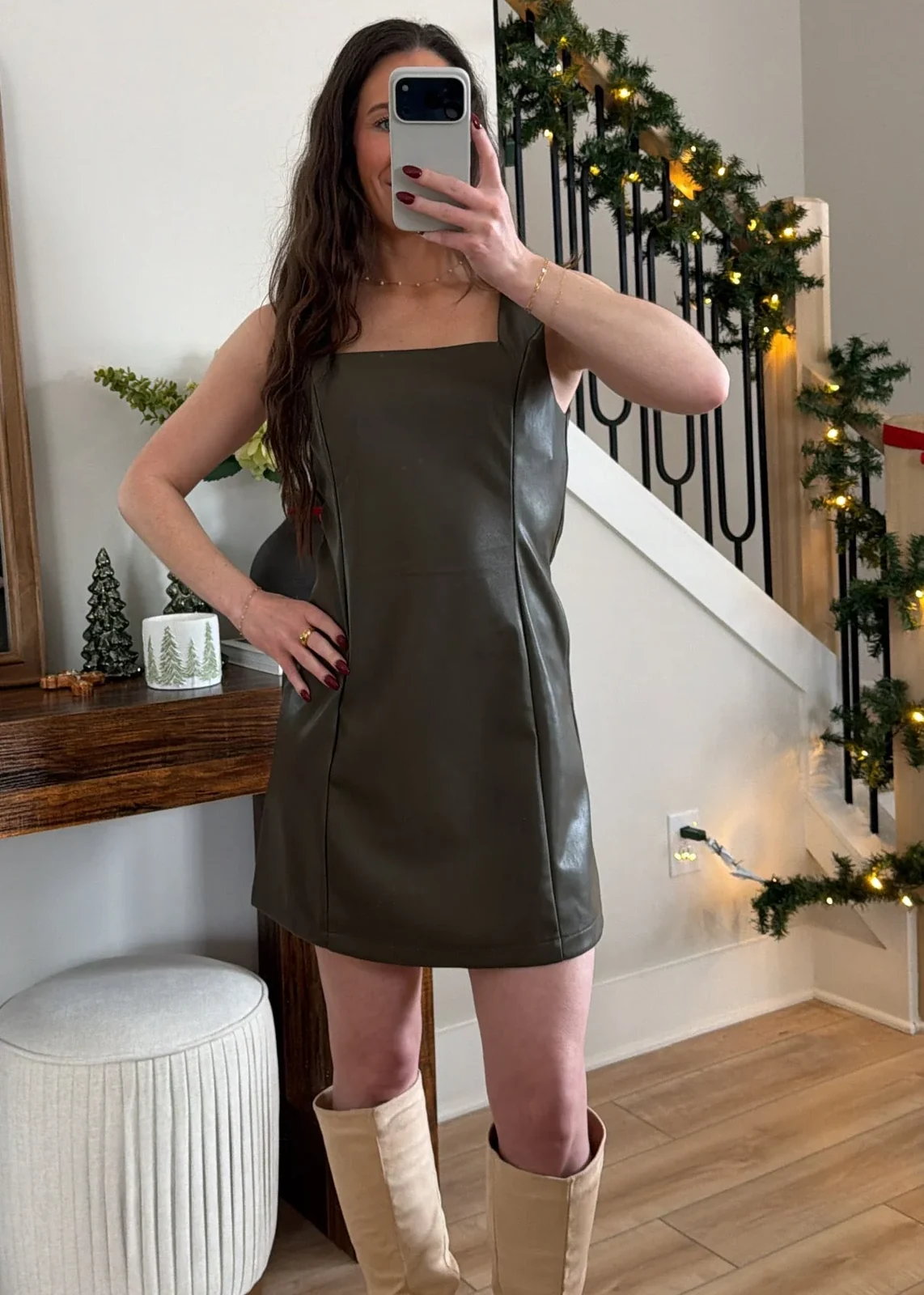
A layer can shift an outfit’s mood while leaving its core intact. A cardigan reads differently from a sharper jacket or a light coat, so consider the day’s temperature and setting before choosing. For a dress with a clean shape, a layer can soften the look for daytime or add structure when plans feel more polished. The Mont Blanc Leather Dress has a square neckline and tailored lines; its product details also note that it can be layered with a blazer or coat for cooler days.
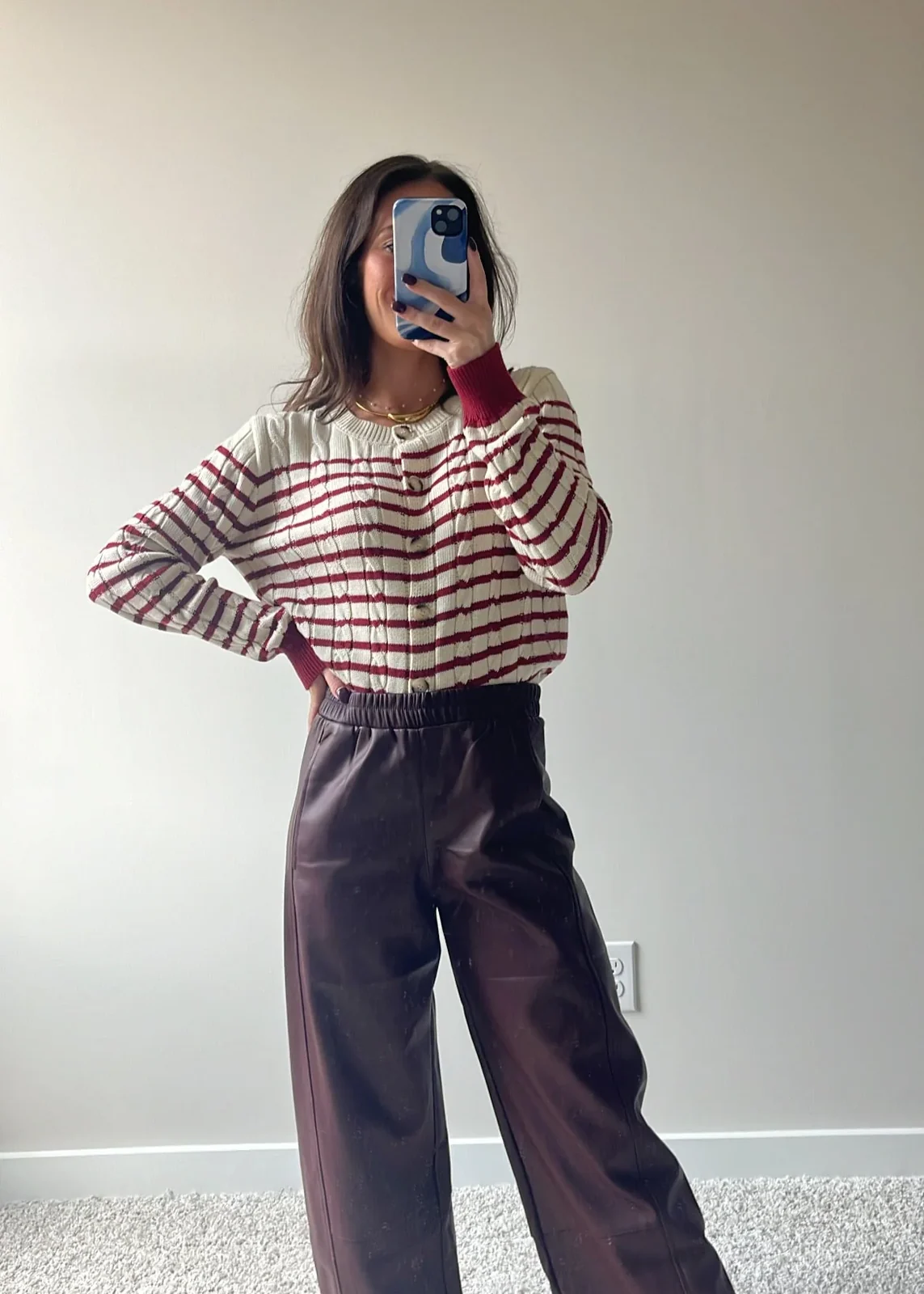
For a more relaxed direction, try a cardigan over a simple top and skirt combination. The Merlot Stripe Cardigan Sweater is described as a cozy, striped layer, with a cotton-and-acrylic material blend listed in its details. Let a noticeable layer do the visual work: keep the other pieces comparatively simple, or repeat one of its colors elsewhere in the outfit. If you are deciding between sizes, check the listed fit guidance; the product description says it fits true to size and suggests sizing up for a looser fit.
Use Texture to Make Familiar Pieces Feel Different
Texture changes the impression of an outfit even when the color palette stays much the same. Pair a smooth-looking surface with a knit, or bring a lace detail into a combination that otherwise feels plain. The contrast gives the eye something to notice without requiring a new set of colors or a more complicated silhouette. Keep the number of competing textures modest; one distinct contrast is often easier to wear than several statement surfaces together.
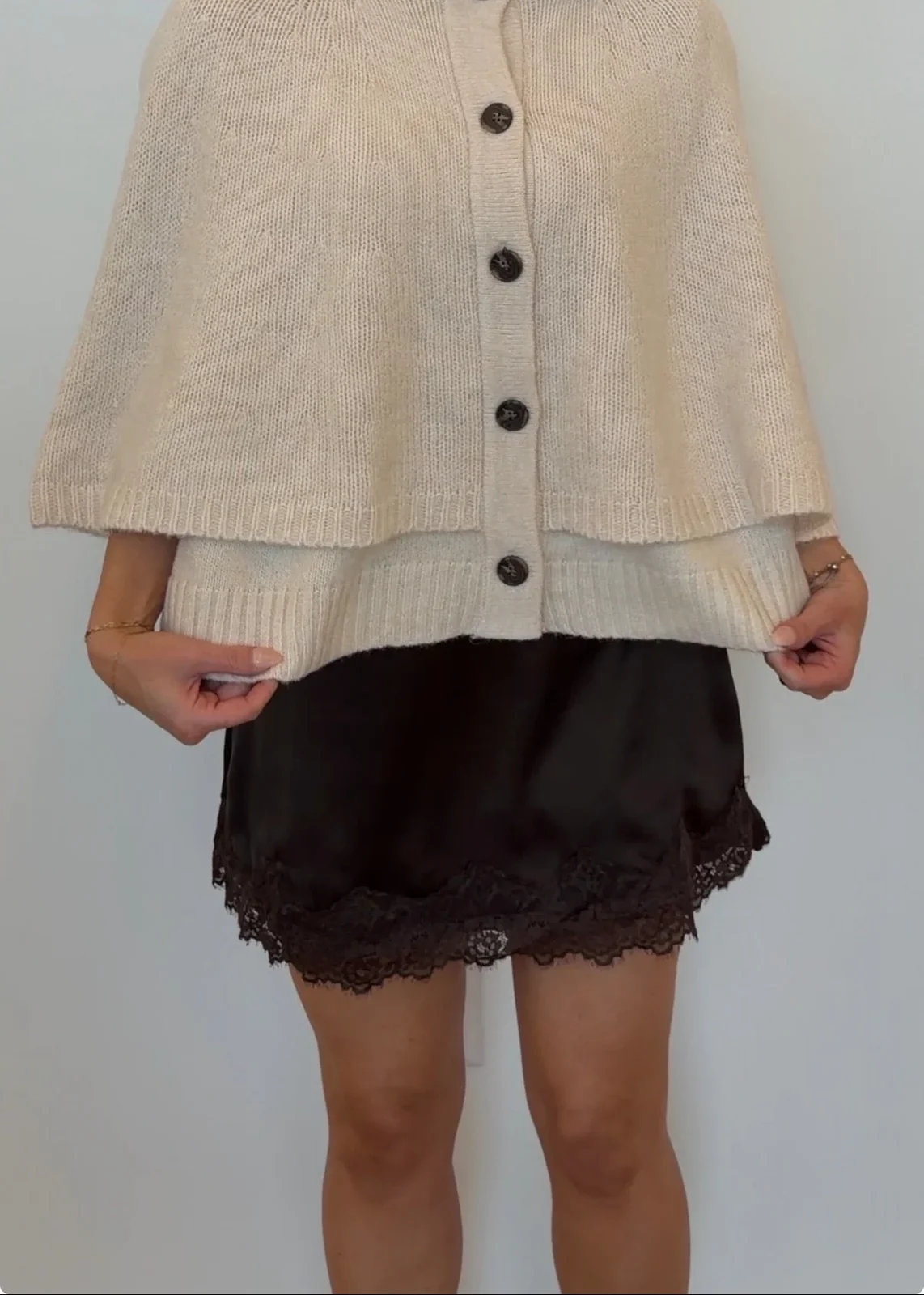
The Fall Flair Lace Mini Skirt is described with lace trim, an elastic back waistband, and shorts underneath. Those are product-specific details worth checking as you plan how to wear it, rather than assuming every lace skirt is constructed the same way. For a fresh repeat, you might keep the skirt and change the top from a smooth, simple piece to a knit layer, or reverse that idea. When shopping by texture, read the material and construction details on the product page, and follow the garment care label as the final authority.
Adjust Color Without Starting Over
You do not need a new palette every time you repeat an outfit. Keep two colors that already work together, then introduce a different third color through a top or layer. Alternatively, reduce the number of visible colors for a quieter version of the same look. This approach is especially useful when a favorite combination feels too recognizable: a changed color near the face or over the shoulders can shift the overall impression while the main pieces stay familiar.
For a dependable edit, look at the colors already present in the outfit and choose a new shade that relates to one of them. A stripe can offer several colors to draw from, but it does not mean every color needs to be repeated elsewhere. If you want more ideas for building combinations from pieces you own, explore the knitwear collection as a way to consider layers and color together. For more focused wardrobe planning, the Journal’s guide to easy color pairings can help you think through combinations without treating every outfit as a separate shopping list.
Style for the Occasion You Have
The same clothes can feel right for different plans when you adjust their finish. For a casual day, keep the styling relaxed and comfortable; for dinner or another more polished occasion, make the lines look intentional and reduce competing details. Consider how much movement the day involves, whether you will be indoors or outdoors, and what layers you may need. Occasion-specific styling is not about following a rigid dress code. It is about making the outfit practical for where you are going.
A structured dress, for example, can move between settings with a change in layering and the overall level of formality. The Mont Blanc Leather Dress is described as smooth faux leather with a structured, tailored fit, a square neckline, wide straps, and a satin lining. Use those listed details to decide what layers make sense, and consult its product page for the complete information before choosing a size. For a skirt outfit, consider whether the top and layer feel balanced for the plan. The bottoms collection offers another place to browse when you are thinking about proportions rather than replacing an entire outfit.
Make a Small Repeat-Wearing Plan
When you find a combination you like, remember the details that made it work. A brief note on your phone can record the base pieces, the layer, and the setting where you wore them. Add one alternate version beside it: same dress with a different outer layer, or the same skirt with a changed top texture. That gives you a useful prompt on a busy morning and makes it easier to notice which pieces earn regular use.
Keep the plan flexible. Weather, comfort, and the day’s schedule may change what feels right, so think in options rather than fixed formulas. Before adding anything to your wardrobe, check whether a layer or texture you already own could make the outfit feel new. If you are considering a new piece, read its listed materials, features, and fit notes rather than relying on assumptions based on appearance. For care, the garment care label is always the final authority. Repeating an outfit is less about having endless combinations than learning a few thoughtful ways to wear the pieces that already feel like you.