A day-to-evening outfit does not need a dramatic transformation. Often, the useful shift is a small one: remove a layer, adjust a zipper, or change how much of a base piece is visible. The goal is to begin with clothes that feel comfortable during the day and still look considered when plans continue into the evening.
Start with a simple base, then choose one removable layer that suits the day’s temperature and activity. Pay attention to proportion as you build the outfit. A relaxed layer over a fluid dress, for example, creates a different outline than a short layer over a straight tank and trousers. These choices can make an outfit feel intentional without asking you to pack a second look or change completely.
Choose a base that can stand on its own
The most useful base piece is one you would be comfortable wearing without the extra layer. That matters when the afternoon warms up or an indoor room feels stuffy. Before leaving home, try the base on by itself and check the neckline, hem, and overall silhouette in a mirror. If it already feels finished, adding and removing a layer becomes easy rather than a rescue plan.
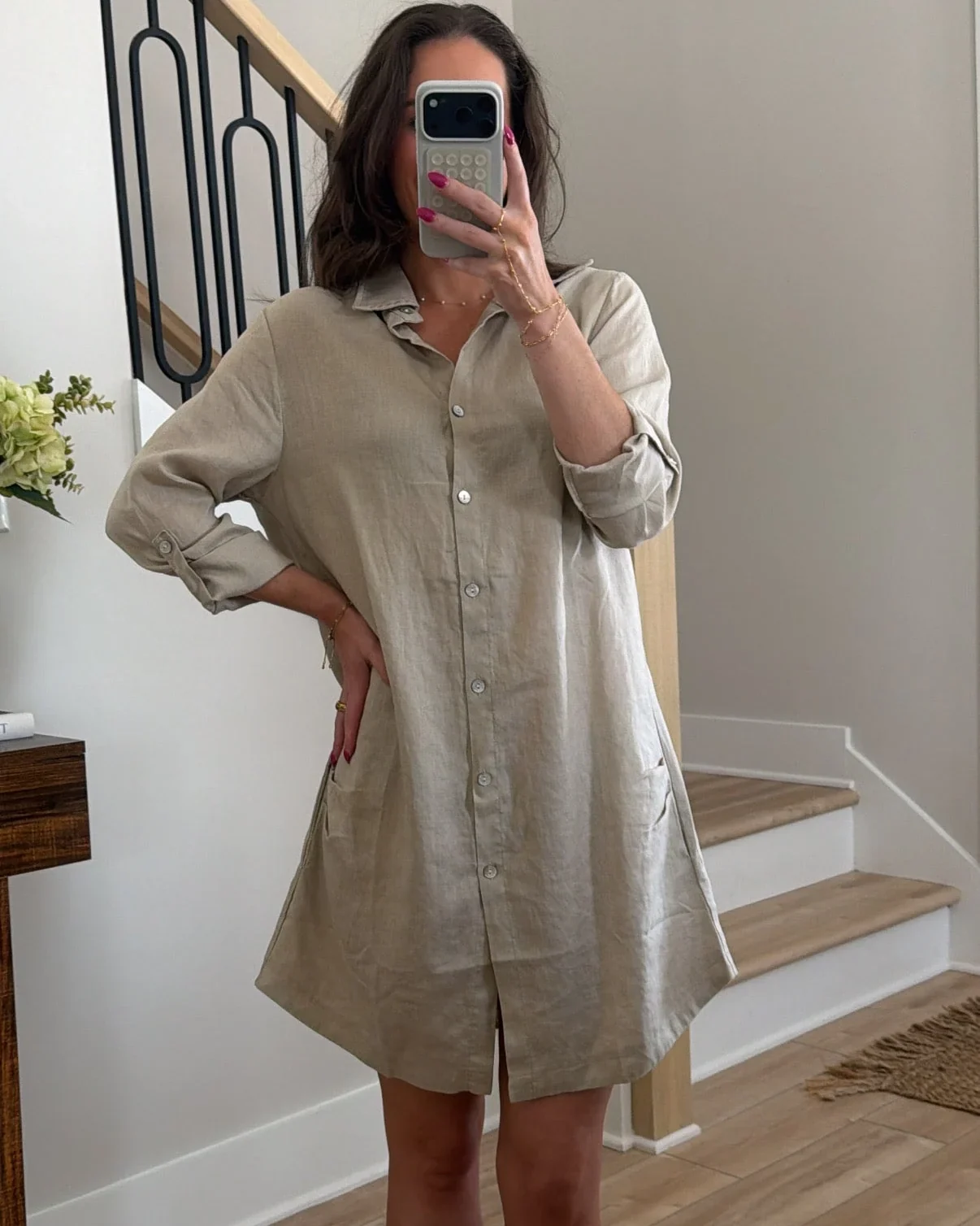
A dress can make a straightforward starting point because it creates a complete outfit in one piece. The [Milano Linen Dress] is described as a relaxed, 100% linen dress with side pockets and a full button-up front. Its product details describe it as suitable for warm-weather days and breezy evenings. For more options, browse the boutique’s dress collection, then check each listing for its fabric, features, and fit notes before deciding how you might layer it.
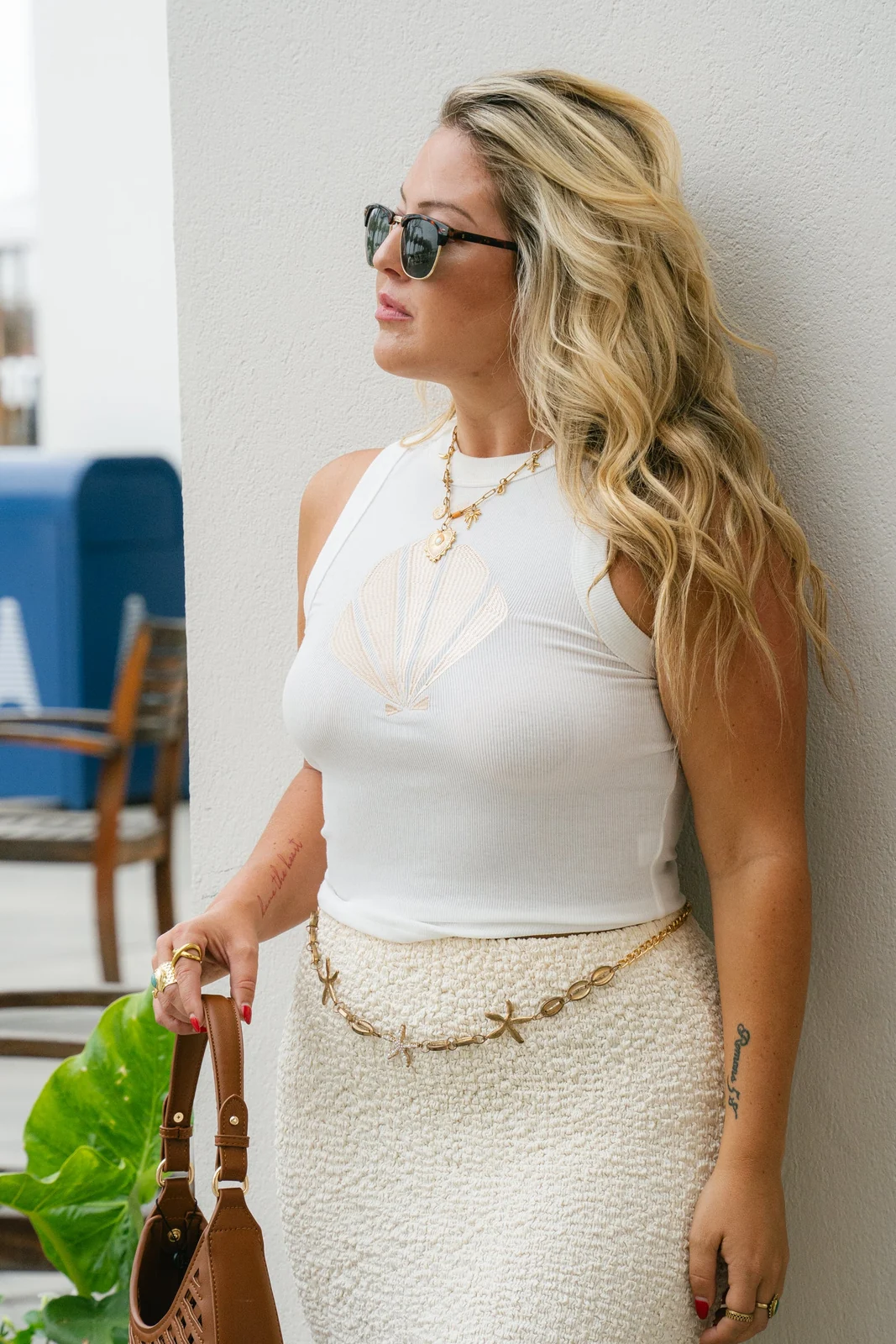
If you prefer separates, let a tank or other simple top serve as the base, with your usual bottoms chosen for the day’s plans. The Solstice Shell Embroidery Tank has a shell embroidery design and is described as a layering piece or a top to wear alone. Its listed fit is small, so review the sizing details rather than assuming it will fit like another tank in your closet.
Make the layer easy to remove
A layer earns its place when you can take it off without disrupting the rest of the outfit. Consider whether it is comfortable to carry or store once removed, whether it has a shape that still looks neat when worn open, and whether you can put it back on quickly when the temperature drops. Those practical checks matter more than choosing a layer solely because it looks good in a mirror.
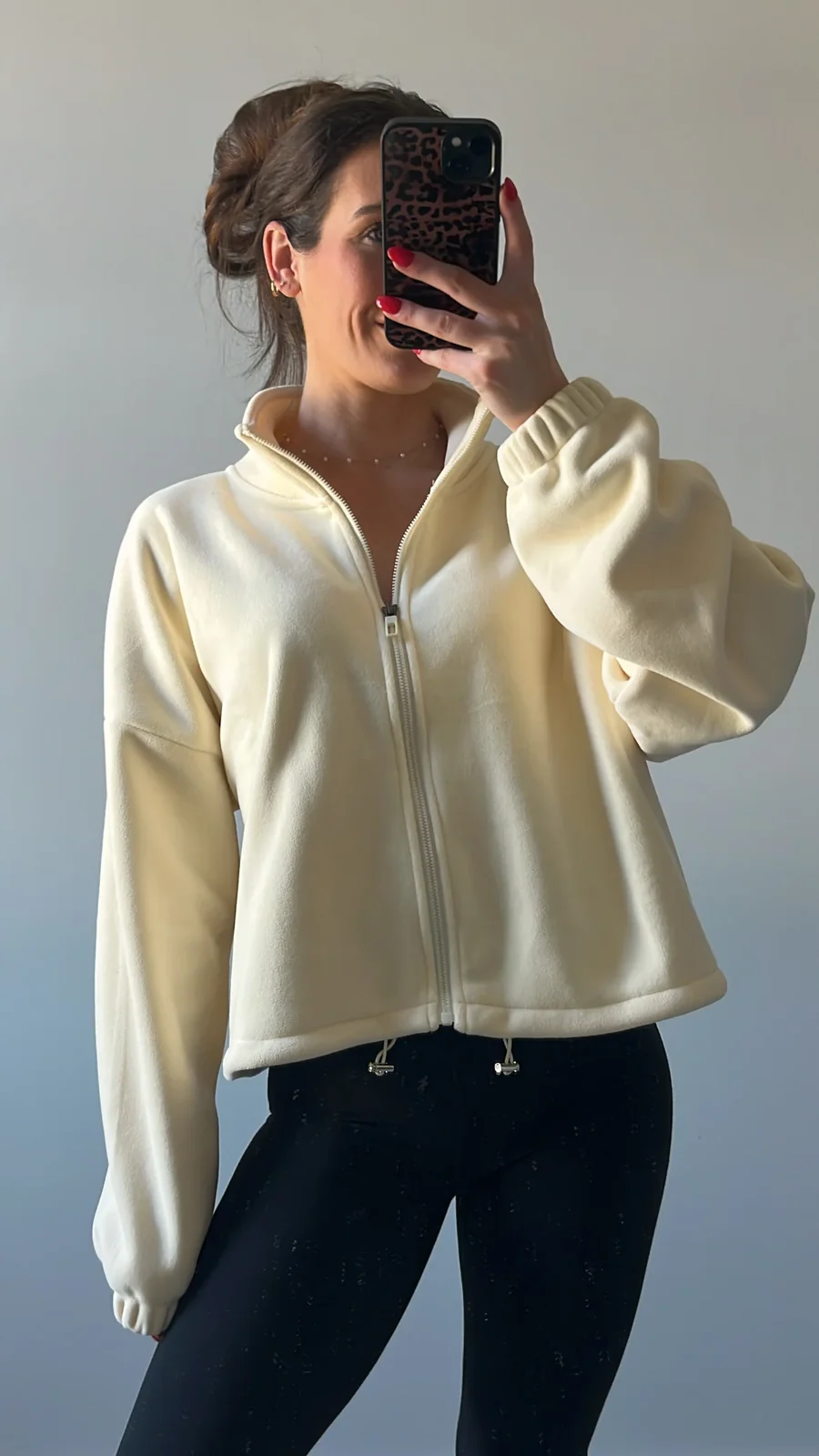
For a casual option, the Inspira Half Zip Jacket is described as lightweight, with a front zipper and an adjustable bottom. Its product details mention wearing it fully zipped or half zipped. That adjustability gives you a simple way to alter the look while keeping the same base outfit. The listed material is neoprene, cotton, and polyester; check the product page for the complete details and the garment care label for care instructions.
Keep the rest of the outfit uncomplicated when a layer has a noticeable zipper, cinch, or other visible feature. A clear focal point helps the whole look feel composed. If the base already has embroidery, buttons, or a distinctive neckline, you can still add a layer, but consider whether it obscures the detail you want to keep visible.
Use proportion to make a small change feel deliberate
Proportion is the relationship between the visible lengths and shapes in an outfit. It can shift the impression of the same clothes without requiring a new combination. With a relaxed dress, a shorter layer can leave more of the dress visible below it. With a longer layer, the outfit may read as one continuous, casual silhouette. Neither approach is automatically better; choose the outline that feels balanced to you and suits the setting.
When wearing separates, check where the top ends in relation to the waistband and the hem of the outer layer. If several hems land close together, the outfit can look busy. Try changing which piece sits on top or adjusting the layer so that the lengths are easier to distinguish. For more ideas on combining garment lengths, see choosing lengths that work together.
Use a quick mirror check from the front and side before heading out. Notice whether the layer adds bulk where you do not want it, whether the base is still visible in a useful way, and whether you can move comfortably. A brief walk, a seated position, and reaching forward are practical tests. If the outfit only looks balanced while standing still, make an adjustment before the day gets busy.
Plan for changing temperatures and settings
Indoor and outdoor temperatures can differ, and a long day may include both active and quieter stretches. A layer that is easy to open or remove gives you options without turning the outfit into a complicated system. Think about how much warmth you need at the start of the day and whether your destination is likely to feel cooler. Product descriptions can help you understand listed features, but they cannot predict the conditions of your particular outing.
For a day that begins outdoors, an adjustable layer can be useful when you want coverage early and a more open look later. For a warm afternoon, a dress or tank that works on its own may be enough, with a layer reserved for a breezier evening. If you are unsure about a garment’s weight, opacity, or fit, review the product listing and ask the boutique to clarify details that are not provided. Do not rely on a fiber name alone to determine how a garment will feel or how it should be cleaned; the garment care label is the final authority.
Shift the outfit without starting over
When the day moves into evening, begin with the simplest adjustment: remove the outer layer and check the base. If it looks complete, stop there. If you want to keep the layer, try wearing it open, lowering a half zip, or adjusting its bottom if the garment has that feature. Small changes can make a familiar outfit feel less like daytime gear while preserving comfort.
Look at the overall line after each adjustment. A layer that looked right during a breezy walk may feel bulky at a table or indoors. Taking it off can bring the outfit back into focus. Conversely, a cooler evening may make the extra layer useful again. The point is to respond to the setting rather than follow a rigid rule about what evening clothes must look like.
If you often move between daytime plans and dinner, repeat a combination you already know works and refresh it with a different layering choice. You can also keep the base consistent while changing how the outer piece is worn. For more ways to make familiar clothes feel current, read how to repeat an outfit with fresh details.
Try the outfit before the day begins
A short try-on at home can save last-minute uncertainty. Put on the base and layer together, then remove the layer and check the base on its own. Notice whether the outfit is comfortable when sitting and moving, and whether the removable piece is easy to manage. If you are packing for a day away, consider whether each piece works in more than one combination instead of bringing layers that serve only one narrow purpose. The same approach can help when planning a trip; see road-trip outfits that prioritize comfort and options.
Keep the plan simple: choose a base that feels complete, add one practical layer, and use proportion and adjustability to respond to the day. A full change is not always necessary. When every piece has a clear role, a few small choices can carry an outfit from an ordinary afternoon into the evening with ease.