A garment can catch your eye and still not be the right choice for your wardrobe. Before deciding, pause over four practical questions: What can you learn from its construction? How might its fit work for you? What care will it need? And can you picture wearing it in more than one way? These checks do not take the pleasure out of browsing; they help you distinguish a passing impression from a piece you can use with confidence. You do not need to know every technical term. A closer look at details and an honest note about your routines can tell you more than a quick glance at color or silhouette.
Read the construction, not just the silhouette
Start by looking at how the garment is put together. Notice the seams, hems, closures, waistband, and any shaping details. Ask whether these elements look suited to the way you expect to wear the piece: a closure should be easy for you to manage, and a waistband should make sense for the tops you plan to pair with it. If you can inspect the garment in person, look at the inside as well as the outside and gently check whether seams lie flat. Online, use the available product description and photographs; if a detail matters and is not shown, avoid filling in the blank with an assumption.
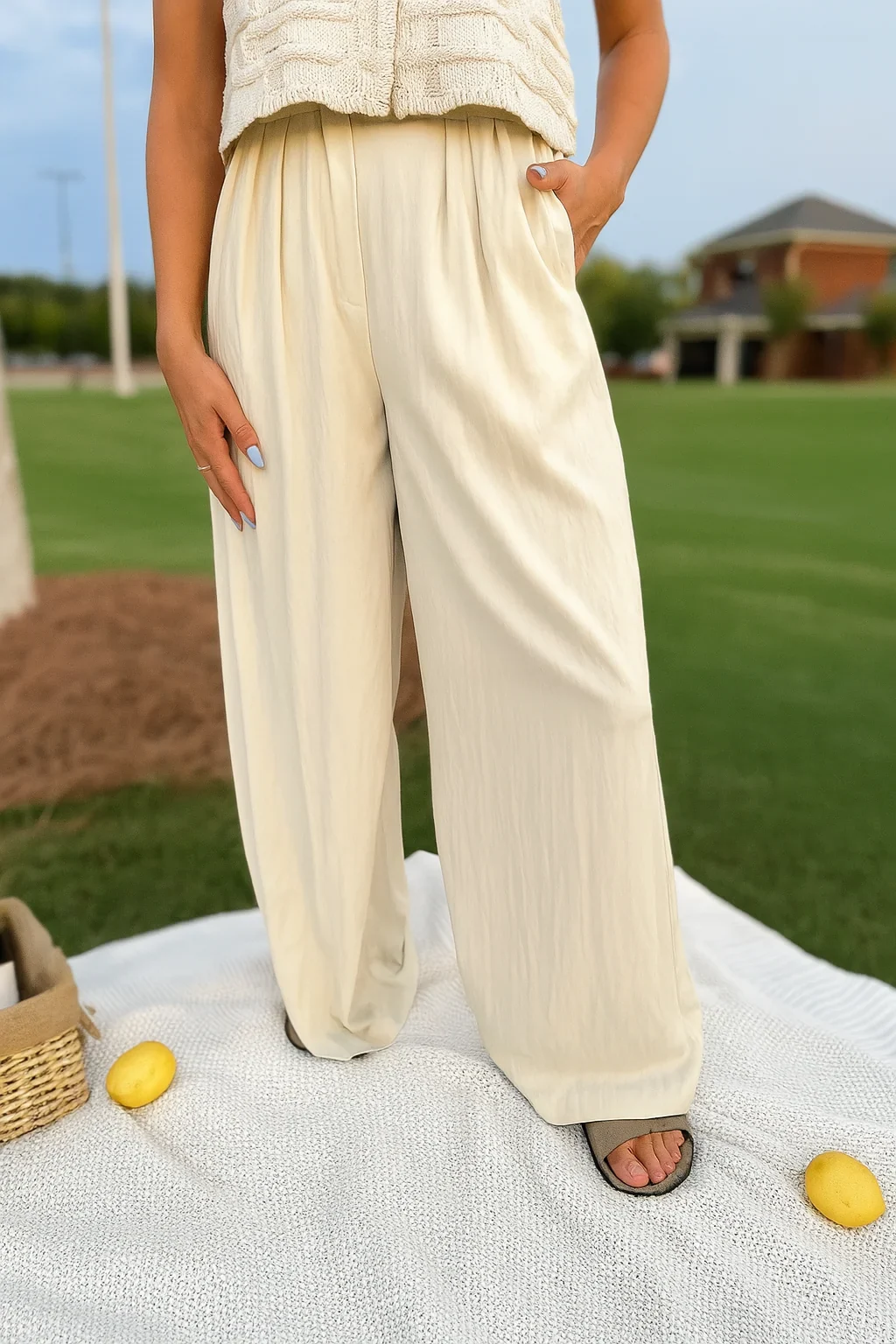
For example, the Piazza Trousers are described as having a structured waistband, front zipper, and soft pleating. Those are concrete details to consider alongside their wide-leg silhouette. They do not tell you everything about how the trousers will feel on your body, but they give you useful points to compare with your preferences. Construction is not a contest in which more details automatically mean better clothing. Look for details that support your everyday use, and treat missing information as a reason to check rather than guess.
Translate fit notes into your own needs
Fit language is most useful when you connect it to measurements, proportions, and habits you already understand. Terms such as “loose,” “cropped,” or “high rise” describe a general direction, not a promise of the same result on every person. Check whether a listing provides a size guide or garment measurements, and compare them with a similar item you own. Consider where a hem may fall, how much room you prefer through the body, and whether you like a waistband to sit higher or lower. If a useful measurement is not provided, treat that uncertainty as part of the decision instead of relying on a label alone.
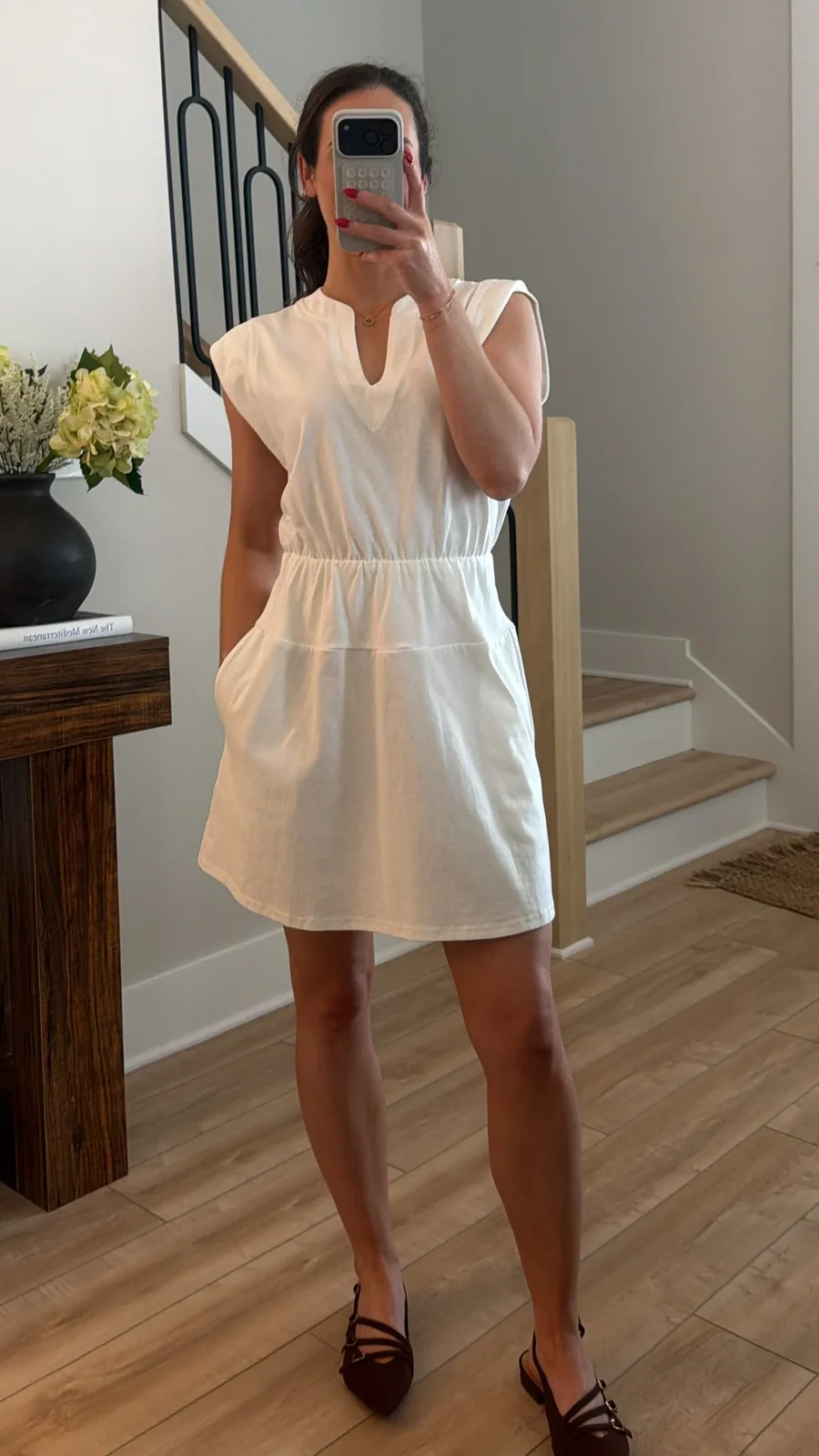
The Isla Cotton Dress is described as an easy, loose fit with an elastic waistband. Think about whether that combination matches your preferred shape and how you like a dress to sit through the waist. For the Piazza Trousers, the listing says they fit true to size and are long; the model wears a size Small. Use those notes as reference points, not substitutes for your own fit preferences. When deciding between sizes or silhouettes, focus on the area where fit matters most to you.
Check the details that affect comfort
Comfort depends on more than whether a fabric sounds soft or lightweight. Think about the garment’s shape, how it moves, and what you prefer against your skin. A description may mention stretch, a close or loose fit, a neckline, or a feature such as pockets. These clues can help you picture daily wear, but they cannot answer every personal question. Consider the temperatures and settings where you usually dress, whether you like fabric close to your neck or arms, and whether you need room to move. If texture or weight is important, look for specific information or inspect the item when possible.
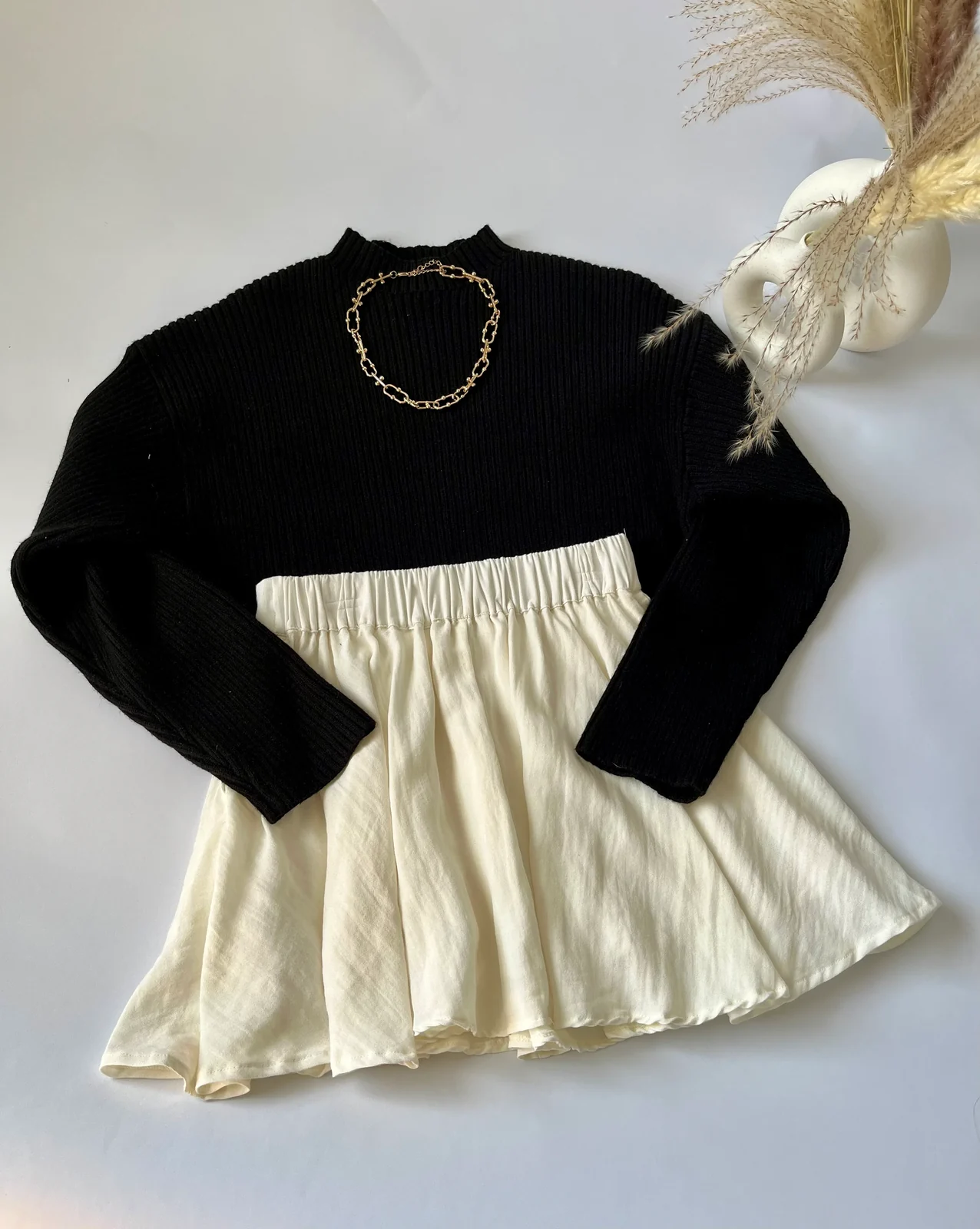
The To the Mountains Ribbed Cropped Sweater is described as stretchy, ribbed, cropped, and finished with a short turtleneck. Those details offer a practical starting point: consider whether you enjoy a cropped length and that neckline, and whether stretch is a feature you value. The Isla dress listing notes side pockets and an elastic waistband, which may matter if those features are useful in your routine. Neither description can determine comfort for every wearer. Let product facts guide your questions, then weigh them against your own preferences rather than treating adjectives as a personal fit assessment.
Make care part of the decision
Before buying, find the care information and decide whether it fits your actual routine. Check the garment’s care label when you have access to it; the care label is the final authority. A product description may identify fiber content, but fiber names alone are not enough to prescribe washing, drying, or pressing. Look for clear care instructions and consider whether you can follow them consistently. If the instructions are unavailable or unclear, ask for clarification when possible. A piece that needs more attention than you are willing to give may still be appealing, but that extra effort belongs in your decision.
For instance, the Isla Cotton Dress is listed as 100% cotton, while the sweater is listed as 50% viscose, 29% nylon, and 21% polyester. Those descriptions tell you the stated composition, not a complete care routine. Likewise, the Piazza Trousers are listed as 65% rayon and 35% polyester, but that information by itself does not establish how they should be cleaned or dried. Check the care label rather than relying on general assumptions about a fiber. If you know you prefer low-maintenance clothing, make care requirements one of your early filters, alongside fit and construction—not an afterthought once you are already attached to the look.
Picture more than one way to wear it
Repeat styling is a useful test because it puts a garment in the context of clothes you already own. Before deciding, picture at least two outfits using pieces from your closet. Consider color, proportion, and the occasions you actually dress for. A distinctive shape can still be versatile if it works with several familiar tops or layers; a simple color is not automatically useful if you cannot pair it with anything you wear. Think about whether the garment fills a gap or duplicates something that already serves the same purpose. This is not a demand to justify every purchase with a long list of outfits. It is a quick way to make the choice more grounded.
A wide-leg trouser might work with more than one top shape, while a cropped sweater invites you to consider what you already wear with a shorter hem. For a dress, think about the settings in which its silhouette and details feel appropriate to you. You can browse the dresses collection with this same method: start from the clothes and occasions in your life, then compare the available details. If you are building a reliable wardrobe, repeat wear matters more than imagining an idealized lifestyle. Choose combinations you can honestly see yourself reaching for.
Use a simple final check before deciding
Bring the four questions together before you make a decision: Do the construction details suit your needs? Do the fit notes give you enough confidence, or is there something important to verify? Can you follow the care label’s instructions? Can you name a couple of realistic ways to wear the piece with clothing you own? You might also ask which uncertainty would change your mind. If it is a missing measurement, seek that information; if the care routine sounds impractical, be honest about it. A short pause can keep a beautiful first impression from doing all the work.
Not every answer needs to be perfect. Sometimes a garment has an appealing feature that makes it worth investigating further; sometimes a mismatch becomes clear once you consider your routine. The goal is not to talk yourself into or out of a piece, but to make a decision with enough information for your circumstances. Keep your standards personal: prioritize the fit details that matter to you, the care you can manage, and outfit combinations you would genuinely wear. That way, the choice rests on more than a photograph, a trend, or a single flattering detail.