A product description is most useful when you read it as a set of practical clues, not a promise that a garment will suit every body or occasion. Start with the fiber content, then look at construction details, fit language, available variants, and care information. Each answers a different question: What is it made from? What can adjust or function? How is the fit described? Which version is listed? What should you check before washing? Here’s a straightforward way to put those details together and decide what you still need to know.
Start with the fiber content
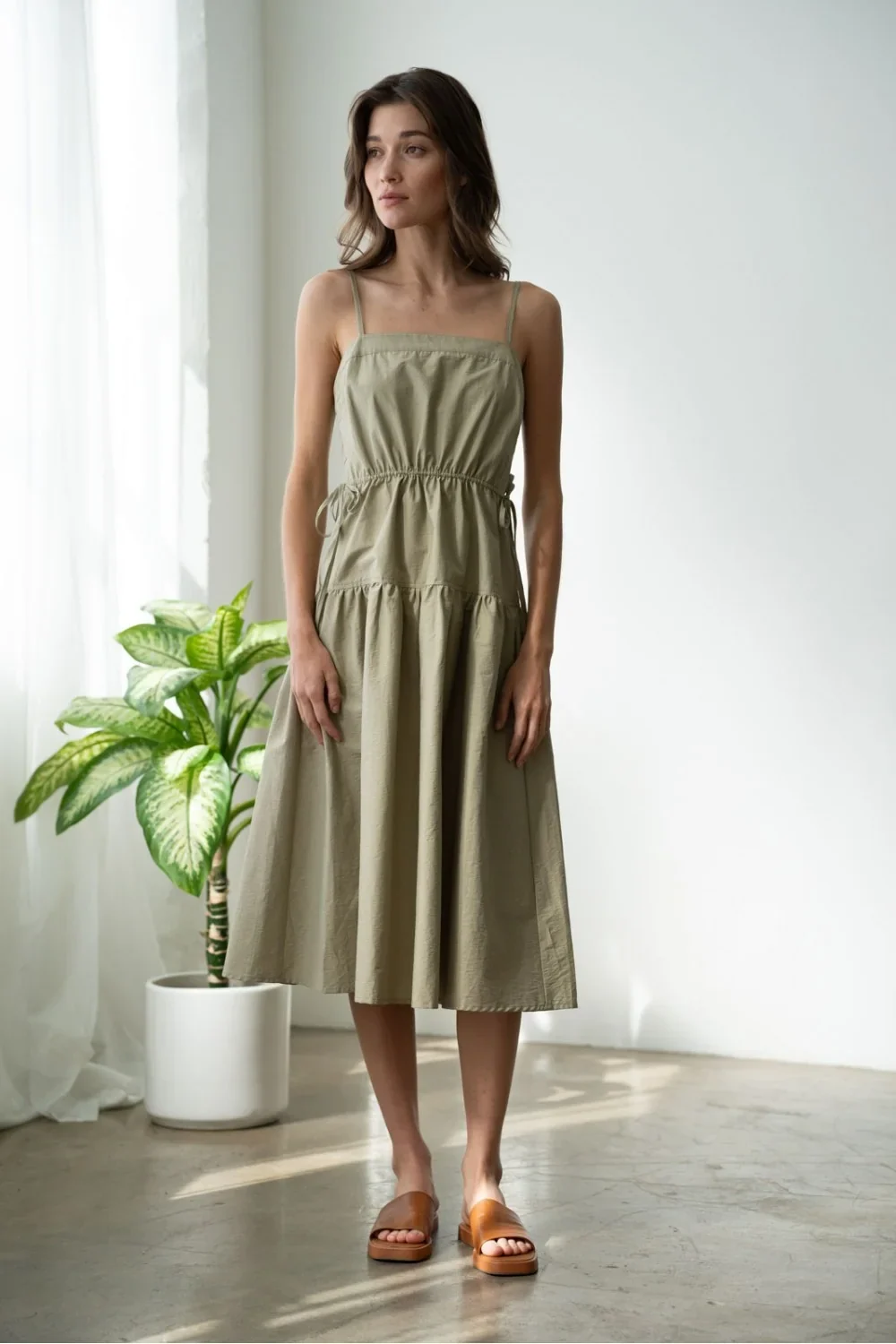
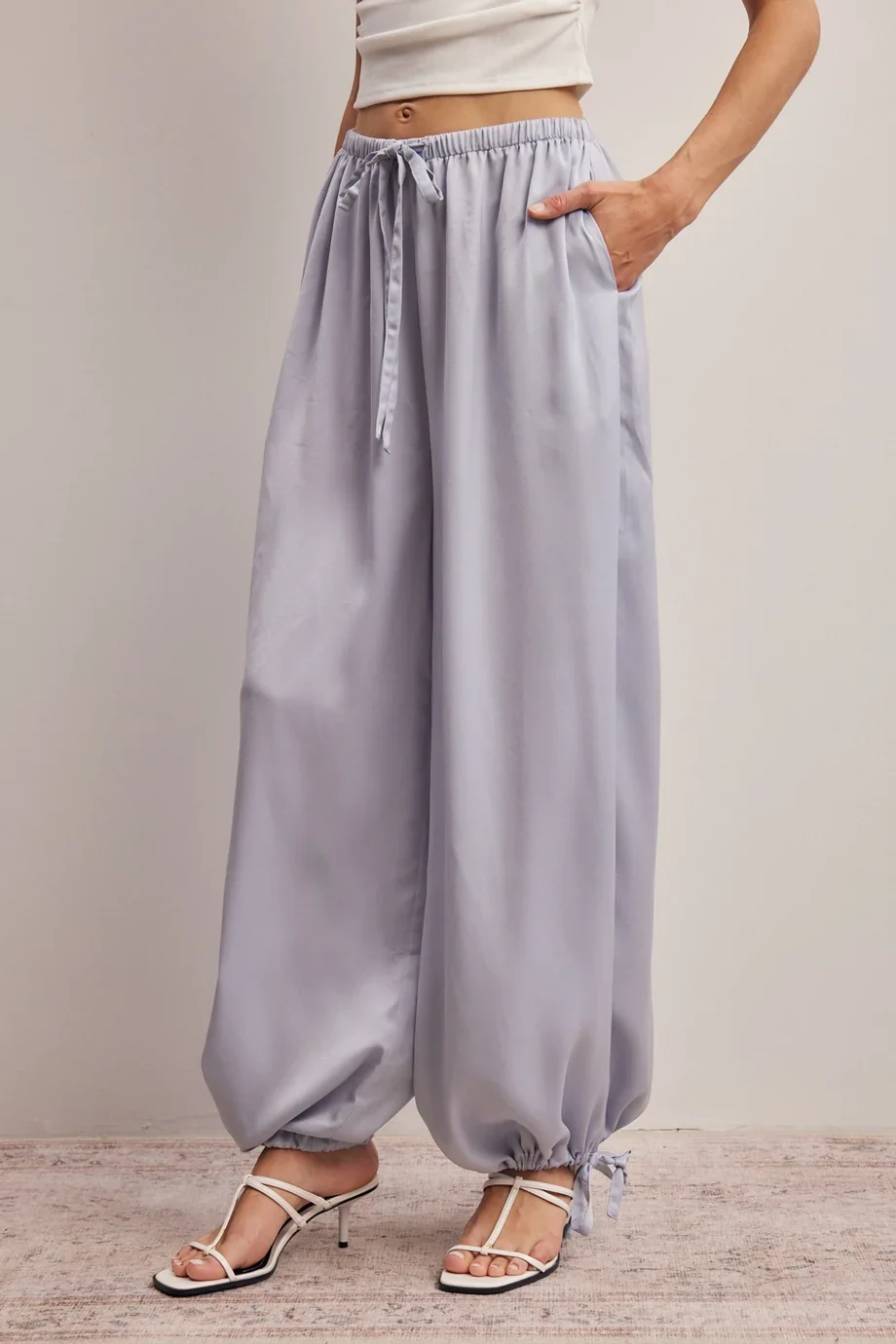
The material line names the fibers and, when provided, their proportions. That is more specific than a phrase such as “light and breezy,” which describes an impression rather than the textile itself. For example, the Under the Tuscan Sun Dress lists 84% cotton and 16% polyester. The Ocean Mist Silk Pants, despite “Silk” in the name, list 100% polyester. Reading the material line prevents a title or promotional wording from standing in for the stated fiber content.
Fiber content is a useful starting point, not a complete forecast of how cloth will feel or behave. The description may not identify fabric weight, texture, stretch, or opacity. If one of those matters to you, look for a direct detail or ask the retailer rather than guessing from the fiber name. Avoid treating a fiber as a care instruction, too: the garment’s care label is the final authority.
Separate features from flattering language
Descriptions often mix concrete construction details with mood-setting phrases. Features you can picture—pockets, adjustable straps, a waistband, or a stated length—are easier to evaluate than broad claims about elegance or comfort. For the Under the Tuscan Sun Dress, the listed features are adjustable shoulder straps, a side waist adjustable strap, and midi length. Those details tell you what can be adjusted and give a length category; they do not specify exact measurements or how the dress will sit on you.
Use each feature to form a practical question. Are straps adjustable in a way that may help you fine-tune their length? Does the description identify pockets, and where? Is a waist detail adjustable, fixed, or simply decorative? If the listing does not answer a question you care about, mark it as unknown. That is more reliable than filling in gaps based on a styled photo or a phrase like “flattering silhouette.”
Translate fit language into questions
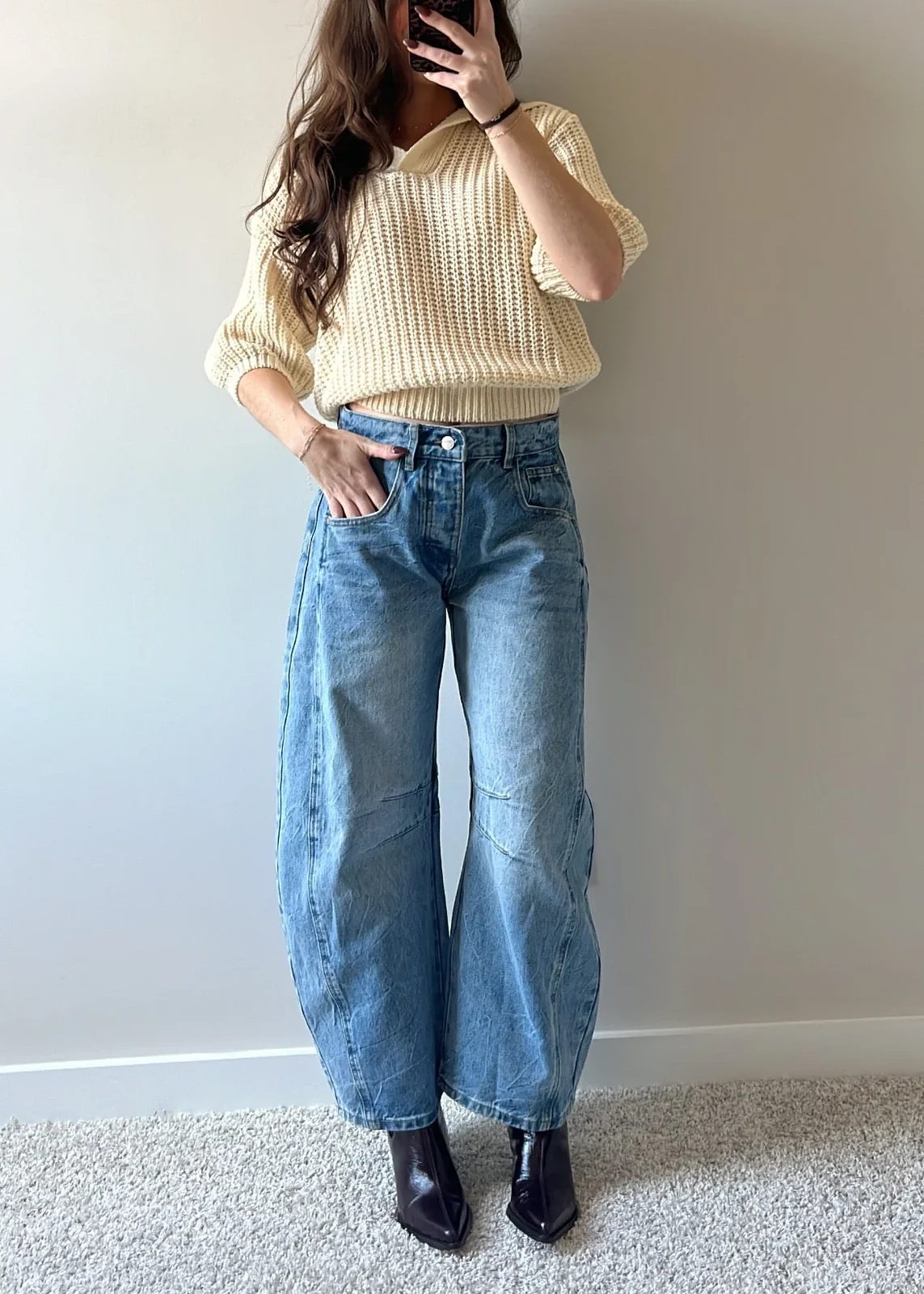
Fit terms are useful only when you treat them as descriptions, not exact measurements. “Fits slightly oversized,” “fits oversized and loose,” and “fits TTS” communicate different expectations, but they do not tell you the garment’s dimensions or settle which size will work for you. The Montana Dreams Barrel Jeans are described as fitting slightly oversized; the Ocean Mist Silk Pants are described as fitting oversized and loose; the Under the Tuscan Sun Dress is listed as fitting TTS.
Think about the shape you prefer and how you expect to wear the piece. With a deliberately loose fit, would you want room through the body, or a closer result? For a dress, which areas would you want to sit comfortably? If measurements are available, compare them with a similar garment you own, laid flat and measured consistently. For a fuller explanation of how to use fit descriptions, read why fit is more useful than a size label. A model’s size can provide context, but it is not a substitute for your own measurements or preferences.
Read silhouette and function together
Silhouette words explain the outline or shape of a garment. They can help you picture proportions, but they are not a complete fit report. The Montana Dreams Barrel Jeans list a barrel-leg style and low waist, as well as side pockets. These are specific clues about the described shape and features; the description does not provide leg opening, rise measurements, or an inseam. The Ocean Mist Silk Pants list a cinched jogger style option, which signals a styling feature to investigate in the listing rather than a measurement.
When a shape is unfamiliar, note which detail is most important to your decision. For pants, that might be the rise, leg line, or waistband. For a dress, you may want to know the length, strap adjustment, or waist construction. Then check whether the description supplies that information. Browse the bottoms collection with those questions in mind, and compare only details that are actually stated. A shared category does not mean two garments have the same cut or fit.
Check variants before choosing
A product page may offer choices such as size, color, or another version. Treat each choice as a separate detail to verify, not as evidence that every option has identical measurements or construction. Read the selected option carefully before adding a garment to your cart. If the description explains how variants differ, use that information; if it does not, avoid assuming that a photograph or the wording for one option applies to all the others.
Size and variant controls can also be easy to overlook when scrolling. Confirm the selection shown on the page, and revisit it if you change another option. A model note can help you understand the context of the styling: for the Montana Dreams Barrel Jeans, Brooke is wearing size Small; the Under the Tuscan Sun Dress listing says the model is wearing size Small. Those notes do not tell you the model’s measurements or determine your size. For more on making sense of available choices, see understanding size and variant choices online.
Use care notes as a final check
Care information helps you understand what the garment requires after purchase. Look for the care instructions on the product page, and check the garment’s care label when it arrives; that label is the final authority. Do not infer washing, drying, ironing, or cleaning instructions from a fiber name alone. A material line can tell you what fibers are listed, but it does not establish the garment’s complete care requirements.
Before choosing, consider whether you are comfortable following the instructions that are actually provided. If the listing has no care details, do not substitute a guess based on another garment with a similar fiber. You can ask the retailer for clarification when care needs affect your decision. The same careful reading applies to styling language: a description can suggest a mood without limiting how you wear a piece. If you are considering a print, how to style a printed dress without overdoing it offers another way to think through outfit choices. Use the listed facts, identify what remains unclear, and decide with those limits in view.