A fiber name can tell you what a garment contains. It cannot tell you the whole story of how that particular garment should be cleaned, dried, or handled. That is why the care label comes first: it gives instructions for the finished piece, not just a general guess based on one material.
Before washing something new, take a minute to find its care label and read it from beginning to end. Check the wording and any care symbols, then follow the garment-specific directions. If the instructions are unclear, incomplete, or difficult to follow, pause and seek reliable guidance rather than treating the fiber list as permission to use a particular method.
This simple habit can help you make better decisions without assuming that every garment containing the same fiber behaves alike. It is especially useful when a piece blends materials, has a particular construction, or includes details that may need special attention.
Start with the instructions for the finished garment
A care label applies to the garment as a whole. Its directions account for more than the words on a fiber-content line; the fabric’s construction and the garment’s details can matter too. A label may specify a cleaning method or set limits on washing, drying, or ironing. Read all of it before choosing what to do.
Look for the label inside the garment, often along a side seam or near the neckline or waistband. If there is more than one tag, check them all. One may list the fiber content while another provides care instructions. When a tag is tucked away or hard to read, use good light and handle the garment gently while you inspect it.
Do not assume that a familiar-looking garment should be cared for the same way as another one in your closet. Two tops can share a fiber name and still have different instructions. The garment’s own label is the practical starting point every time.
Why fiber names are clues, not a care plan
Fiber content is useful information, but it does not provide a complete washing recipe. A material name alone does not specify the proper water temperature, whether a garment can go in a machine, how it should be dried, or whether ironing is appropriate. Those are decisions to make from the care label, not from a general rule about a fiber.
Blends make assumptions even less dependable. A garment might combine several fibers, and its care instructions still apply to the finished piece. It is not safe to select a cleaning method by focusing on the fiber that appears first or seems most familiar. Read the whole label and follow its directions.
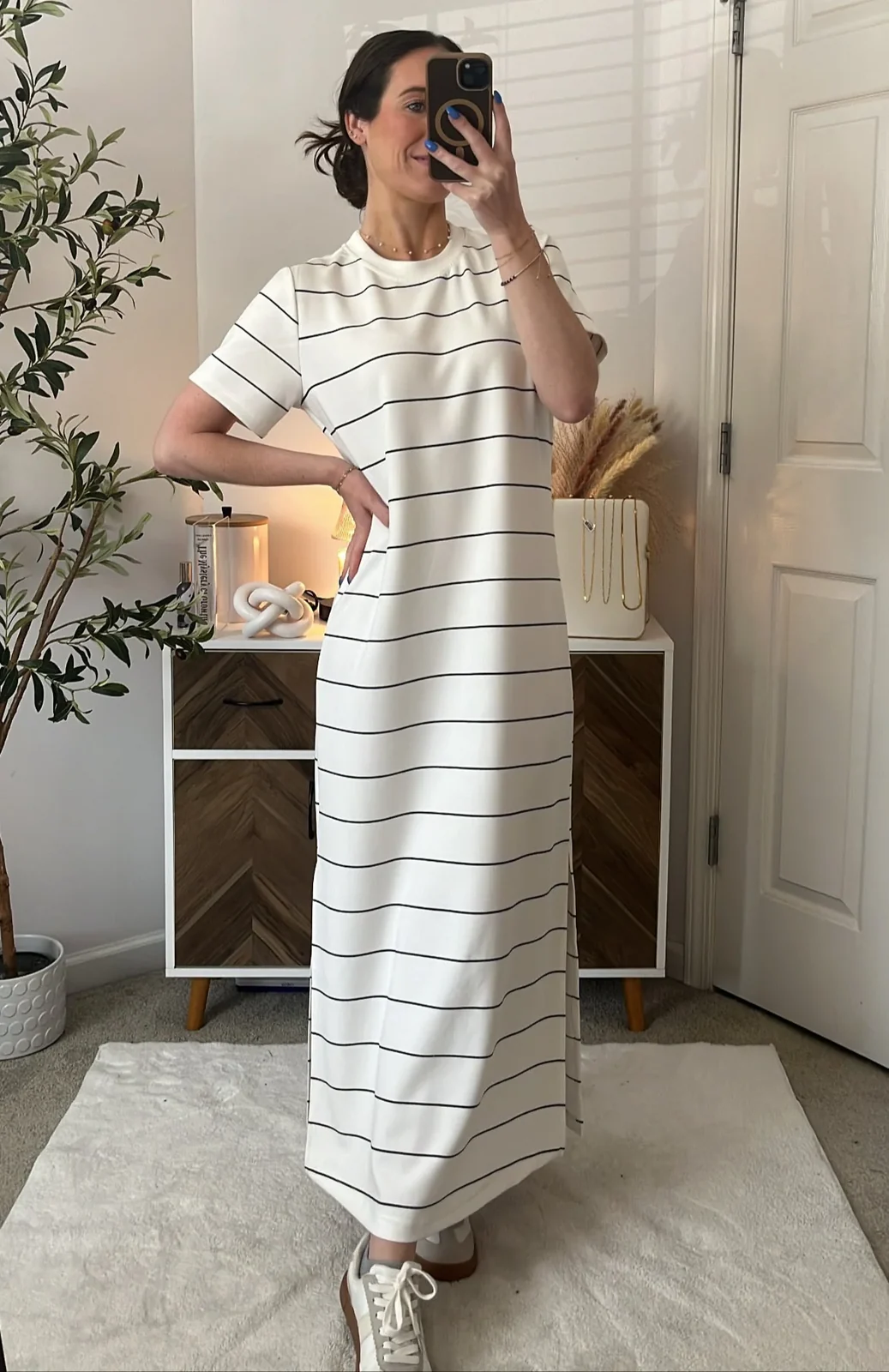
Consider the Roam Free Striped Scuba Dress. Its listed material is 48% modal, 45% polyester, and 7% spandex, and the product description calls the fabric smooth and lightweight. Those details help you understand what the garment is made from, but they do not replace its care label. Check the garment’s own instructions before washing or drying it.
Read the whole label before sorting laundry
Make label-reading part of laundry sorting, rather than waiting until a garment is already in the washer. Set aside anything whose instructions call for a different approach from the rest of the load. This small pause can prevent a rushed choice based on color, fabric feel, or habit.
Pay attention to every part of the care directions. A label may address washing, bleaching, drying, ironing, or professional cleaning. If a symbol is unfamiliar, do not guess. Look up an authoritative explanation of the symbol or ask a qualified cleaning professional, then use the garment’s label as the governing instruction.
Keep the label legible when you can. Avoid cutting it out simply because it feels inconvenient before you have recorded the instructions in a reliable way. If a tag has already been removed or has faded, check the original product information if available; if the directions remain uncertain, get informed help rather than improvising based on fiber content.
Use product details without treating them as care instructions
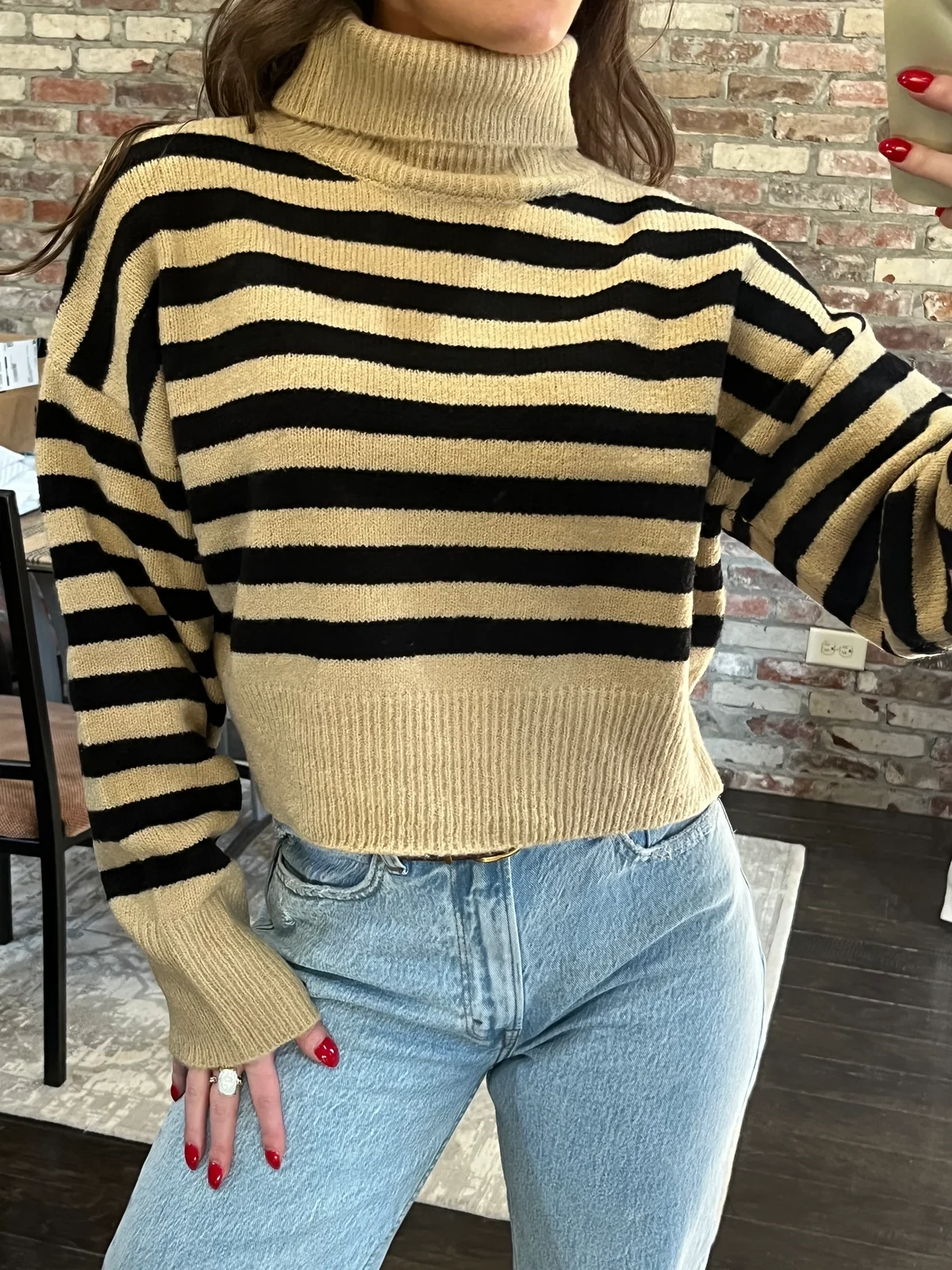
Product descriptions can help you understand a garment’s listed materials, shape, and features. They are useful context when deciding what details to inspect, but they are not a substitute for the care label. For example, the Swiss Alps Sweater is listed as 71% acrylic, 24% nylon, and 5% spandex, with a large stretchy turtleneck and waistband. That information does not tell you which cleaning method to use. Follow the garment’s label.
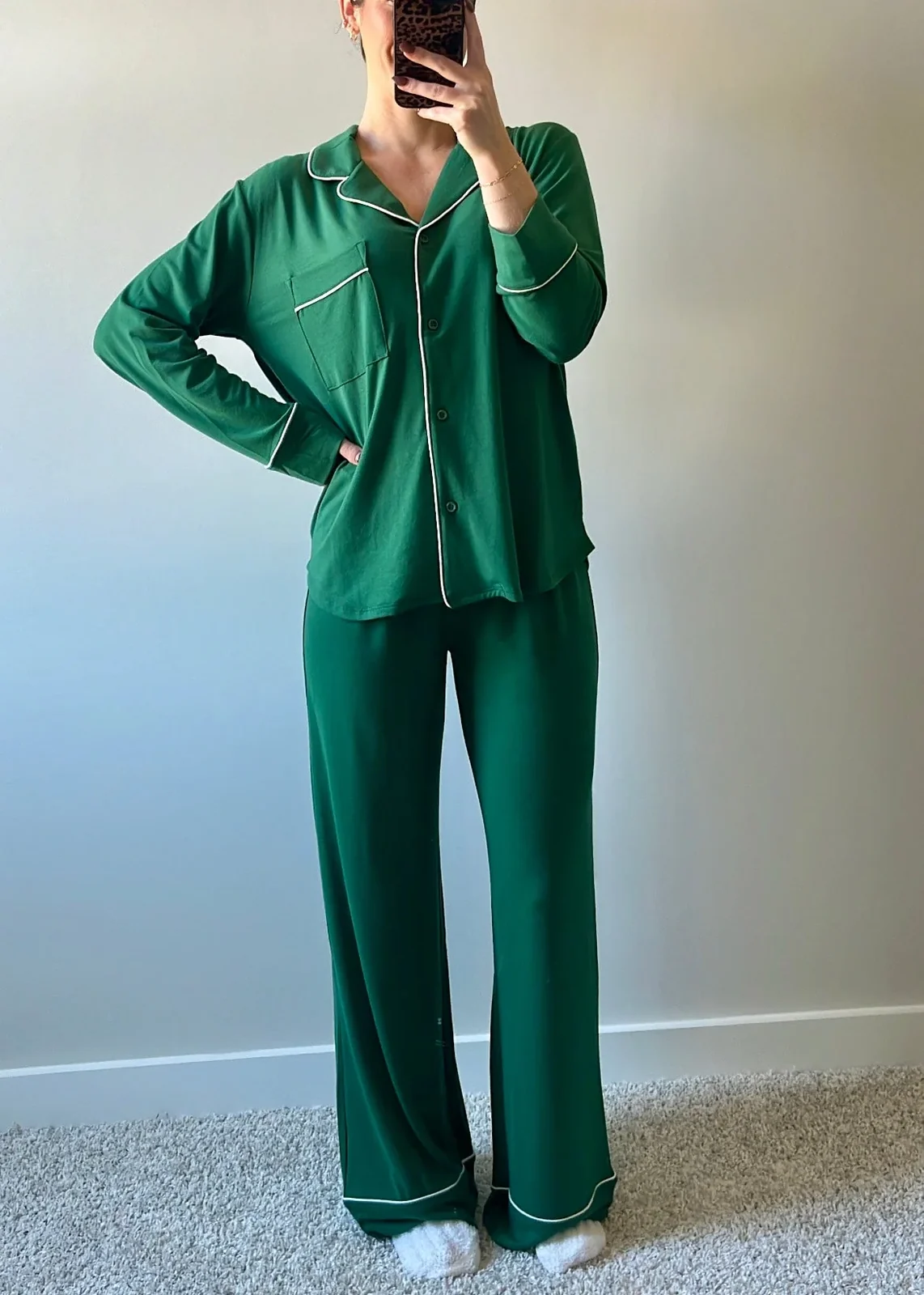
The same principle applies to sleepwear. The Winter Weekends Pajama Set is listed as 57% polyester, 38% rayon, and 5% spandex. Its two-piece construction and elastic waistband are product details, not care directions. Check the care label on the set before cleaning it, and do not infer a method from the listed fibers.
If you are browsing the knitwear collection, remember that the word “knitwear” describes a broad category, not one universal care routine. Read the label on each garment, even when two pieces look or feel similar. Let the specific instructions guide your decision.
Make a calm plan when instructions are unclear
When a label is hard to interpret, avoid turning uncertainty into an experiment. First, make sure you have found the full care information and can read it clearly. If symbols are unfamiliar, consult a trustworthy care-symbol reference. If the garment’s instructions point to professional cleaning, or you are unsure how to carry them out, ask a qualified cleaner before proceeding.
If the label is missing, product details may help identify the garment, but fiber content alone still cannot settle the question. Search for the original care instructions through a reliable product listing when possible. If you cannot confirm them, getting professional advice is more prudent than choosing a wash or drying method by guesswork.
It can also help to keep a simple note of care directions for garments whose tags have been removed or are difficult to read. Record the actual instructions, not a shortcut such as “polyester means machine wash.” That distinction matters: the note should preserve the garment-specific guidance rather than convert one fiber name into a rule.
Care labels belong in your closet routine, too
Label-first care is useful beyond laundry day. When deciding where to store a garment or how to handle it after wearing, check any relevant instructions instead of relying on assumptions about its material. If the label does not address a question, avoid presenting a guess as a rule. Seek reliable guidance for the specific garment when the decision matters.
Before buying or wearing a piece, you can also make a quick label check part of getting acquainted with it. Find the care tag, read the directions, and consider whether you can follow them with the time and resources you have. This is practical information alongside measurements, fiber content, and fit. For help comparing size names, see how to use measurements when size names vary; the same habit of checking the garment’s specific details can make wardrobe decisions clearer.
The rule is straightforward: use the fiber list to understand what is in a garment, and use its care label to decide how to care for it. When the label is missing or confusing, find reliable garment-specific guidance before taking action. That small pause is more useful than a confident guess based on material names alone.