A simple top does not need an elaborate outfit around it. Small choices—where the hem lands, how the neckline frames the face, and whether the fabric feels crisp or relaxed—can give everyday clothes a clearer point of view. Start with the top you want to wear, then build around what it already brings to the outfit. The goal is not to make every look complicated; it is to make each piece feel like it belongs.
Let the neckline set the direction
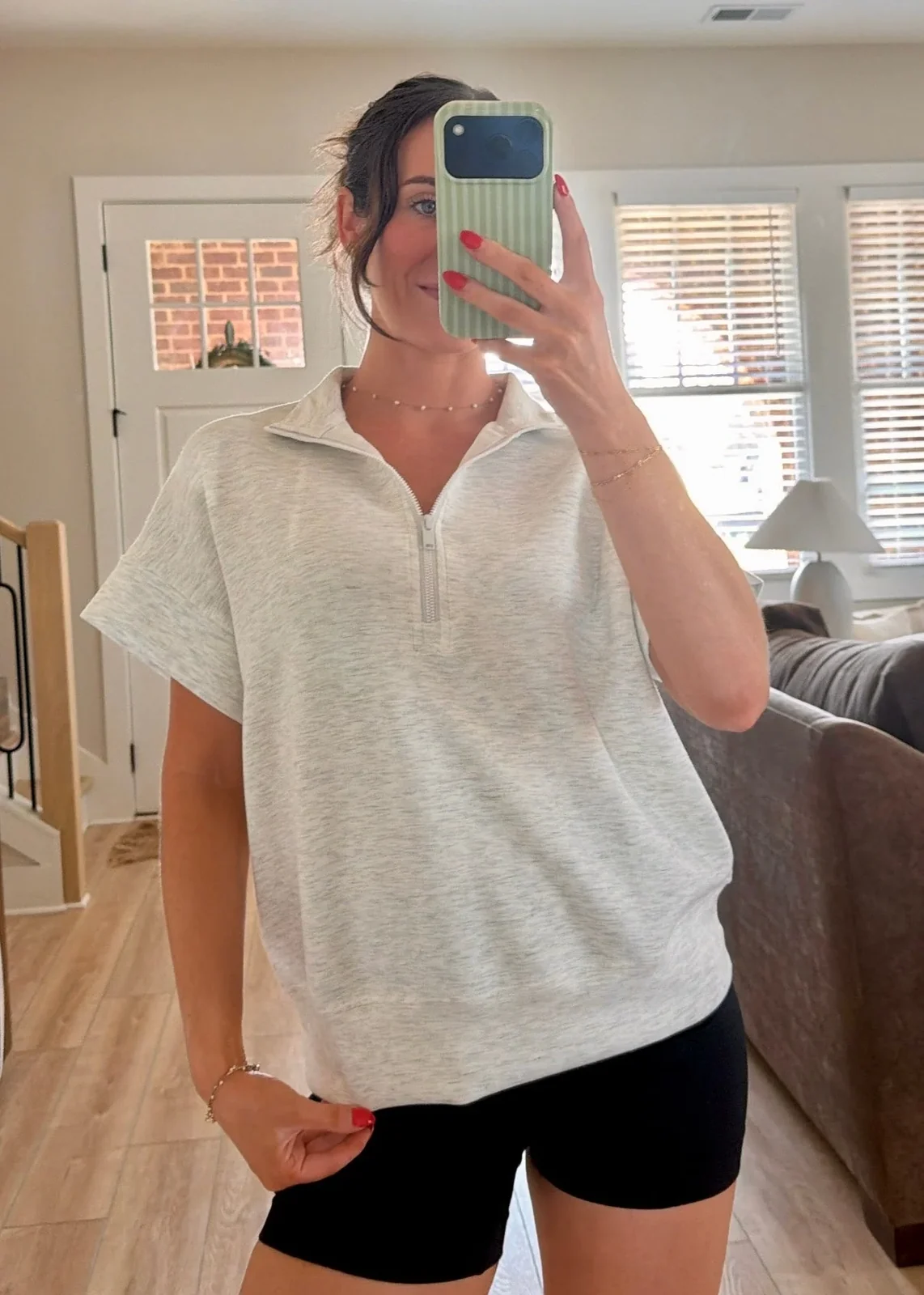
A neckline is one of the first details that shapes how a top reads. A crew neck feels close and straightforward, while a quarter zip gives you the option to change the opening and create a little more visual space. Instead of treating every neckline the same, notice how much of the upper chest and collarbone area the top leaves open. That can help you choose a lower or higher neckline on a second layer, if you are wearing one.
The Roam Free Scuba Short Sleeve Top has a quarter-zip design and short sleeves. You can wear the zip in a position that feels comfortable, then keep the rest of the outfit uncomplicated so the neckline remains a useful detail rather than competing with several others. When comparing tops, check the product description and images for the actual neckline and closure; small differences can change how a familiar outfit feels.
Use the hem to decide what happens below
The hem gives you a practical starting point for choosing bottoms. A top that ends near the waistband can make a clean division between top and bottom; a longer hem may feel more relaxed and provide extra coverage. Neither length is automatically better. Pay attention to where the fabric falls on your own frame, and whether it stays in place when you sit, reach, or move through a normal day.
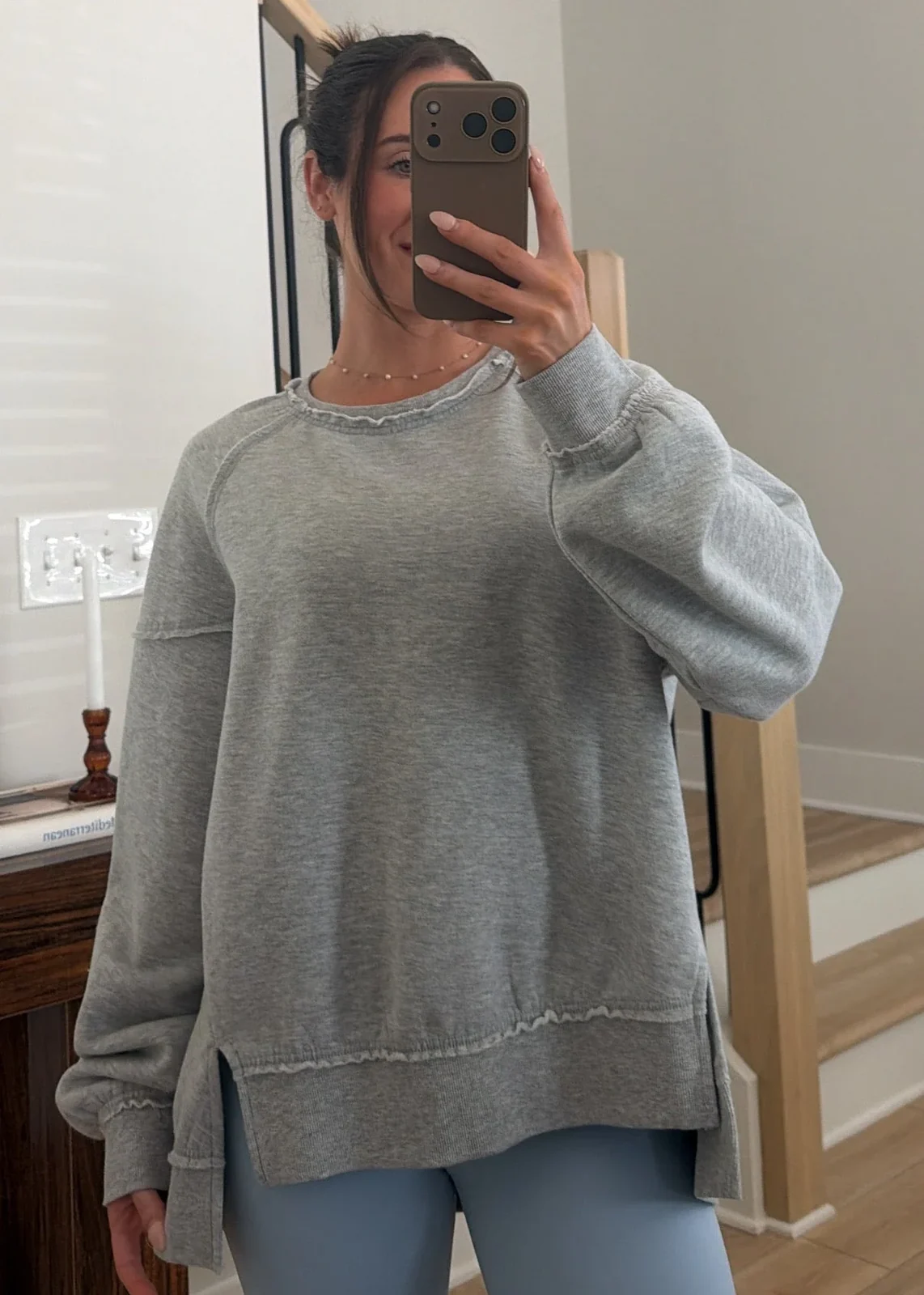
Raw or uneven edges bring a more casual finish than a crisp, straight hem. The Off Duty Oversized Sweatshirt is described as having a raw hem and side slit, along with an easy longer length. Those details can work naturally with uncomplicated bottoms, especially when you want the top to fall freely. For a tucked look, check whether the fabric and length make that comfortable; do not assume every longer or relaxed top is meant to be tucked.
Balance volume instead of matching it everywhere
Proportion is about how shapes relate, not about following a single rule. When a top has dropped shoulders, generous sleeves, or an oversized fit, notice how much room it takes up through the torso. A more streamlined bottom can offer contrast; a relaxed bottom can make a deliberately loose silhouette. Try both in front of a mirror and check that the result feels easy to move in, rather than relying only on how it looks standing still.
The Off Duty Oversized Sweatshirt is described as relaxed and oversized, with dropped shoulders, long sleeves, and an easy longer length. That information suggests trying it with bottoms that do not add unnecessary bulk if you want a clearer outline, but your preferred balance may be looser. If you are considering a fit, read the listing for its fit notes and model sizing, then use the measurements or sizing information provided there rather than guessing from a product name.
Make texture the quiet focal point
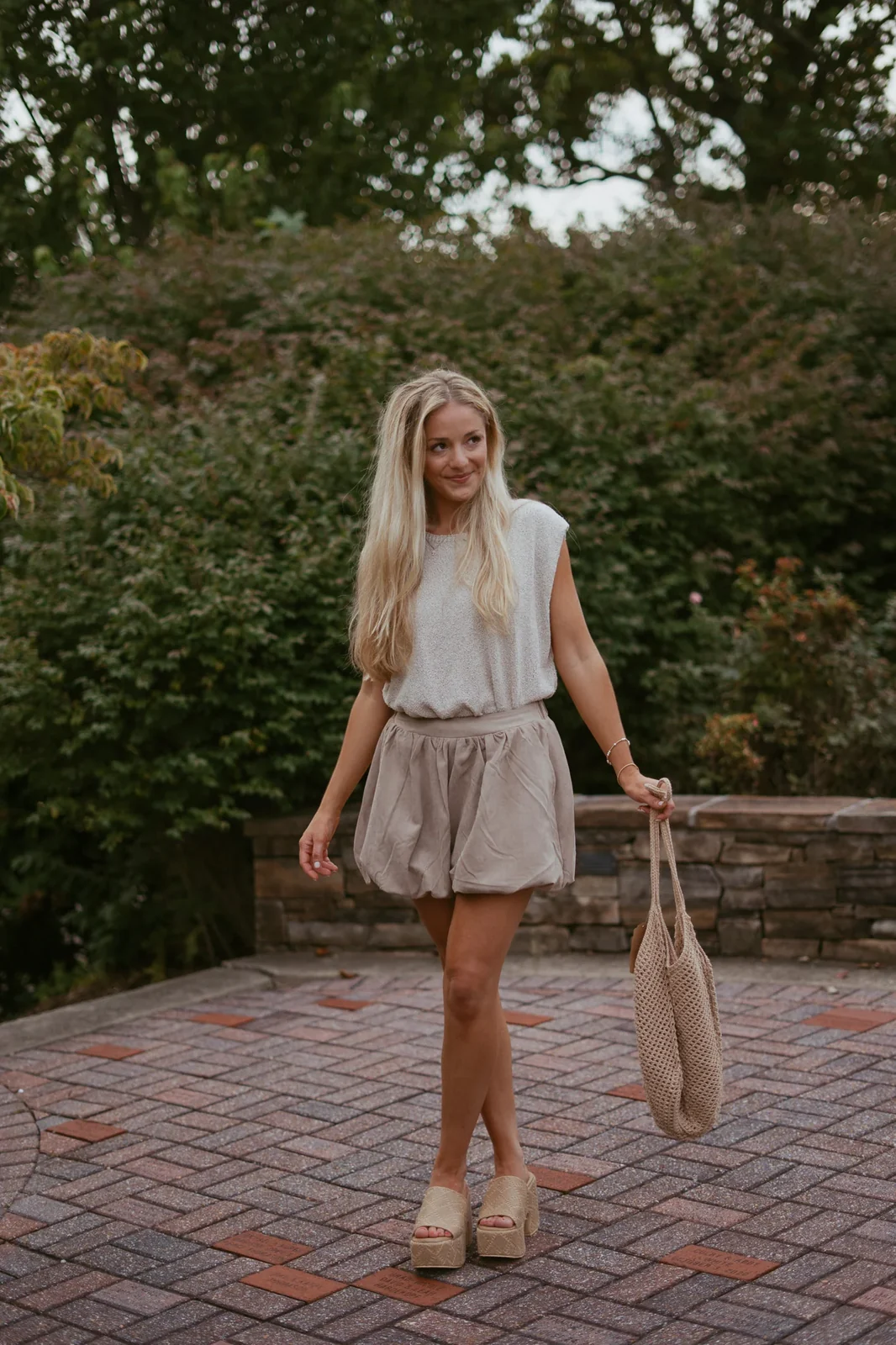
Texture adds interest without requiring a bold color or a complicated print. A smooth knit beside a more open or visibly textured fabric creates contrast; two similar textures can feel calmer and more blended. Keep the number of competing surface details in mind. If the top has a noticeable knit pattern, let that be the detail you see first and choose simpler clothing around it.
The Vineyard Stroll Crotchet Knit Top is described as a lightweight knit with crochet details, and it can be worn on its own or layered. That makes it a useful reference for thinking about texture: the openwork is already doing some visual work. Consider what layer or bottom will let that detail show, and check the product images and description for coverage and construction before deciding how you want to wear it.
Choose color and layers with a clear purpose
When a top is simple, color can make the outfit feel connected. Repeating a shade already present in another garment creates an easy link; using neighboring neutrals keeps the result quiet. You do not need a perfect match. A difference in tone can look intentional when the rest of the outfit is restrained. For more ideas on building combinations from familiar shades, see the tops collection alongside the bottoms you already wear.
Layers can change a top’s outline as much as its warmth. A shorter layer can emphasize the waist area, while a longer open layer creates a vertical line. Check that the underlying neckline and hem still make sense once another garment is added. If both pieces have strong shapes, simplify the color choices; if both are very plain, let one texture or proportion provide a gentle point of interest.
Use a quick outfit check before you head out
Before calling an outfit finished, look at it from the neckline down. Is the top’s shape clear, or is another layer covering the detail you liked? Does the hem meet the bottom in a way that feels comfortable when you sit? Are the fabric textures working together, or is there one too many competing features? These small questions can help you adjust an outfit without starting over or adding more pieces.
For a useful test, try one change at a time: alter the zip opening, let a hem fall instead of tucking it, or swap a textured layer for a smoother one. Then move around and see whether the outfit still feels like you. When shopping, use the listing details to confirm features, fit, and materials, and consult the garment care label for care instructions; the label is the final authority. A thoughtful outfit often comes from noticing what is already working.