A printed dress already brings pattern, color, and visual movement to an outfit. Styling it well is less about adding more and more about deciding what the print needs: perhaps a cleaner silhouette, a quiet color repeated elsewhere, or a layer that gives the look structure. When each choice has a purpose, the dress stays at the center without making the outfit feel unfinished.
Start by noticing the scale and colors of the print, then consider how the garment sits on your frame and what the day calls for. You do not need to follow a strict formula. A few deliberate choices can make a bold pattern feel easy to wear, while a subtle print can still benefit from thoughtful proportions and layering.
Let the print set the visual volume
Before choosing anything to wear with a printed dress, take a moment to read the pattern. Large motifs, strong contrast, or several distinct colors tend to command attention. A smaller, lower-contrast pattern may feel quieter, even when it covers the whole garment. Neither needs to be toned down automatically. The useful question is whether another element would support the print or compete with it.
For a busy pattern, keep the rest of the clothing simple in color and shape. For a more restrained print, you have room to bring in a little more texture or a second color. Think of the dress as the starting point rather than a problem to solve. This approach works across silhouettes, from a flowing maxi to a shorter, more structured shape.
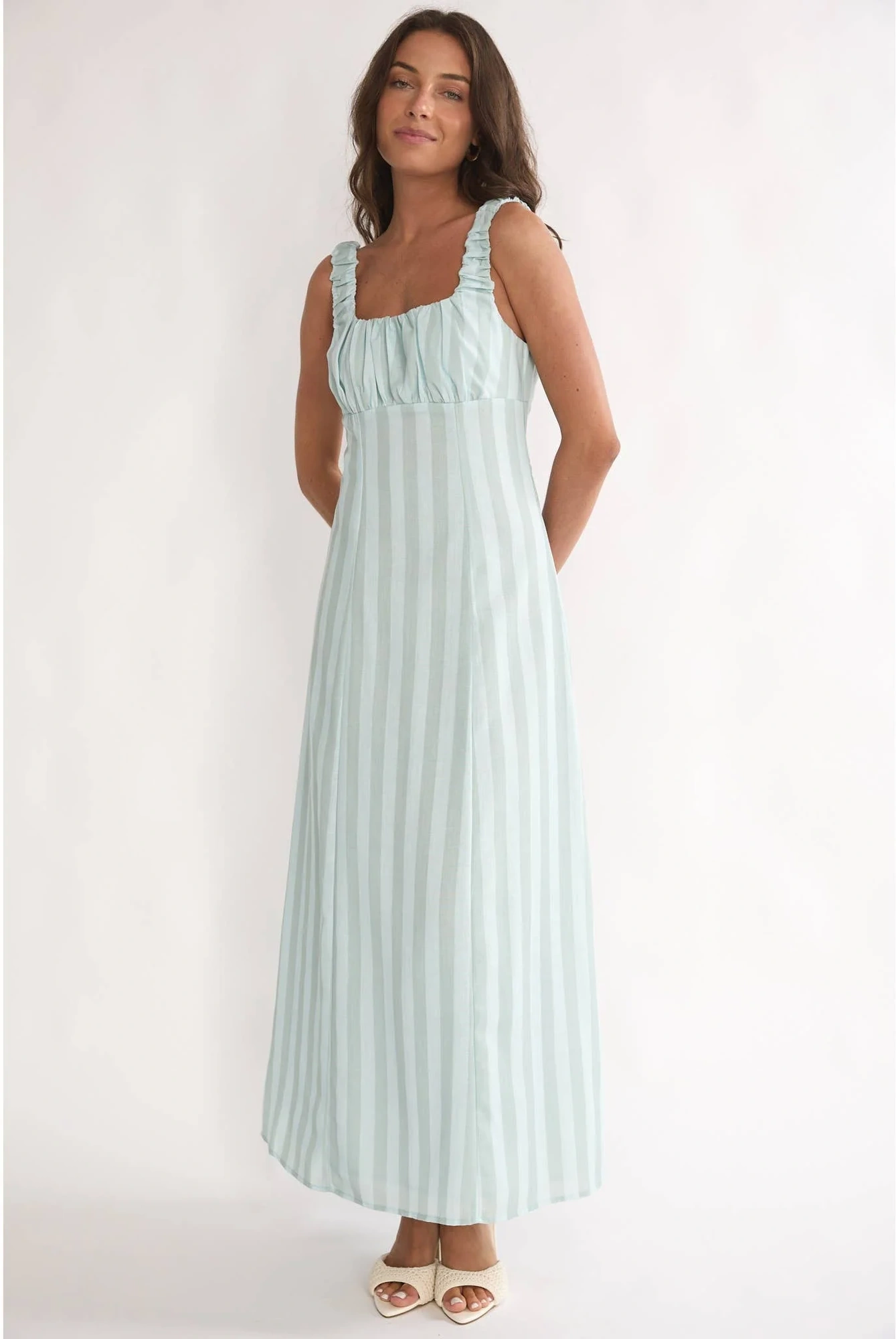
The Ocean Showers Maxi Dress offers one example of a print that already provides clear direction: its vertical stripes create a repeated pattern, while its long, flowing skirt makes the silhouette part of the overall effect. The square neckline and soft gathers across the upper bodice are also details to consider when deciding what to layer over it.
Choose a proportion that feels intentional
Proportion is about how the parts of an outfit relate, not about correcting your body. A long, flowing dress can feel especially relaxed when every layer is equally loose. If you want a little more definition, try a layer with a clearer outline, or choose one that ends at a different point from the dress hem. The contrast can give the outfit shape without making the dress feel constrained.
With a shorter dress, a longer open layer can add movement; a shorter layer can make the waist or upper body feel more defined. These are options, not rules. Look at the full outfit in a mirror and notice where hems, seams, and changes in volume fall. If several elements stop at the same visual point, shifting one layer or changing its opening may create a more balanced line.
Keep the dress’s own construction in view. A square neckline, gathered bodice, or full skirt already creates visual structure. A layer that repeats those features too strongly may make the upper half feel crowded. A simpler shape often gives the dress room to read clearly.
Build a restrained color palette
A printed dress does not require a separate color for every detail. Pick one or two colors already present in the pattern and let those guide the clothing around it. Repeating a color can make the outfit feel connected; choosing a calm neutral can give the print breathing room. You can also use a shade that sits near a color in the print rather than matching it exactly.
When a print contains several colors, avoid trying to echo all of them at once. That can make the outfit feel busier than the dress itself. Instead, decide which color matters most to the mood you want. A darker shade may feel grounded, while a lighter one can keep the look softer. If the print is mostly one color, a contrasting layer can work, provided its pattern and details stay quiet.
For a small wardrobe, this kind of color editing can make individual pieces easier to reuse. The principles in the dresses collection can be applied to any patterned dress: identify the strongest color, then work outward with clothing you already know how to combine. The result need not be perfectly matched to look considered.
Use layers to add structure, not noise
A layer can change the feel of a printed dress, add coverage, or bring a different texture into the outfit. To keep it from competing, pay attention to both its pattern and its shape. A solid layer is often the simplest choice, but a second pattern can work when the scale, spacing, or color contrast differs enough to create separation. If you are unsure, put the pieces together and step back; the overall impression matters more than a rule about mixing prints.
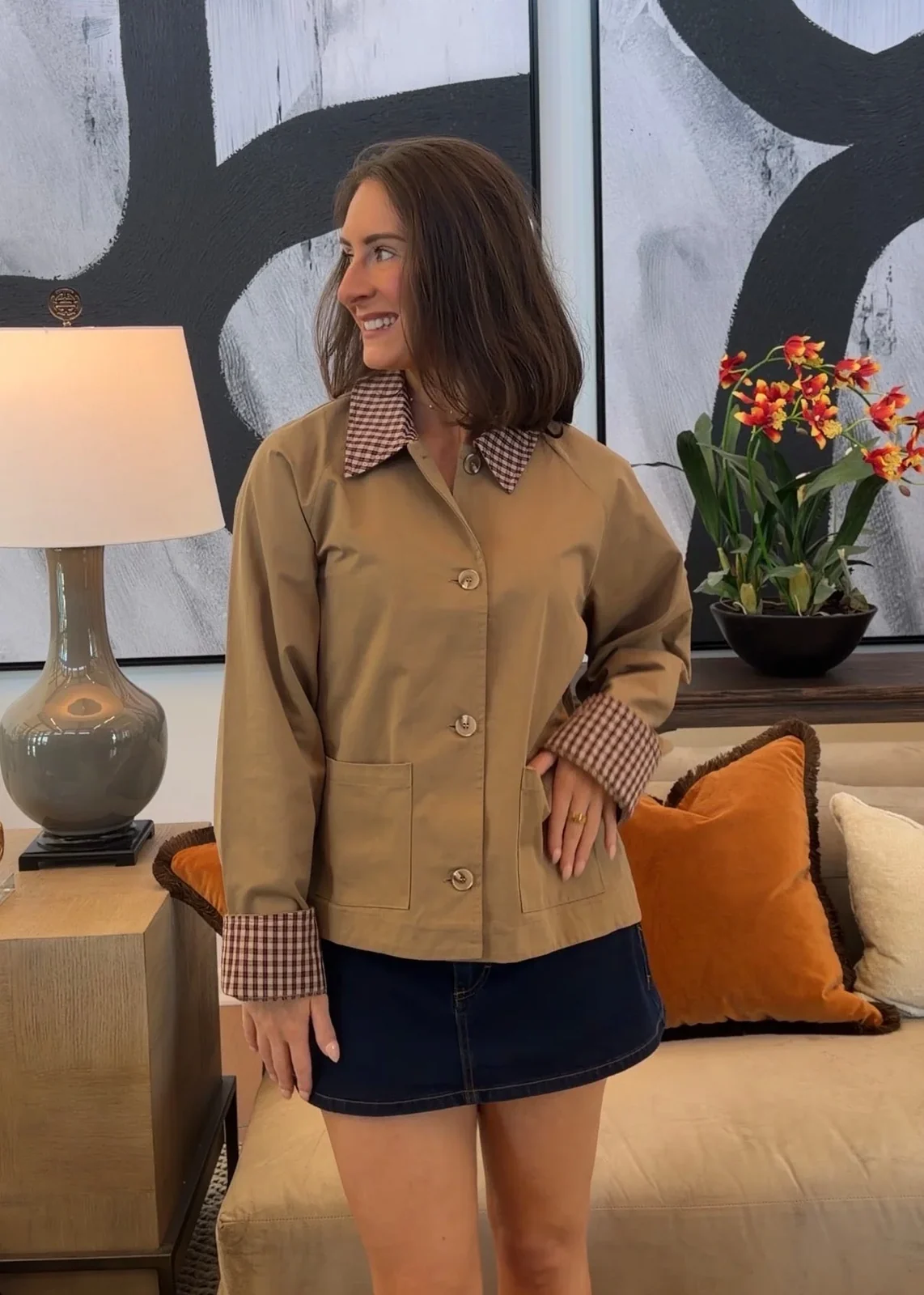
The Jackson Hole Button Down Jacket is described with a plaid pattern, a button-down front, and a lightweight fit. Because it has its own pattern, consider the relationship between its plaid and the dress print before wearing them together. If both patterns feel equally prominent, a quieter layer may be the better choice. If one reads as a subtle background from a distance, the combination may feel more balanced.
Check the product details when choosing a layer, particularly if you need information about its fabric, dimensions, or intended fit. Those details can help you decide whether it will sit comfortably over the dress without adding too much volume. A layer should work with the garment underneath, not just look appealing on its own.
Keep the neckline and upper body clear
The area around a dress’s neckline often carries a lot of visual information. A print may be especially concentrated there, or the neckline itself may have a strong shape. If you add a collared or button-front layer, think about whether it will frame that area or cover it. Wearing a layer open can preserve more of the dress’s design; wearing it closed can create a different, more streamlined effect.
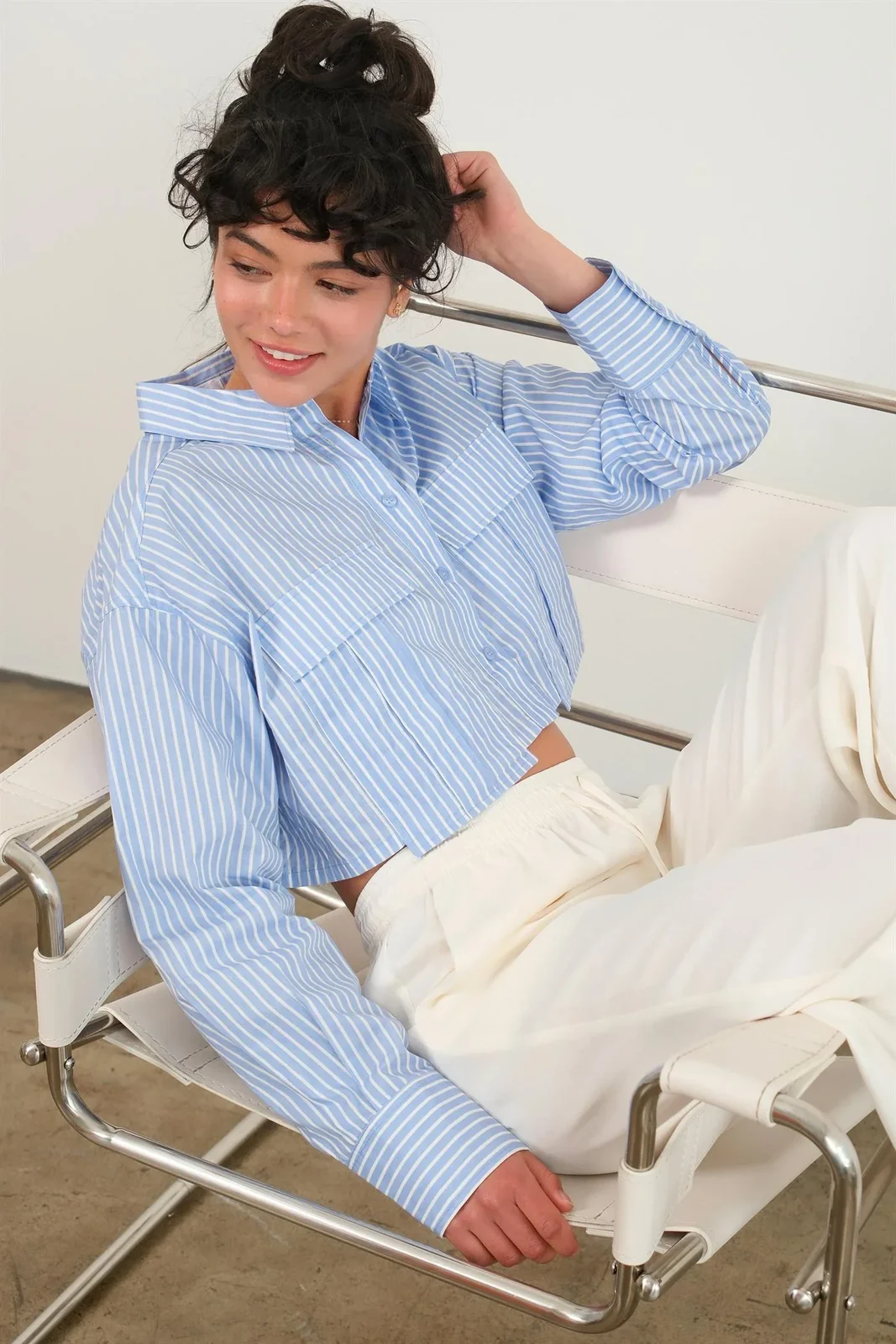
The Coastline Dreams Blouse is described as having a coastline-inspired print, a collar, a button-up front, and chest pockets. Those details make it a patterned top with its own presence, so it may be more useful as a separate clothing option than as a layer over another bold print. If you are considering pairing it with a printed dress, compare the two patterns and the neckline shapes first. A quieter dress or a solid layer may be a more straightforward combination.
When browsing the tops collection for layering ideas, read each item’s description rather than assuming every top will work the same way over a dress. Collar shape, front opening, and fit all affect how much of the dress remains visible.
Try one change at a time
When an outfit feels off, changing several pieces at once makes it hard to see what helped. Begin with the dress, then add one layer. If the combination feels crowded, remove the layer and try a simpler color or a different length. If it feels too plain, add one element with texture or a considered color rather than introducing another strong print immediately.
It can help to check the outfit from a few steps away. Up close, small details may draw attention; at a distance, you can see whether the print still leads and whether the silhouette has a clear shape. Notice where the eye goes first. Ideally, the dress remains the focal point, while the supporting pieces look connected rather than identical.
Also consider where and when you will wear the outfit. A light layer may suit a day when temperatures shift, while a more defined outer layer can make a flowing dress feel less casual. Practicality belongs in the styling decision: a combination that looks balanced but feels awkward to move in is not the most useful choice.
A simple final check
Before you leave, ask three questions: Is the print still easy to see? Does the outfit have a clear sense of proportion? Are the colors working together without every piece trying to match? If the answer is yes, there is probably no need to add anything else.
Printed dresses can be expressive without requiring a complicated outfit around them. Let the pattern establish the mood, use shape to create balance, and add layers only when they serve a purpose. That leaves room for personal preference while keeping the overall look calm, wearable, and intentional.