
When you are choosing clothes for a trip, start with the details a product actually provides: fiber content, care information, fit, and practical features. Those facts can help you decide whether a garment suits your itinerary and the way you like to pack. A fabric name alone cannot tell you everything about comfort, drying time, or how a piece will behave after a long day, so avoid filling in gaps with assumptions. Instead, use the listing as a checklist, then consider your plans, available laundry, and personal preferences. A little comparison before packing can make it easier to bring clothes you know how to wear and care for.
Read the fiber information, not just the fabric impression
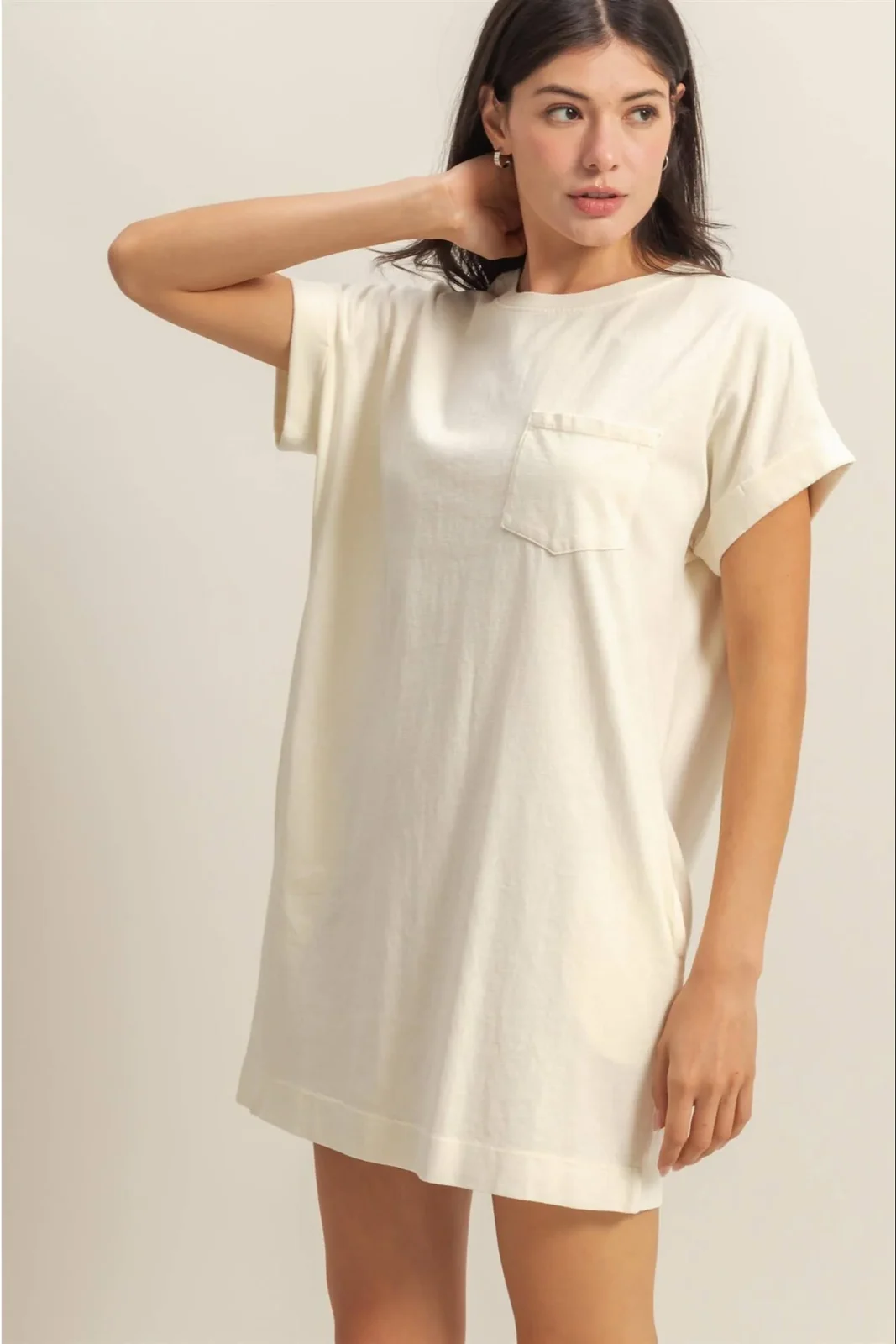
Words such as soft, lightweight, or breathable can suggest how a garment may feel, but they are not a substitute for its stated fiber content. For example, the Serene Sleep Pajama Set is listed as 100% polyester, while the Unwind In Style T-Shirt Dress is listed as 100% cotton. Those facts give you a useful point of comparison; they do not establish how either piece will feel to you or perform in every travel situation. If you have preferences about texture or fiber, check the listing rather than relying on a photo or a broad description. For other pieces, look for the same information in the product details. When fiber content is not supplied, treat it as an unanswered question, not a reason to guess.
Let care information shape your packing plan
Care needs can matter as much as fiber when you are deciding what to bring. Before packing, look for the garment’s care instructions and consider whether they fit your trip: Will you have access to laundry, time to wash something, or a way to follow the instructions? A listing that names a fiber does not, on its own, tell you whether a garment can be machine washed, tumble dried, or ironed. The garment care label is the final authority, so check it before washing or treating anything. If care details are not available before purchase, avoid assuming that a familiar fiber means familiar care. You might choose a different piece if you need simple, predictable washing while away, or plan to wear the item where you can follow its label. Make the decision around the actual instructions, not a shortcut.
Match fabric facts to the trip you are taking
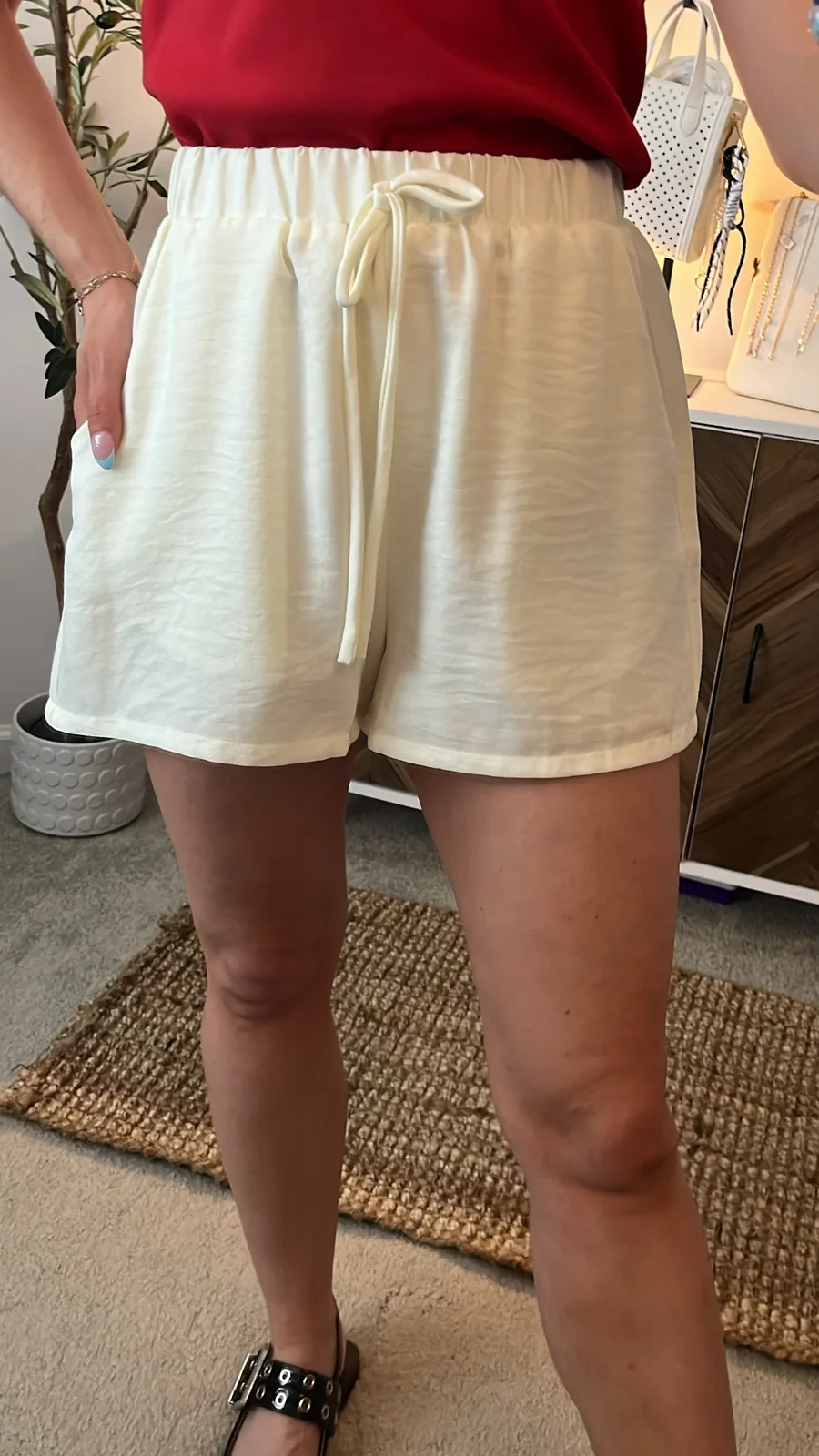
There is no single fabric choice that suits every itinerary. A weekend with mostly indoor plans may call for different clothing than a warm-weather trip with long stretches outdoors. Start with the forecast and your schedule, then compare those needs with the product details you can verify. The White Sands Shorts are listed as 100% polyester, with an elastic waistband, drawstring tie, side pockets, and stretchy, soft material. Those stated features may be relevant if you want shorts with pockets and an adjustable tie; they do not predict how warm or cool you will feel in them. See the White Sands Shorts details and consider whether the listed features fit your plans. For more options to compare, browse the bottoms collection and check each item’s own description.
Use fit and features as practical evidence
Fiber is only one part of a travel decision. Fit notes and construction details can help you picture how a garment might work with your itinerary, provided you read them as specifics rather than universal promises. The Serene Sleep Pajama Set is described as fitting slightly oversized, and its top is a button style while the pants have side pockets. If you prefer a closer fit, use the sizing information provided and consider whether you want roomier sleepwear. The Unwind In Style T-Shirt Dress is described as a T-shirt-style dress with side pockets; its listed material is cotton. A product page can help you compare these features, but a model’s size does not tell you exactly how a garment will fit your body. Check the size information and choose according to your own comfort preferences. For additional dress options, visit the dresses collection.
Build a small, useful travel wardrobe
Once you have checked the details, choose pieces based on what you will actually do and how often you expect to wear each one. A simple approach is to list your planned activities, identify the kinds of clothing you need, and then compare candidate garments by fiber, care, fit, and features. Avoid packing a piece solely because its description sounds versatile; think through when you would wear it and whether its care instructions work for the trip. The sets and loungewear collection offers a place to review coordinated options, including the Serene Sleep Pajama Set. Check the details of each item individually, since a shared collection does not mean garments share the same fiber or care needs. Leave room for personal comfort, too: verified details can narrow your choices, but your own preferences should guide the final selection.
Make a quick pre-packing check
Before you close your suitcase, revisit the information that influenced each choice. Confirm fiber content in the listing, check the garment care label for the final word on washing, and make sure the fit notes and features suit your plans. If a detail you need is missing, ask the retailer or choose a piece whose information is clearer rather than making an assumption. You can also separate questions of preference from facts: a stated fiber is a fact, while whether you enjoy its feel is personal; a listed pocket is a feature, while whether you will use it depends on your day. This distinction keeps packing decisions grounded and helps prevent surprises. The aim is not to find one perfect fabric, but to bring clothes that make sense for your itinerary, care options, and comfort.
Before packing, picture the outfit at the moments between plans as well as the main event. A layer that works for the walk, the wait, and the temperature change will usually earn its space more readily than another one-time option.