Clothing sizes are useful labels, but they are not a universal measuring system. The same size name can fit differently across brands, garment shapes, and fabrics. When you shop, treat the label as a starting point—not a promise of how a piece will fit. Your measurements, the product specifications, and the fit notes together give you a more practical basis for choosing.
This approach is especially helpful when shopping online, where you cannot try a garment on before deciding. It can also make comparing two different styles easier: a relaxed pair of pants and a structured dress may use the same size label but feel very different on your body. Here is how to read the details without turning the process into a guessing game.
Start with the measurements that matter to you
Before looking at a size name, take a few current body measurements with a flexible tape measure. For many garments, the most useful measurements are bust, waist, and hip. Depending on the style, you may also want shoulder width, torso length, or inseam. Stand naturally and keep the tape level without pulling it tight. If possible, ask someone to help with areas that are hard to measure evenly.
Write down the numbers and the date. Bodies change, and measurements taken over clothing can differ from those taken over a thin layer. For a closer comparison, measure in light clothing or against your usual base layer. There is no need to measure every possible point before every purchase. Focus on the areas that determine how you want that particular garment to sit.
Check what the product measurements describe
A key question is whether a listing gives body measurements or measurements of the garment itself. Body measurements describe the person a size may be intended to fit. Garment measurements describe the item laid flat or measured around. Those numbers are not interchangeable: a garment often needs some ease beyond body measurements to allow movement and create its intended shape.
Read the measurement labels and any notes about how the item was measured. If the listing does not provide a number you need, do not assume it from the size name. Look at the product details or ask the shop whether additional specifications are available. A clear answer about the actual garment is more useful than a confident guess based on a label.
Use fit language as a clue, not a measurement
Words such as “relaxed,” “structured,” “true to size,” and “oversized” describe intended fit, but they do not tell you an exact circumference or length. Use them to interpret the product’s shape alongside its specifications. A relaxed fit may leave more room through the body, while a structured fit may hold a more defined outline. Neither phrase tells you exactly where a hem will fall or how a waistband will feel.
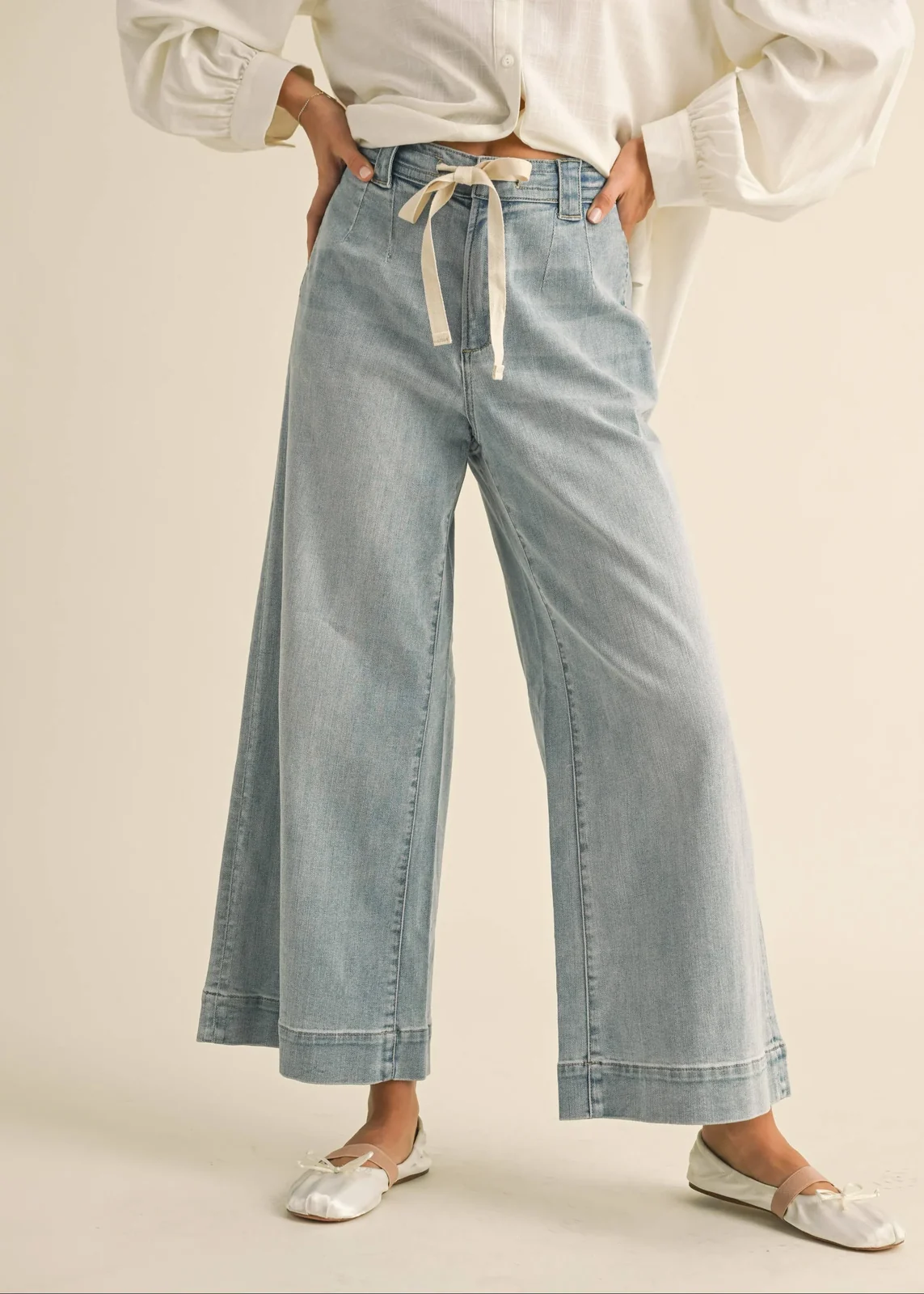
For example, the Sunday in Capri Pants are described as high-rise, relaxed, and wide-leg, with a tie waistband and stretch denim. The product notes say they fit true to size or slightly oversized. That combination suggests looking closely at both the intended relaxed shape and the waist adjustment, rather than assuming the size name alone determines the result. The notes also say the model is wearing a small; that is useful context, not a substitute for your own measurements.
Think about how the garment needs to fit
Different parts of a garment have different jobs. A close-fitting bodice may make bust and shoulder measurements important. A skirt or pair of pants may depend more on waist and hip fit. For a dress, consider whether you prefer room through the torso and how you want the length to fall. Think about movement too: will you sit, reach, or walk comfortably in the shape you are considering?
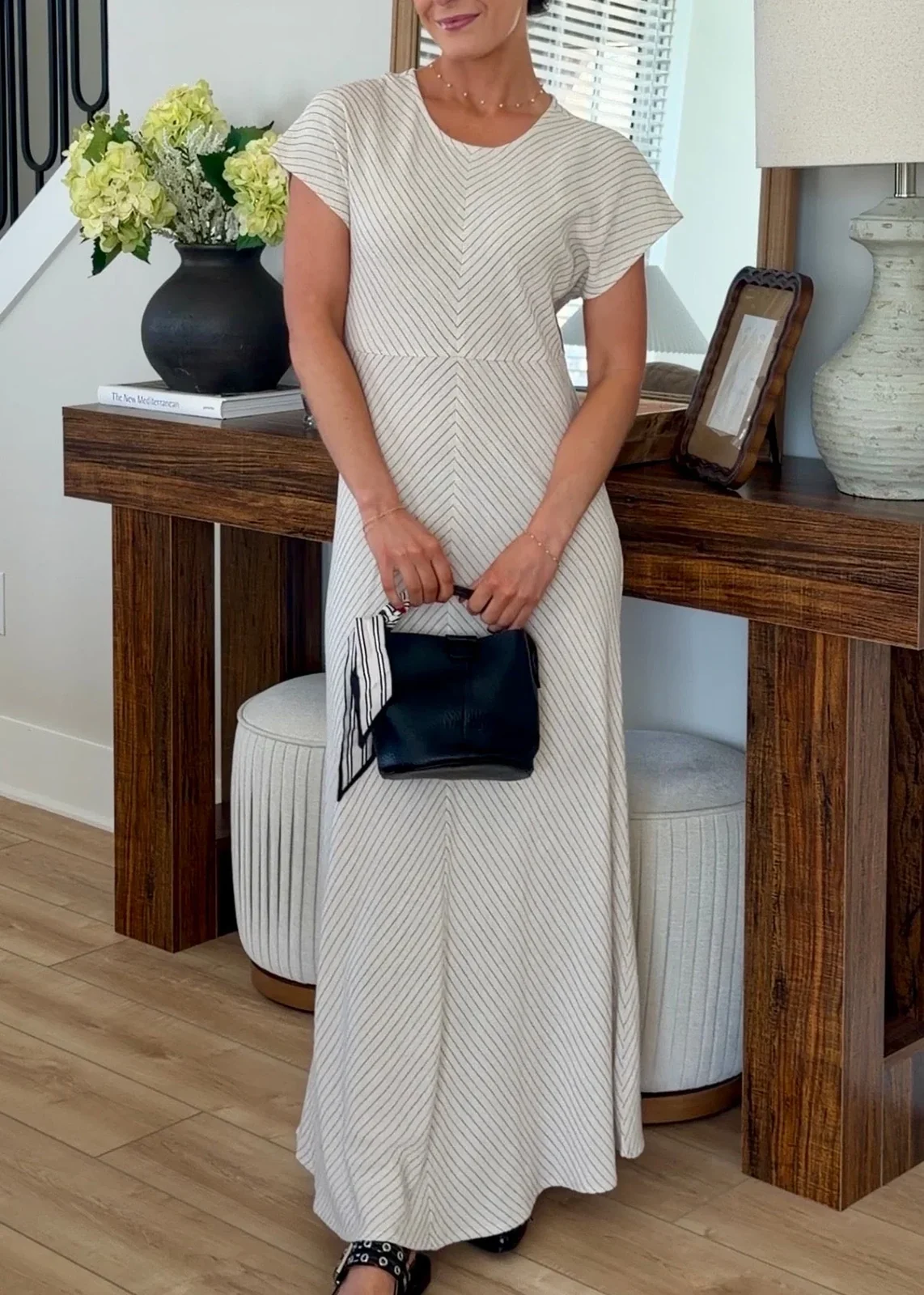
For the Riviera Midi Dress, the listing describes a structured yet easy fit and a midi length. It identifies the fabric as 70% viscose and 30% linen, and notes that Brooke is wearing a size S. Use those details to frame your questions: which measurements matter most for the fit, and what does midi length mean for your height? The listing does not provide a full size chart in the supplied details, so avoid treating the model’s size as a sizing rule for everyone.
Account for fabric and design details
Fabric can affect how a garment moves and feels, but a fiber list alone cannot tell you how a particular item will fit. Stretch denim, for instance, is named in the Sunday in Capri Pants description, while the Soleil Zipper Top is listed as 60% cotton and 40% polyamide. Those facts are useful, but they do not replace measurements or a clear fit description. Fabric construction and garment design also matter, so avoid predicting exact comfort or stretch from fiber percentages alone.
Look for design details that could change the fit or adjustability. The Soleil Zipper Top is described as having shirred detail, a drawstring, and a front zipper, and its listing says it fits true to size. Those features are worth considering when you compare the top with your measurements, but the description does not give garment dimensions. If you need a particular measurement, check the product details or contact the shop rather than estimating from the design features.
Compare with a garment you already wear
A well-fitting item in your closet can be a useful reference. Choose a garment with a similar shape and purpose, then measure it in the same way the product listing describes. For example, comparing one relaxed pair of pants with another relaxed pair is more informative than comparing pants with a fitted skirt. Note whether the reference garment feels snug, roomy, or just right so you do not mistake a preferred fit for a neutral standard.
Be precise about where you place the tape. A waistband measured flat is not the same as a waist measurement around your body; a flat width may need to be doubled to estimate the full circumference. Measurements can also differ depending on whether a garment is buttoned, zipped, or stretched out. If the listing does not explain its method, treat your comparison as approximate and avoid drawing a firm conclusion from a small difference.
Make a decision when measurements fall between sizes
If your measurements sit between size options, first identify the area that is hardest to adjust. A tie waistband may offer some flexibility at the waist, while the fit through the hips or shoulders may depend more directly on the garment’s cut. Then check the product’s fit notes and consider how much ease you want. Do not automatically choose the larger or smaller size without thinking about the silhouette and the part of the garment that needs to fit comfortably.
It can help to write down one specific question before you shop: “Will this fit comfortably through my hips?” is more useful than “What size am I?” Browse the relevant bottoms collection with that question in mind, then compare each listing’s available measurements and notes. The answer may differ from one style to another, and that is normal.
Keep the garment’s care label in view
Fit decisions do not end at checkout. A garment’s care instructions can affect how you maintain it over time, so check the care information provided for the specific item. Do not infer washing or drying instructions from a fiber name alone. The garment care label is the final authority; follow it whenever care guidance differs from general expectations about a material.
In the end, measurements work best as a comparison tool, not a test you have to pass. Start with the areas that matter for the garment, read the product notes for shape and intended fit, and use a familiar piece as a reference when the numbers allow it. Size names can vary, but a careful comparison gives you clearer questions and a more grounded choice.