Lace, satin, and other smooth fabrics can make an outfit feel more dressed up before you add anything else. That does not mean they belong only at parties or special events. The key is to give a refined texture a more relaxed setting through proportion, color, and the feel of the other clothing around it. A lace top with simple cotton separates reads differently from lace worn head to toe; satin under an easy layer can feel less formal than a sharply tailored look.
Start with what you want to wear for the day, then decide how much visual polish feels right. There is no requirement to make every texture contrast dramatic. One considered detail may be enough. And when you are caring for a garment, check its label rather than guessing from its appearance or fiber content: the care instructions are the final authority.
Let one refined texture lead
When you are new to wearing dressier fabrics casually, choose one focal point. That might be a lace top, a satin skirt, or a smooth blouse with a subtle sheen. Keep the rest of the outfit visually quiet so the texture has room to register without making the whole combination feel occasion-specific. Familiar shapes and uncomplicated colors can help ground a more noticeable surface.
This is not a rule that says the other pieces must be plain or dull. It is a way to make the outfit easier to read. If your lace has a clear pattern, for example, a simple silhouette nearby gives the eye a pause. If the smooth fabric is the main feature, a more relaxed cut elsewhere can offset its polish. Think of balance as a matter of emphasis, not a strict formula.
Use contrast in weight and finish
Texture mixing works when the pieces feel distinct but still belong in the same outfit. A soft-looking fabric beside a crisp one creates contrast; a matte surface next to a subtle sheen does something similar. You can also pair a delicate-looking texture with a sturdy, familiar garment shape. The goal is not to label one piece “fancy” and another “casual,” but to avoid having every element pull toward the same level of formality.
Pay attention to how the fabrics behave together as you get dressed. If one piece has a lot of visual detail, let another offer a calmer surface. If two textures are both prominent, simplify the color palette or silhouette. These small adjustments tend to be more useful than following a fixed list of combinations, because lace patterns, satin finishes, and fabric weights can vary from garment to garment.
Make the silhouette feel lived-in
Shape is one of the easiest ways to temper a dressier fabric. Relaxed proportions can make a polished surface feel more suitable for ordinary plans, while a closer fit or a sharply defined outline can make even a simple texture feel more formal. Consider where hems fall, how much volume the outfit has, and whether the pieces allow you to move comfortably through the day.
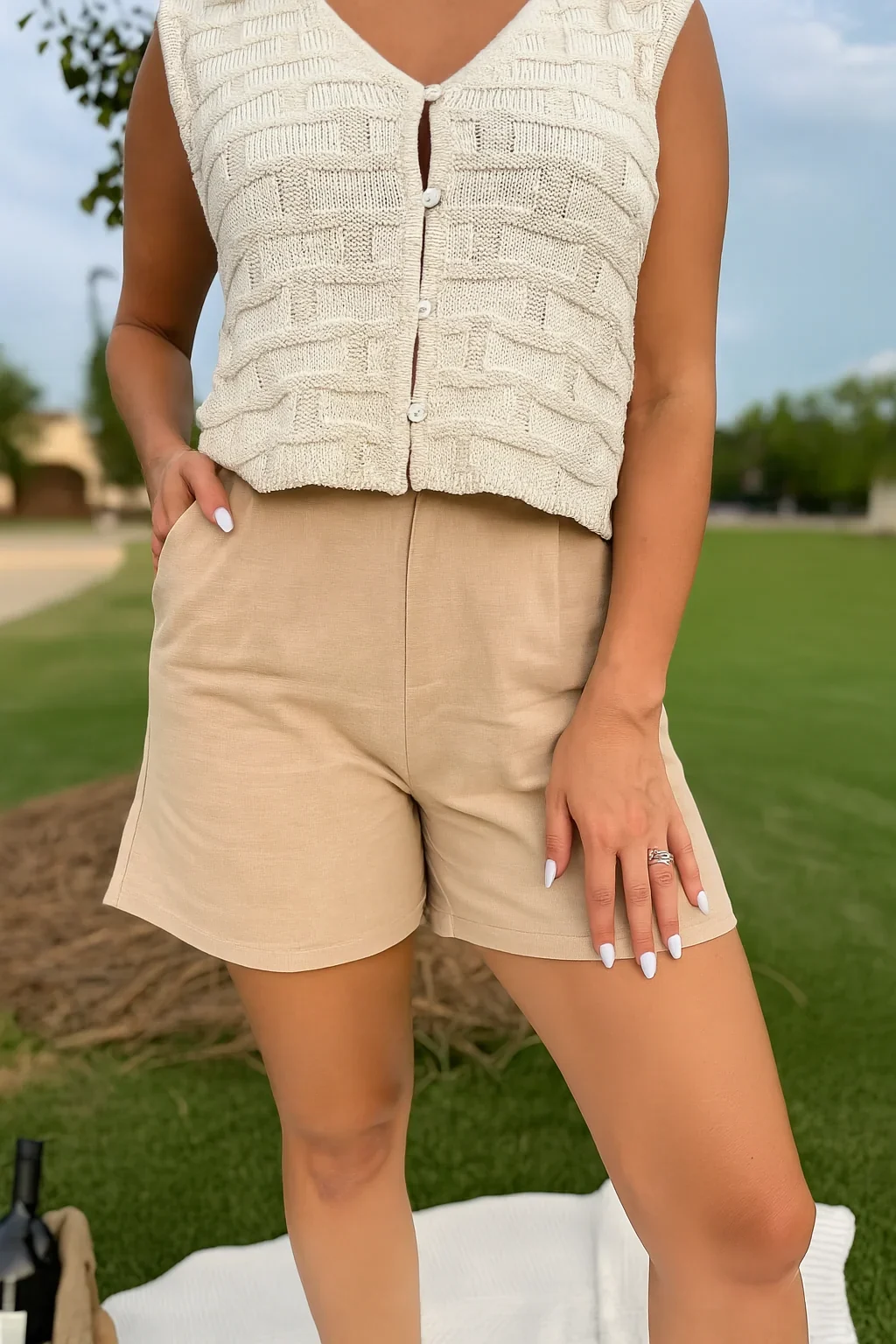
For a casual combination, try pairing a refined top with an uncomplicated lower half, or wear a more polished bottom with a familiar knit or shirt. If you are assessing a garment online, check the listed measurements and fit notes instead of relying on a size name alone. You can also read more about the Vineyard Escape Pleated Linen Shorts, which have front pleated detail, side pockets, back pocket detail, and a thigh-length cut. Their listed material is 55% linen and 45% cotton. Check the product details for the fit information before deciding how they might work in your wardrobe.
Keep the color story uncomplicated
Color can help a mix of textures feel intentional. Staying within a narrow palette gives the surfaces a chance to provide interest without competing with several unrelated color statements. Neutrals are one option, but a restrained combination of colors can work just as well. The useful question is whether the pieces feel connected when you see the whole outfit, not whether they match exactly.
When a fabric already catches the light or has a visible pattern, try keeping nearby colors steady. If the texture is subtle, color can take a more active role. You might also repeat a color in different finishes to tie the outfit together without repeating the same fabric. There is no need to create a perfect match; a little difference in tone can keep the result from feeling overly coordinated.
Use layers to soften a dressier piece
A layer changes how a garment reads. A simple top worn over or beneath a refined piece can make the outfit feel more grounded, while a relaxed shirt or light knit can break up a smooth surface. Think about what the layer does to the outline as well as the texture: an open layer creates a vertical line, while a shorter one may emphasize the waist. Choose based on the proportions you want rather than assuming one shape works for everyone.
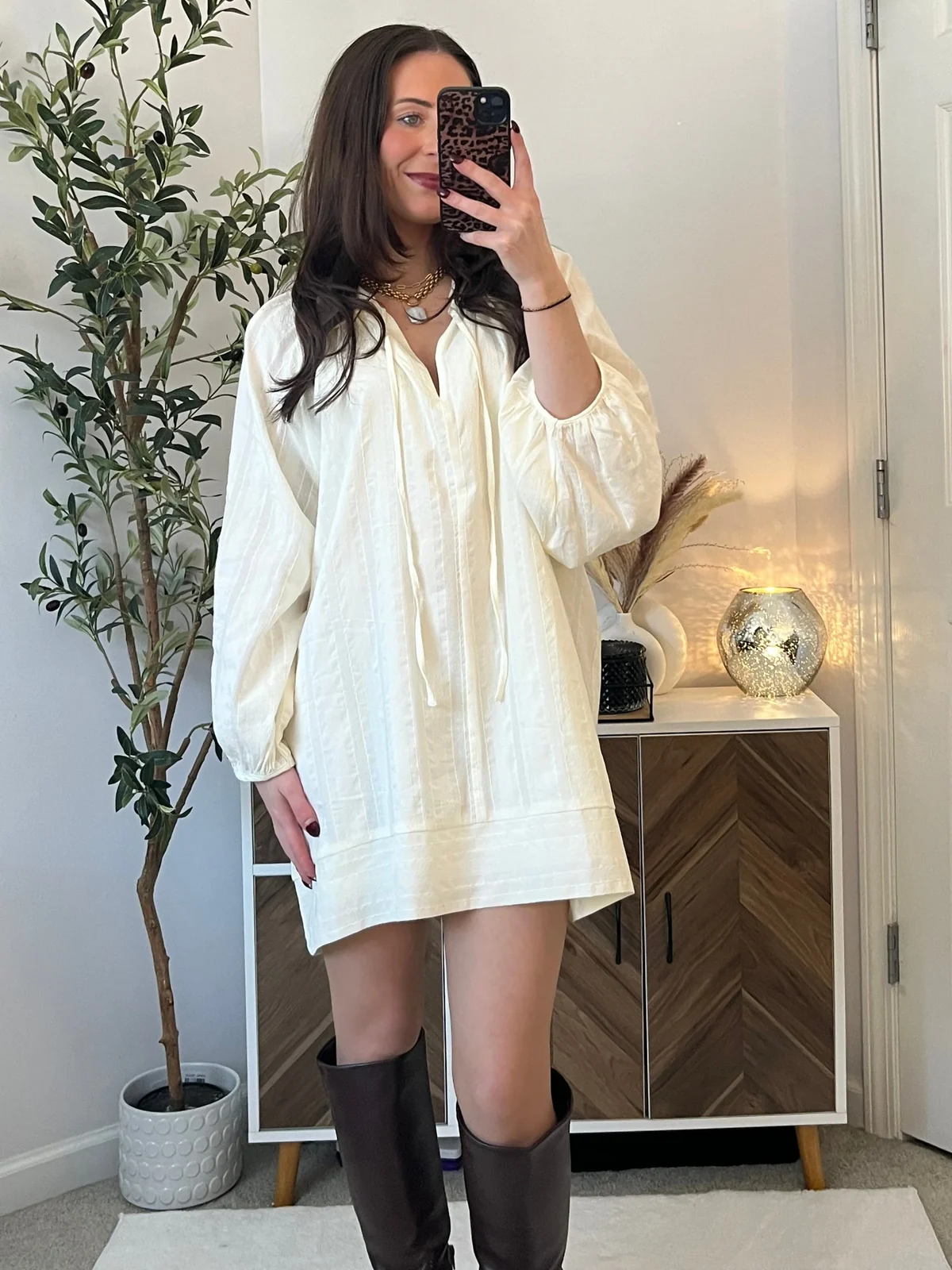
For a one-piece option, inspect the details that influence its overall formality, including sleeve shape, neckline, length, and fabric information. The Alaskan Air Balloon Sleeve Dress is described with balloon sleeves and a tie neck collar; its listed material is 70% cotton and 30% rayon, and the product notes say it runs slightly short. Those specifics can help you decide whether its shape suits your plans. For more options, browse the dresses collection and review each garment’s own fit and material details.
Build a casual outfit around comfort
Casual does not have to mean shapeless, and polished does not have to mean uncomfortable. Start with the conditions of your day: how much movement you expect, how warm or cool you may feel, and whether you want a close or easy fit. Then choose textures and proportions that support those needs. This practical check can prevent an outfit from looking appealing in theory but feeling wrong once you are wearing it.
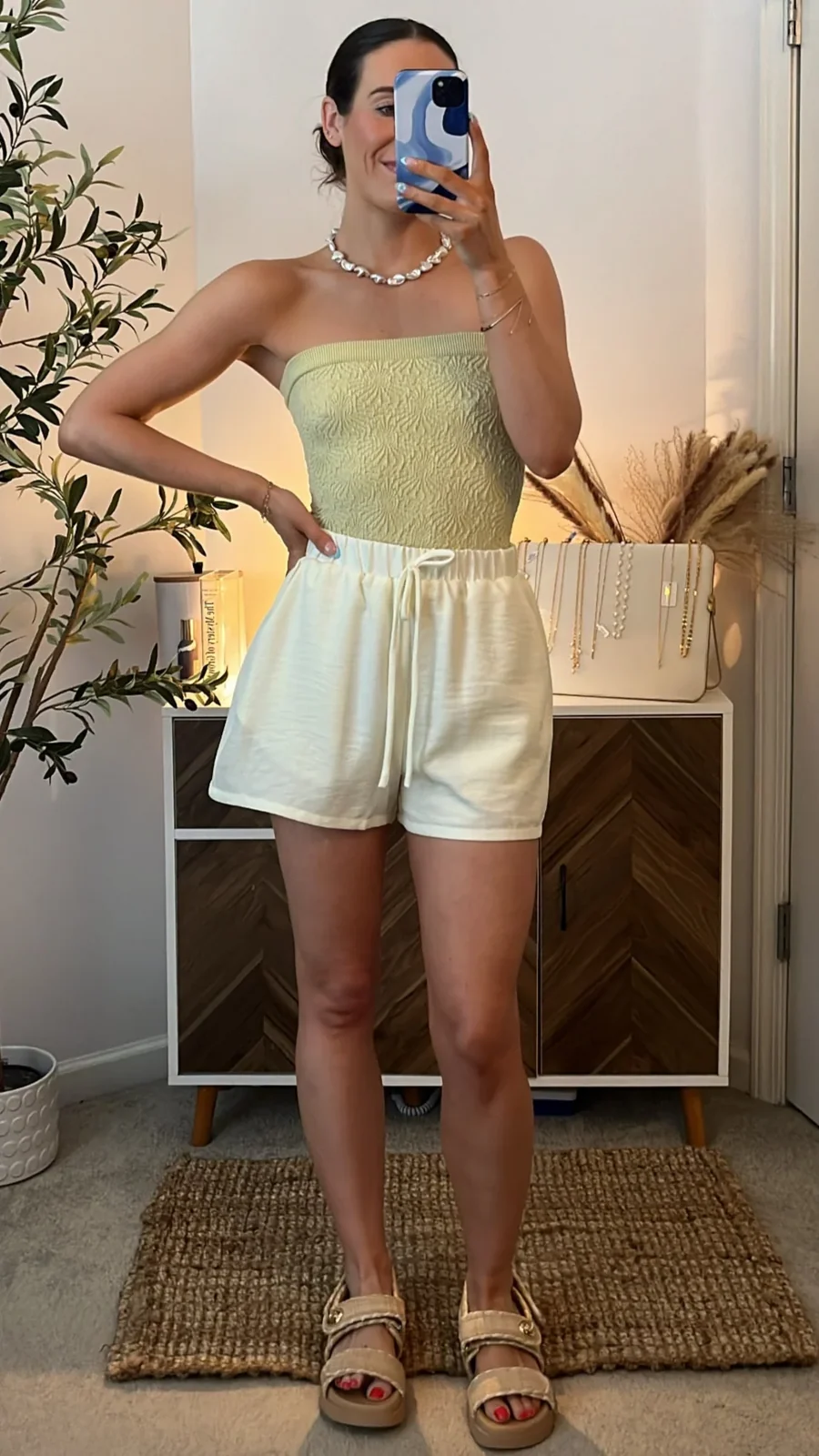
For example, a stretchy knit can offer a different kind of ease from a woven garment, but do not assume a particular fit without checking the product information. The Barefoot Bay Tube Top is described as knit, seamless, stretchy, and one size, with modal, nylon, and spandex listed as its materials. Those details are a starting point, not a substitute for considering your preferred coverage and fit. You can explore the tops collection and compare each item's listed features before choosing a companion piece.
Let care instructions settle the question
Texture is only part of deciding whether a garment fits your everyday routine. Before wearing or cleaning a new piece, read its care label and follow the instructions there. The garment care label is the final authority. Do not infer a washing method from the word “lace,” “satin,” “linen,” or from a fiber name alone; construction, finishing, and the garment as a whole all matter.
If the instructions are unclear, avoid improvising based on assumptions. Check the product information for any care details provided, and seek appropriate garment-care guidance when needed. After cleaning, follow the label’s directions for drying and storage as well. Keeping that final check in your routine helps you make a more informed choice about how often a dressier texture can fit into regular wear.
A simple way to put it together
Choose one texture you want to highlight, add a shape that feels comfortable for your plans, and use the remaining pieces to create balance. Look at the outfit from a little distance: is one fabric drawing all the attention, or do the surfaces work together? Adjust color, volume, or layering if the combination feels too formal or too busy. There is no single correct pairing, and a small change can shift the mood substantially.
Most of all, let the garment’s actual details guide your decision. Check the fit notes, material information, and care instructions rather than filling in gaps with assumptions. Lace, satin, and smooth textures can be part of an everyday wardrobe when the rest of the outfit feels natural to you—and when the garment’s care requirements make sense for your routine.