Getting dressed at home does not need to mean choosing between comfort and a sense of polish. A coordinated set, a clear color story, or one easy layer can make familiar pieces feel more considered without turning a quiet day into an occasion. The useful question is not whether an outfit looks elaborate, but whether its pieces work together and suit what you plan to do.
Start with a simple outfit formula
A repeatable formula takes some of the guesswork out of getting dressed. Try a matching top and bottom, a soft top with a structured-feeling skirt, or relaxed trousers with a clean, uncomplicated shirt. The goal is not to follow a strict uniform; it is to give your outfit one point of connection. That might be a shared color, a similar degree of ease, or a simple shape repeated from top to bottom.
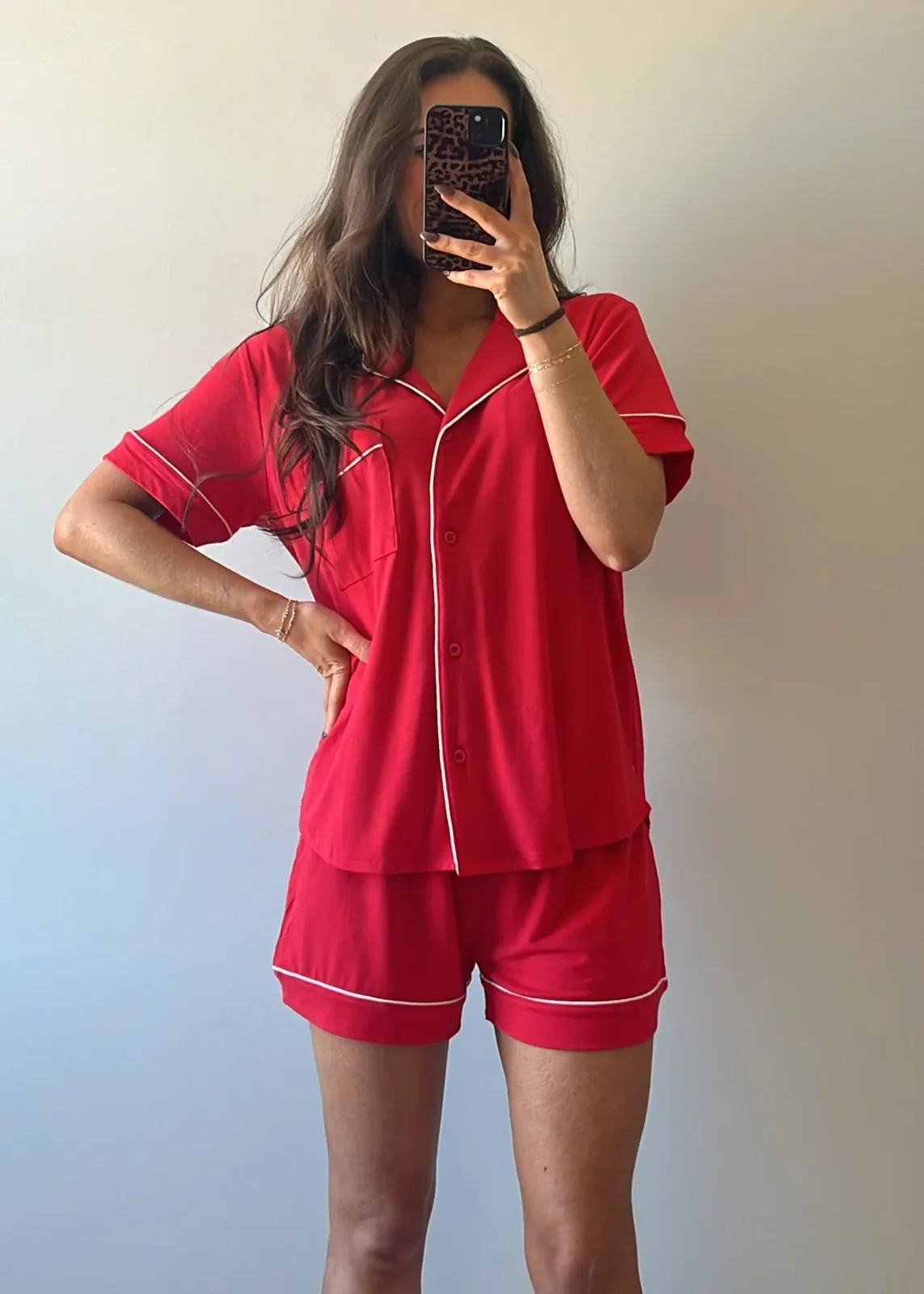
For a coordinated option, the Cabin Weekends Pajama Set is a two-piece relaxed-fit set with a button-up top and front pocket. Those details give the set a clear, matched look, while still keeping the outfit in pajama territory. Check the product details and size guidance before choosing a size, especially if you prefer more or less room through the fit.
Keep the formula flexible. If one piece is patterned or has a noticeable detail, let the other pieces stay visually quiet. If everything is simple, a tidy color combination can do the work. A reliable outfit formula is a starting point, not a rule that every day at home has to follow.
Use coordination without matching everything
Coordinated dressing can be as subtle as repeating one color in two places. A light neutral top with a deeper-toned bottom, for example, can look connected without being a matching set. Another option is to keep the shapes uncomplicated and let texture or fabric create the distinction. These small decisions help clothes read as an outfit rather than a collection of pieces grabbed separately.
When you do choose a set, wear it together for an easy answer, or separate the pieces if each works with clothes you already own. The Cabin Weekends set has a button-up top, so it can be worn buttoned or open over another top if that feels comfortable and suits the day. Treat that as a styling choice rather than an expectation: check the garment’s details and use your own judgment about how you like it to sit.
Color does not have to be complicated. Pick two shades you enjoy seeing together and repeat them in a few combinations across your wardrobe. If you are unsure about a particular item, compare its product photos and listed details with the colors and pieces you wear most. A small, familiar palette can make getting dressed simpler while leaving room for variety.
Choose proportions that feel easy
Comfort often comes down to how pieces sit together. A roomier top can pair well with a more defined bottom; a fuller bottom can feel balanced with a simpler top. These are visual starting points, not universal rules. At home, you may prefer a looser silhouette throughout, while on another day you may want one piece to feel more shaped. Try a combination, move around in it, and notice whether it suits the activities ahead.
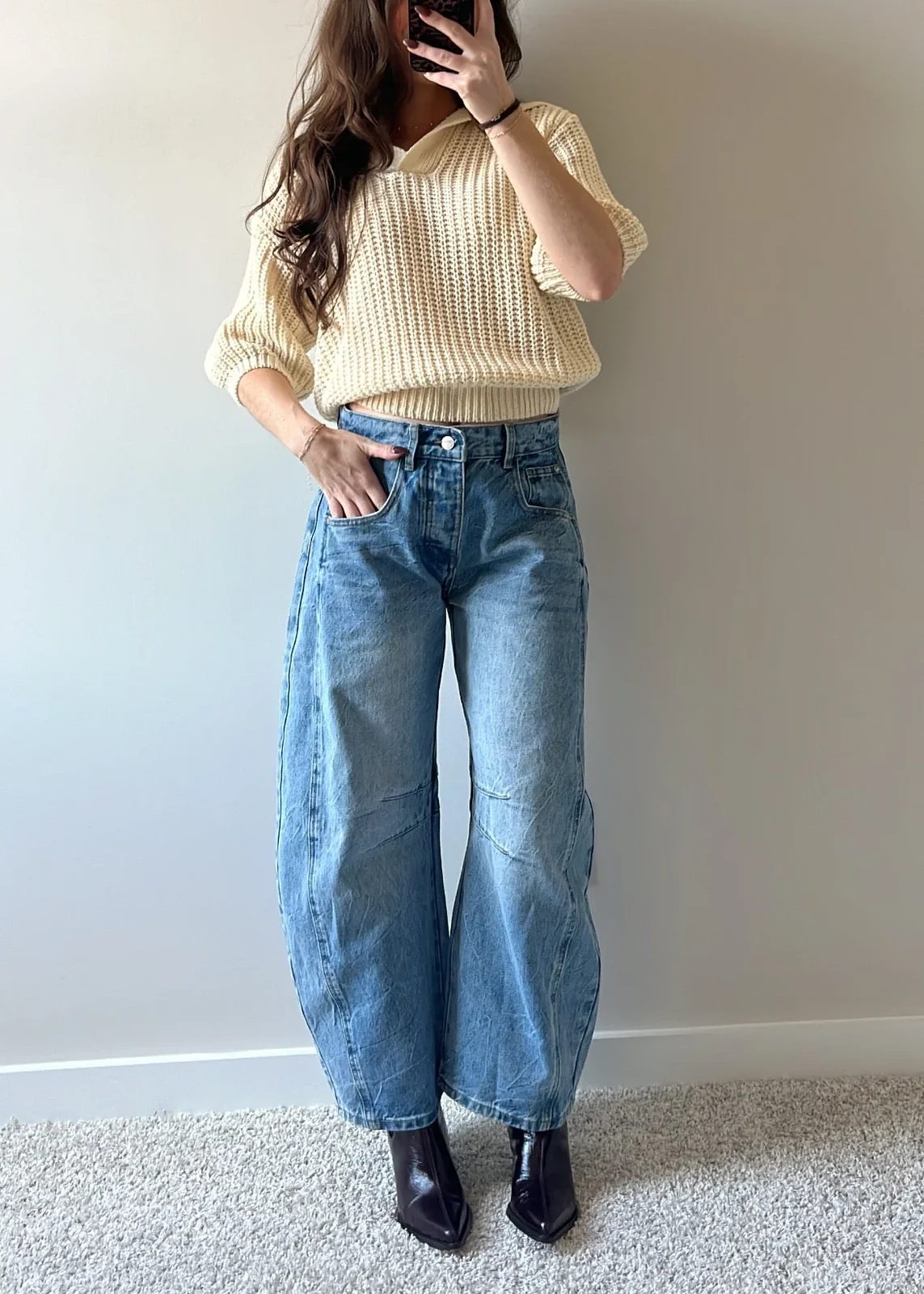
The Montana Dreams Barrel Jeans are described as slightly oversized, with a low waist and barrel-leg style. Those details can help you picture their proportions, but fit is personal, so review the product sizing information rather than assuming your usual preference will translate exactly. If you like a relaxed shape, consider how the jeans will sit with tops you already reach for.
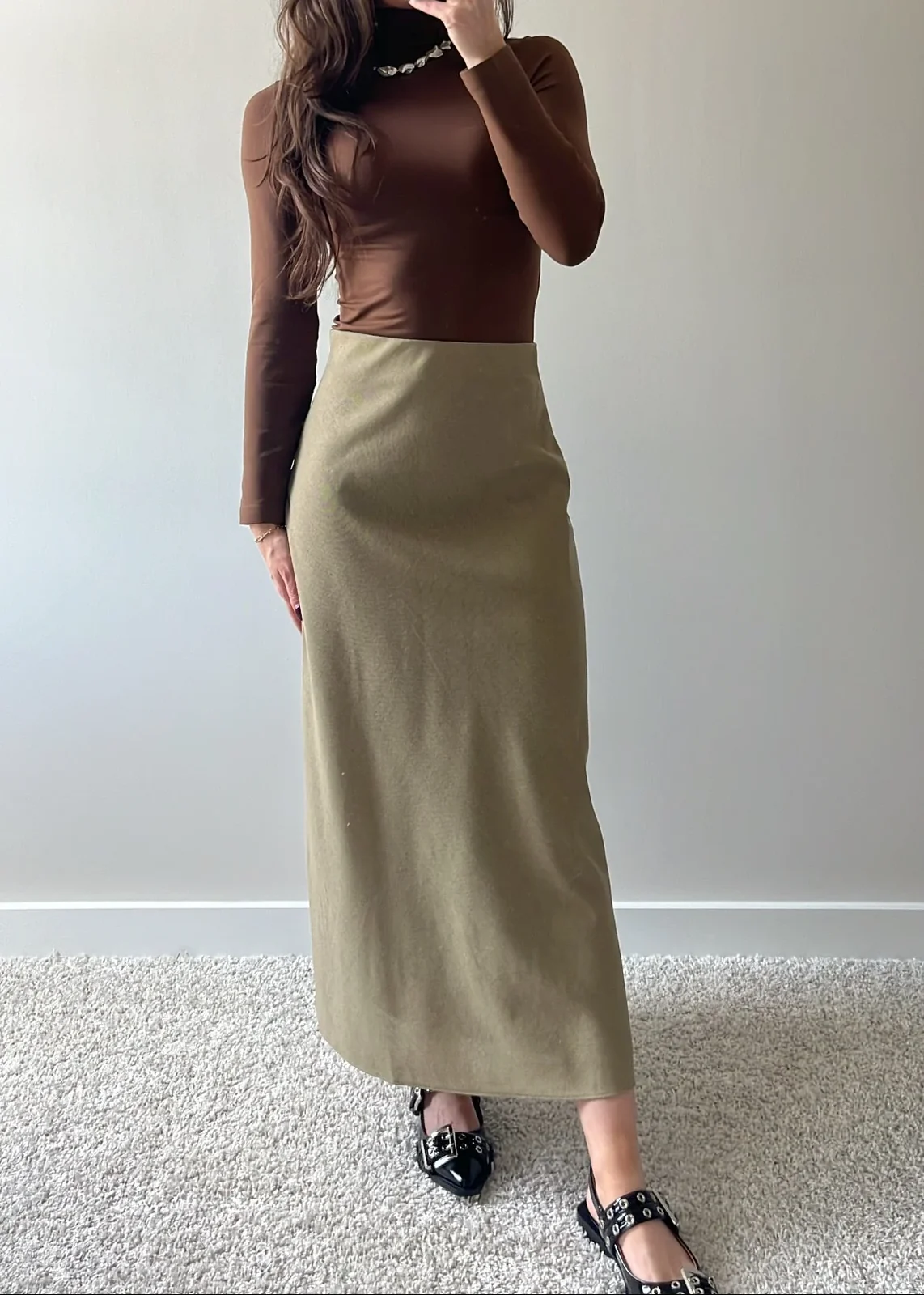
For a skirt outfit, the Olive Tree Skirt is described as high-waisted and midi length, with a hidden side zipper. A simple top can keep the overall look easy, while the skirt gives the outfit a distinct outline. Check the listed measurements or fit information if available, and choose based on how you prefer a waist and hem to feel when sitting as well as standing.
Make layers useful indoors
An indoor layer is most useful when it is easy to put on, easy to remove, and comfortable for the room you are in. Consider the actual day: a chilly morning, a sunny room, or a stretch of sitting at a desk may call for different choices. A light cardigan, an open shirt, or another layer already in your closet can add a sense of finish without requiring a full change of outfit.
Keep the layer in the same general color family as the base outfit if you want a calm, connected effect. For more contrast, use one deeper or brighter shade and leave the rest simple. Avoid choosing a layer only because it looks good while standing still; reach, sit, and move in it. If the sleeves or hem keep getting in the way, another option may make more sense for the task at hand.
For more ideas about choosing a layer that earns its place in an everyday wardrobe, see how to think about a light outer layer. The same practical approach works at home: consider where you will wear it, what it needs to fit over, and whether you will actually want to keep it on. The point is ease, not adding a layer for its own sake.
Build a small rotation from what you own
A useful home wardrobe does not need a long list of new pieces. Begin by identifying a few tops and bottoms that feel comfortable for the ways you spend time at home. Then make combinations: one top with two bottoms, or one bottom with a relaxed top and a more polished-looking one. If a piece only works with one other item, decide whether that pairing is enough for your routine before making it part of a shopping plan.
Browse the sets and loungewear collection when you want to compare coordinated options, or look through the bottoms collection for pieces to pair with tops you already own. Use product descriptions for specific construction, fabric, and fit information; when details are not listed, do not assume them. For any garment, its care label is the final authority on washing and handling.
It can help to keep a short mental checklist: Does this outfit feel comfortable for the day? Do the pieces look connected? Can I adjust a layer if the room changes? Those questions are more useful than chasing a single definition of polished. Repeating combinations you genuinely enjoy is a practical way to make home dressing feel considered without making it feel like work.
Keep the standard comfortable and personal
“Put together” does not have to mean formal, fitted, or styled for someone else. It can mean choosing clothes that feel right for your day and making one small decision that brings them together. A coordinated set may be the easiest option on a slow morning. On another day, a top and skirt or relaxed jeans may feel more suitable. Let the day guide the outfit rather than treating loungewear as a fixed uniform.
Pay attention to the details that matter to you: whether a waistband feels comfortable while sitting, whether a top is easy to move in, and whether a layer is pleasant to wear around the house. Product descriptions can clarify listed features and materials, but your own comfort preference is the best guide to what you will reach for. Check available sizing information, and follow the garment care label as the final authority.
Most of all, make the idea sustainable in the everyday sense: easy to repeat, easy to adjust, and based on pieces that already have a place in your wardrobe. A little coordination can bring a calm sense of intention to an ordinary morning, but comfort remains the point. Choose a formula that works for you, then give yourself permission to keep it simple.