A cabin getaway calls for clothing that can shift with the day: comfortable enough for a quiet morning indoors, but ready for a breezy walk or a seat outside after sunset. Instead of packing a separate outfit for every hour, choose a few pieces that layer well together. Start with a base you can wear on its own, add a knit for warmth, and bring an outer layer that works over both. Then include bottoms that feel comfortable through travel and downtime. Checking the forecast and the details on each garment before you pack helps keep your choices practical, without filling your weekend wardrobe with unnecessary extras.
Start with a wearable base layer
A good base layer gives you options when temperatures change. For a cabin weekend, think of a simple top that feels comfortable indoors and can sit smoothly beneath a sweater or jacket. A tee or lightweight long-sleeve shirt can work well, depending on the forecast and how warm you tend to feel. Choose a color that pairs with more than one item in your weekend wardrobe; that makes it easier to repeat a layer without repeating the whole outfit.
Before packing, check the garment’s fabric, fit, and care information rather than assuming that a familiar-looking top will behave a certain way. If you expect to spend time outside, consider how the base will feel beneath your knit and outerwear. The goal is not a technical outfit for every possible condition, but a comfortable first layer you can keep on as you move between the cabin and cooler air.
Choose a knit for indoor comfort and extra warmth
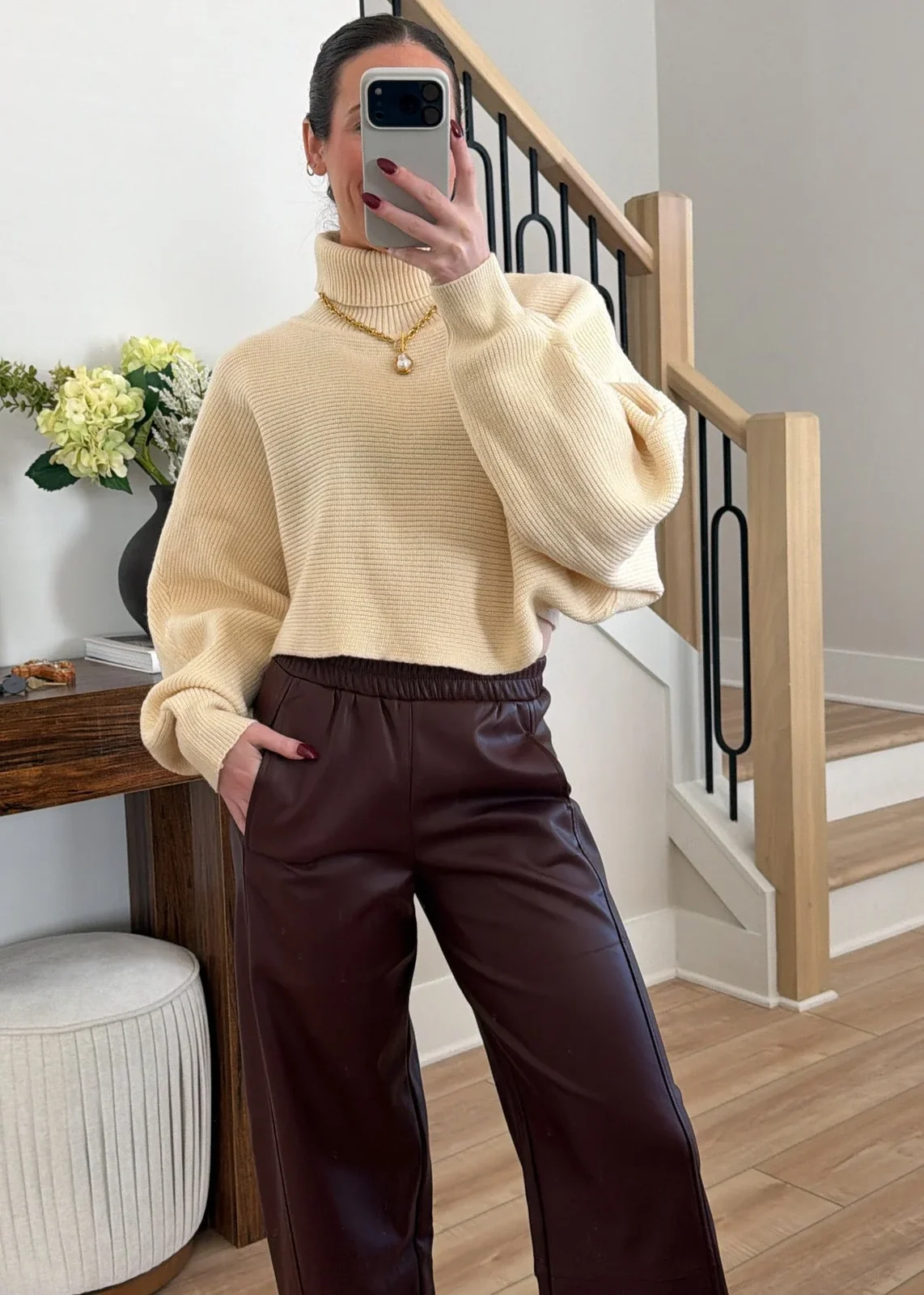
A sweater can serve as the main top during a relaxed afternoon and as a warming layer when the evening cools. The Lake Tahoe Turtleneck Sweater has a turtle neck, dolman sleeves, and a cropped style, according to its description. Those details make it worth considering alongside your planned base: check how its neckline and cropped length work with the tops and bottoms you intend to bring.
The listed materials are 40% nylon and 40% polyester; the description does not specify the remaining fiber content, so review the full product details if that information matters to you. Pack a knit that feels right for the weather you expect, rather than treating any sweater as a substitute for a forecast check. For more options to compare, browse the knitwear collection. Follow the garment care label as the final authority for cleaning and care.
Bring an outer layer that works over your base
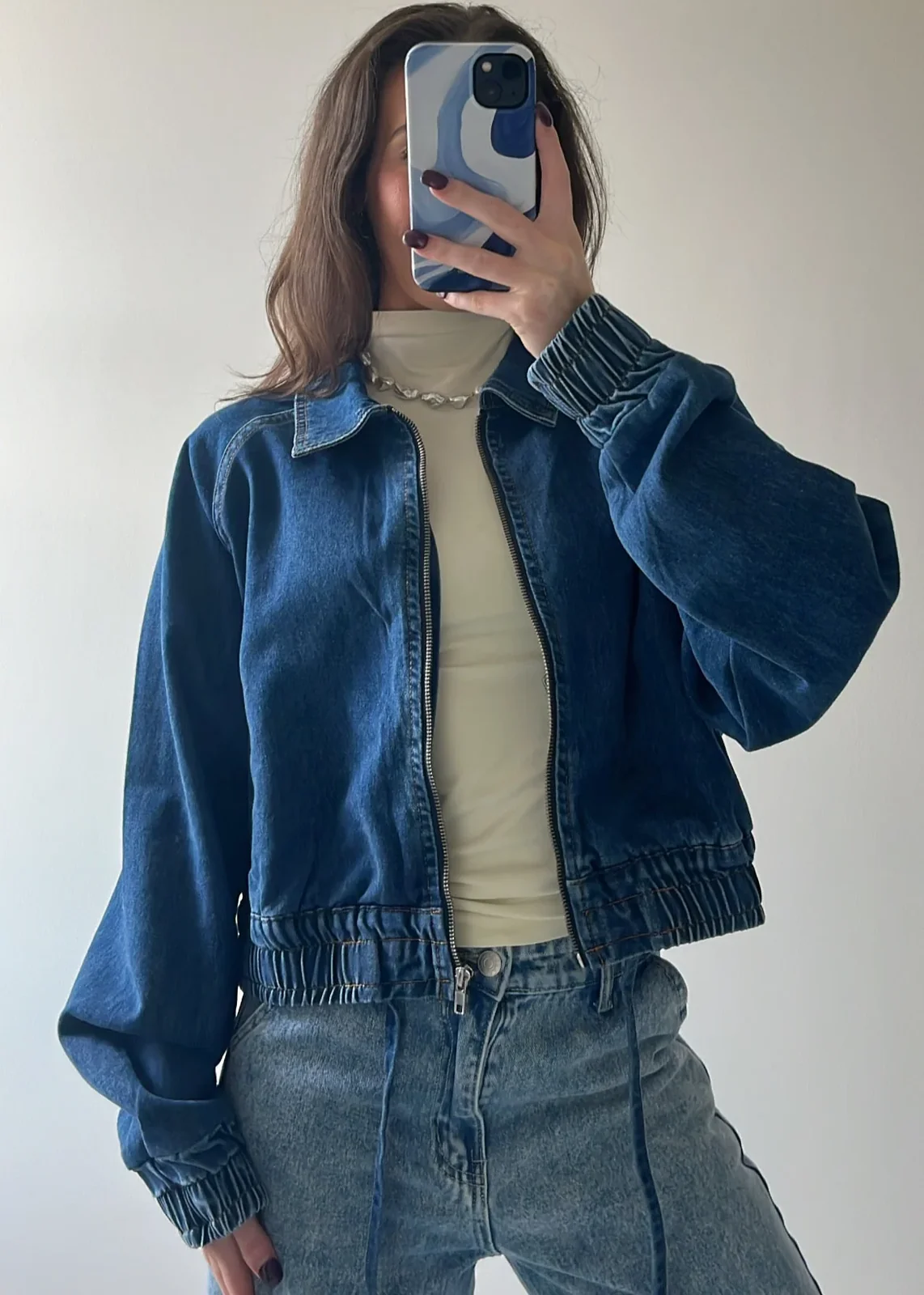
A useful outer layer should fit comfortably over the clothes you expect to wear beneath it. The Denim Blues Zip Up Jacket is described as medium-wash denim with a relaxed silhouette, a zip-front closure, elasticized hem and cuffs, and a slightly cropped fit. Its description specifically notes layering it over turtlenecks, dresses, or basic tees, which makes it a practical option to evaluate for a weekend with changing plans.
Try the jacket over your intended base and knit before packing, so you can check the combination for comfort and movement. A zip front lets you adjust how much of the underlying layer shows, while the hem and cuffs are details to consider when assessing the overall fit. The jacket is listed as 100% denim cotton. Check the outerwear collection if you want to compare other layering choices, and use the garment care label as the final authority on care.
Pack bottoms for travel and downtime
For a short getaway, bottoms earn their space when they work with more than one top. Choose a pair you can sit in comfortably during the drive, wear around the cabin, and style with both your base layer and knit. Before you pack, check the expected weather and think about whether your plans call for a lighter option, a warmer one, or a change after travel. One versatile pair may be enough for a brief trip; a second can help if you want a clean change or expect different activities.
The Piazza Trousers are described as wide-leg, with soft pleating, a high rise, a structured waistband, and a front zipper. Their material is listed as 65% rayon and 35% polyester, and the product details say they fit true to size and run long. Review those details against your own preferences and planned outfits rather than assuming the fit will suit everyone. See the Piazza Trousers details, and follow the garment care label as the final authority.
Build outfits from a small set of pieces
Before putting clothes into your suitcase, make a few combinations on paper or on your bed. Pair your base with the knit, then consider whether the jacket can go over each version. Add your chosen bottoms to both combinations and see whether the pieces coordinate without extra substitutions. This quick check can reveal that one top is doing the work of two, or that a layer only works with a single outfit. It also helps you spot a missing practical piece before departure.
Keep the plan grounded in your actual itinerary: a long drive, a quiet evening inside, and a short walk outside can call for different levels of warmth. Avoid packing a special outfit for an activity you may not do. If a garment needs a particular layer underneath or feels awkward when you sit, reconsider it before it takes up room. A compact set of compatible clothes is easier to adjust than several unrelated looks, and gives you a clear starting point when the evening temperature drops.
Make a final check before you leave
Lay out the clothes you plan to wear while traveling, then check that your remaining pieces cover the cooler part of the day. Confirm that the sweater fits over your base, the jacket layers comfortably over the sweater, and your bottoms work with the tops you selected. Look over product details for any fabric, fit, or care information you still need; don’t infer care instructions from a fiber name. The garment care label is the final authority for each item.
Finally, compare your clothing plan with the forecast and the activities you actually expect to do. Add a warmer layer if conditions call for it, or remove a duplicate piece if every outfit already has a workable combination. Keeping the plan simple does not mean ignoring comfort; it means choosing layers you can adjust instead of packing for every imagined scenario. With a base, a knit, a practical outer layer, and compatible bottoms, you have a flexible starting point for a cabin weekend and its cool evenings.